
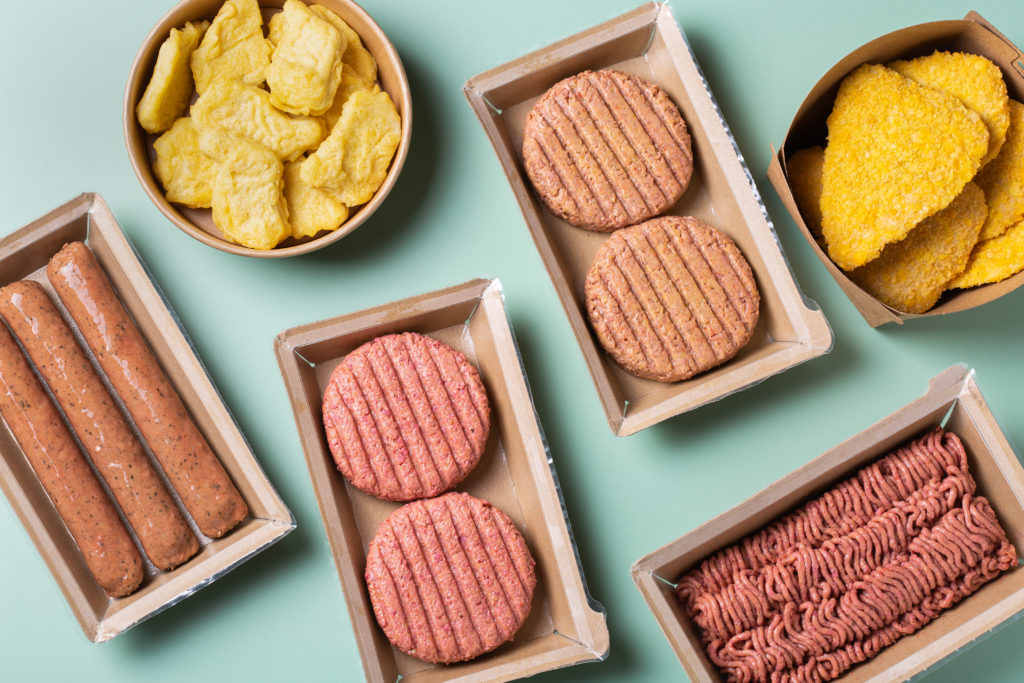
Plant-based meat has been in the spotlight in recent years thanks to its professed health, safety and environmental benefits over its animal-based counterpart. But several researchers and experts have brought to light some food safety concerns of plant-based meat, and why it must be treated differently than that of animal protein.
While public discourse tends to focus on the notable achievements in plant-based meat, there is much less discussion surrounding the inherent safety challenges it must overcome. Traditional meat production faces a wide array of safety concerns, from slaughterhouse sanitation to foodborne illnesses and much more. But just because plant-based meat production doesn’t involve slaughterhouses or mass production lines, doesn’t mean it is immune from safety concerns.
Plant-based meat is no longer a niche category, and many meat-eaters, flexitarians, vegetarians and vegans regularly consume it. This is why it is important for plant-based meat makers to ensure their products are both safe for consumption and transparent about ingredients.
Ultra-Processed
According to the Food and Agriculture Organization’s (FAO) NOVA food classification system, plant-based meats are considered ultra-processed foods. Unlike traditional meat, plant-based meats often have complicated formulations and additives in order to recreate the taste and texture of the real thing. While most ultra-processed foods are safe for consumption, they are not necessarily considered healthy.
Many of the processes involved in the creation of plant-based meat remain a mystery to consumers, many of whom are looking for healthier alternatives to meat. Those who seek shorter ingredient lists and cleaner labels may object to plant-based meat due to the many additives and genetically modified proteins that tend to be crucial components of its formulation.
Related: Is Cell-Based Fish the Next Big Food Innovation?
Subject to Microbial Growth
Because of their near-neutral pH and high protein and moisture content, plant-based meats are susceptible to microbial growth. In a study assessing microbial communities in vegetarian, vegan, and insect imitations of meat products, bacterial counts were relatively low but wide-ranging.
The authors concluded that the relatively high levels of the bacteria enterococci indicated that food safety was a concern for these products due to potential infections, antibiotic resistance and gene transfer associated with the bacteria E. faecium.
In another study evaluating the microbial load of a plant-based meats, the researchers concluded the products they studied were susceptible to post-processing contamination. “The storage and handling of these products should mimic that of raw meats,” the authors wrote. Despite the longer shelf-life thanks to the high temperature and pressure process of extrusion, plant-based meats are still prone to microbial growth, both during and after processing.
Allergens
Soybean and wheat, ingredients predominantly found in plant-based meats, are two of the “big eight” allergenic foods identified by the US Food and Drug Administration (FDA). A 2016 study also associated allergenicity with legume crops such as chickpeas and peas, other ingredients often found in plant-based meats.
Since most plant-based meats contain concentrated protein isolates, consumers may receive much higher doses of potential allergens. For example, the Allergen Bureau indicated a possible connection between pea protein and peanut allergies. Consumers with allergies should pay close attention to the labels and the source of the plant proteins in plant-based meats.
FDA Regulation
American regulatory agencies governing plant-based meats and animal-based meats differ, with the FDA regulating the former and the US Department of Agriculture (USDA) regulating the latter. The FDA recommends a minimum cooking temperature of 135 degrees F, while the USDA endorses a minimum cooking temperature of 160 degrees F for beef products.
This could lead to confusion or discrepancies among consumers, with some treating plant-based meats like real meat. It is up to plant-based meat producers to educate consumers on the best practices for cooking their protein.
While it has come along way since its inception, there are a number of factors to consider when it comes to plant-based meat safety, including:
- Contaminants
- Allergens
- Biological hazards (outside of the food supply chain)
- Physical hazards (potential for foreign materials from processing)
- Dietary and nutritional factors










Join or login to leave a comment
JOIN LOGIN