

As clinical care for metabolic dysfunction-associated steatohepatitis (MASH) continues to evolve, recent advances in patient care are shaping how clinical research and trial execution are approached. New therapeutic options and diagnostic tools are influencing how clinicians manage patients in everyday practice and how MASH studies are designed and carried out.
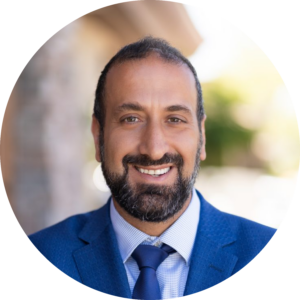
Chief Medical Officer
Summit Clinical Research
In this Xtalks Spotlight interview, Dr. Naim Alkhouri, MD, FAASLD, Chief Medical Officer at Summit Clinical Research, discusses how progress in clinical practice is affecting the design, feasibility and interpretation of MASH studies.
Drawing on his experience in hepatology and clinical research, Dr. Alkhouri addresses gaps between protocol-driven trials and real-world liver clinics, the role of patient selection in trial outcomes and the operational considerations involved in running complex MASH studies.
Clinical Advances in MASH Care Are Changing the Research Baseline
According to Dr. Alkhouri, recent FDA approvals have changed expectations in MASH care and, in turn, how clinical research is conducted. After years with limited treatment options, approved therapies are now part of everyday clinical practice, which is influencing how patients and investigators think about participating in clinical trials.
“We now have two FDA-approved medications,” he said. He pointed to the approval of resmetirom in 2024, followed by semaglutide in 2025, both indicated for adults with non-cirrhotic MASH and moderate to advanced fibrosis. With treatment options now available outside of trials, conversations around patient management and study participation are evolving.
Alongside therapeutic progress, advances in disease assessment are also beginning to influence how MASH studies are designed. The development of non-invasive diagnostic tools is prompting researchers to reconsider trial endpoints that have traditionally relied on liver biopsy and histology.
“Our goal in the next couple of years is to potentially utilize these non-invasive tests as the primary endpoint in clinical trials to replace the need for liver biopsy and histology as the endpoint,” Dr. Alkhouri explained.
The Gap Between Trial Protocols and Real-World Clinics
Despite progress in the field, Dr. Alkhouri described a clear gap between clinical trial protocols and the realities of clinical care for patients with liver disease. Many patients commonly seen in routine practice, including those with uncontrolled type 2 diabetes, advanced kidney disease, HIV or type 1 diabetes, are often excluded from MASH trials.
“In clinical trials, we are not able to include sometimes the sickest patients that may benefit actually from the medications the most,” he noted. While these exclusions are often necessary to reduce confounding factors, they can leave clinicians with limited data when treating patients who fall outside typical trial criteria.
As Dr. Alkhouri explained, “When we encounter these patients, sometimes we don’t have the data to support the efficacy and safety of a new medication in these specific populations.”
Balancing Safety, Efficacy and Disease Stage in MASH Trial Enrollment
After describing who is often excluded from MASH trials, Dr. Alkhouri explained why these exclusion criteria exist in the first place.
Patient selection, Dr. Alkhouri said, is central to whether MASH studies succeed. Safety considerations remain a primary concern, particularly when enrolling patients who may be at higher risk for adverse events unrelated to the investigational therapy.
“We want to make sure that we don’t include patients that are too sick,” he said, adding that severe comorbidities can complicate both safety reporting and interpretation of trial results.
In some cases, he added, patients with very advanced disease may be better served by other clinical options, such as liver transplantation, rather than participation in a drug trial.
Dr. Alkhouri emphasized the importance of aligning patient characteristics with a drug’s mechanism of action.
“We need to select the patient phenotype that is most likely to benefit from the drug based on the mechanism of action of the medication,” he said. For metabolic therapies, this may involve enriching trials for patients with higher metabolic disease burden, such as those with type 2 diabetes, dyslipidemia, obesity or combinations of these risk factors, to ensure the therapy is being evaluated in a population where it has the highest chance of working.
Balancing Trial Rigor With Real-World Feasibility in MASH Clinical Trials
Designing MASH trials that are both scientifically sound and practical to run requires careful balance. Dr. Alkhouri stressed the importance of developing protocols that aim to strike a balance between being inclusive and enrolling patients who reflect the real-world population, while still maintaining the selectivity required to ensure patient safety and interpretability of results.
“Our goal is to have this balance between being inclusive and actually having patients in the clinical trial that look like the real-world patient population,” he said. At the same time, trial designers must account for safety and efficacy considerations that require selectivity.
Dr. Alkhouri highlighted the role of experience in protocol design, noting that collaboration between investigators and pharmaceutical sponsors can help determine whether a drug is making a meaningful impact or whether development should move in a different direction.
Infrastructure and Experience Drive Trial Execution
In diseases like MASH, where screen failure rates are high, and trials can last for many years, organizational infrastructure plays an important role in trial execution. Dr. Alkhouri pointed to experienced site networks as essential for efficient startup, patient identification and long-term study management.
“Having a network of sites with experience that can expedite the startup process and make sure that the sites are up and running in terms of doing the budgets and the contracts and everything it takes to have the study activated at the site, that is key,” he said, noting the importance of patient databases that allow sites to quickly identify individuals with documented disease severity.
He also emphasized the value of investigator experience in managing adverse events and supporting long-term patient retention. “Retention in these clinical trials is also key because some of these MASH clinical trials can go for five, six, sometimes seven years,” Dr. Alkhouri said. Keeping patients engaged over time is critical to reaching meaningful endpoints and drawing clear conclusions from the data.
Dr. Alkhouri described trial execution as an end-to-end process. “From answering that feasibility form to see if your site will be a good fit for the trial, to the startup process, to enrolling the patients in a timely manner, managing them in the clinical trial, retaining them in the trial and getting to the main endpoints.”
Where MASH Clinical Trials Are Headed
Reflecting on the pace of change in the field, Dr. Alkhouri emphasized how far MASH research has come over the past decade. “I think our field is changing very quickly,” Dr. Alkhouri said. “As a result of all the MASH clinical trials that we participated in in the last decade, we now have two FDA-approved medications.”
Dr. Alkhouri also noted that unmet needs remain. In particular, he pointed to the need for continued drug development focused on improving efficacy, reversing disease progression and changing the natural history of MASH.
To move the field forward, Dr. Alkhouri underscored the importance of continued innovation and ongoing enrollment across active clinical trials, including studies evaluating new mechanisms of action. He noted that several investigational therapies are already in late-stage development, reflecting both progress and the need for sustained execution.
He also highlighted the long timelines associated with many MASH trials. While some studies are still enrolling patients, others have completed enrollment and continue long-term follow-up, making patient retention essential to reaching primary endpoints and drawing clear conclusions.
Dr. Alkhouri emphasized that experienced sites and coordinated site networks play a central role in supporting long-term trial execution. Such infrastructure, he noted, enables efficient enrollment, appropriate patient management and sustained follow-up.
In addition to sponsor-led trials, Dr. Alkhouri pointed to the value of investigator-initiated studies, particularly for addressing questions in patient populations that are often excluded from larger registrational programs.
Finally, he reiterated the importance of improving trial feasibility by rethinking the field’s reliance on invasive procedures. “We need to move away from invasive liver biopsies as endpoints, at least for the interim analysis that we do in MASH trials, and hopefully utilize non-invasive tests to help facilitate enrollment quickly and avoid the screen failures related to liver biopsy,” he concluded.
This article was created in collaboration with the sponsoring company and the Xtalks editorial team.




Join or login to leave a comment
JOIN LOGIN