

Four years after a rejection and a buyout, the FDA has granted accelerated approval to Loargys (pegzilarginase-nbln) for the treatment of arginase 1 deficiency (ARG1-D), an ultrarare and progressive metabolic disorder.
The approval was granted to Sweden-based Immedica Pharma. Loargys is indicated for the treatment of hyperargininemia in adult and pediatric patients aged two years and older with ARG1-D, to be used alongside dietary protein restriction

Related: Rare Disease Day 2026: From Breakthrough Therapies to a Brighter Future
The decision comes after the FDA flagged significant issues across efficacy, dosing, safety and labeling in a complete response letter (CRL) issued last August.
ARG1-D is a urea cycle disorder characterized by elevated levels of the amino acid arginine in the blood, which can lead to severe neurological impairment, including spasticity, seizures and developmental delays.
In the US, ARG1-D affects an estimated 250 people. The current standard of care focuses mainly on symptom management, including dietary protein restriction, arginine-free amino acid supplementation and nitrogen scavenging agents if needed.
Loargys is a recombinant human arginase-1 enzyme designed to directly reduce toxic arginine levels, the underlying driver of disease progression, rather than simply managing symptoms.
The once-weekly injection is the first and only approved treatment shown to lower plasma arginine in patients with ARG1-D.
The approval follows an earlier setback four years ago, when the FDA issued a refusal-to-file letter for pegzilarginase in 2022 to Texas-based Aeglea BioTherapeutics, citing application deficiencies. A year later, Aeglea sold the drug to Immedica for $15 million upfront plus up to $100 million in milestones.
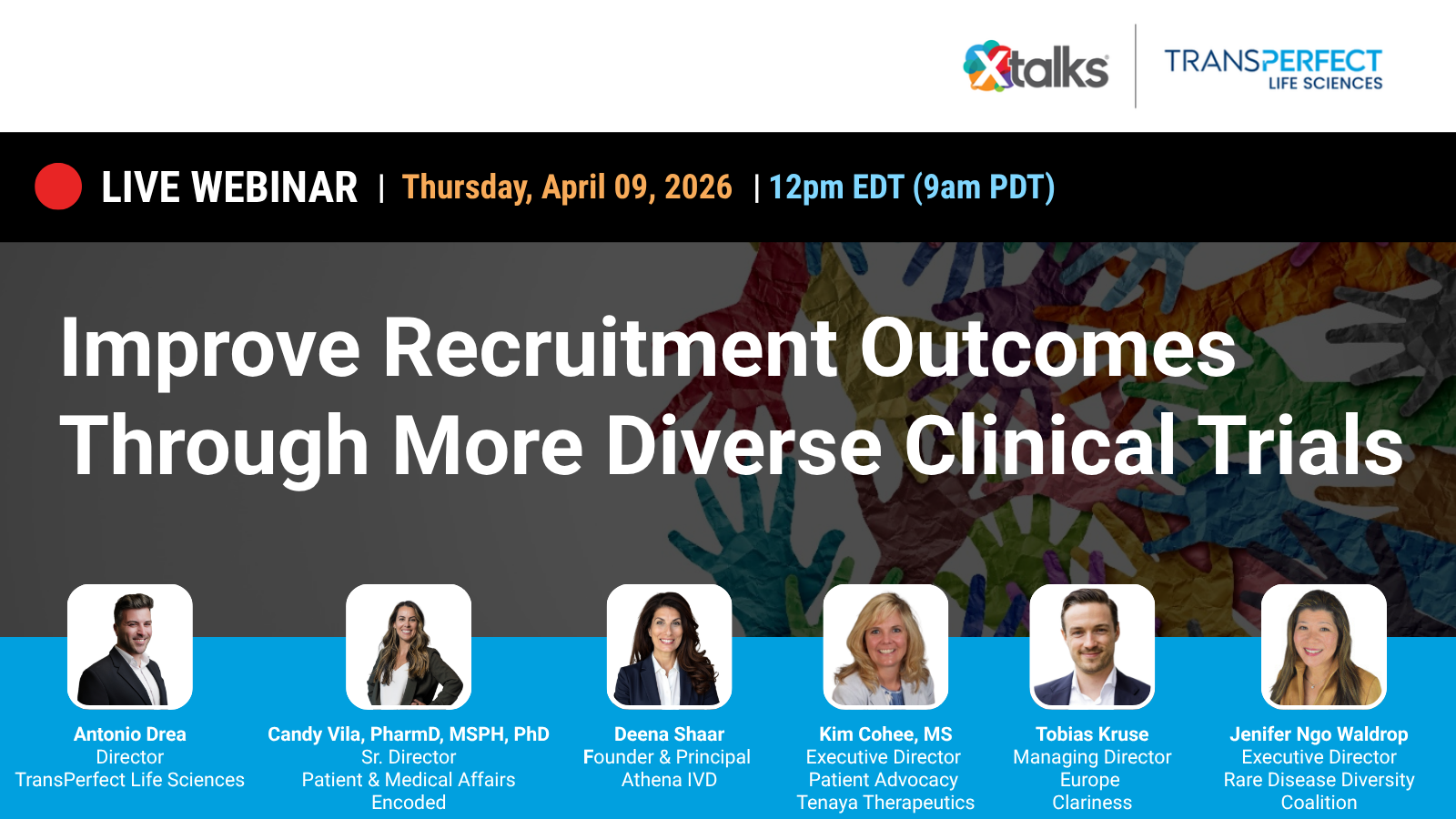
Improve Recruitment Outcomes Through More Diverse Clinical Trials
In clinical trials, pegzilarginase reduced plasma arginine levels by about 80% versus placebo, but its impact on clinical outcomes remained uncertain, with mobility improvements not reaching statistical significance. Immedica’s approval relied on these data along with additional long-term results.
The FDA’s decision was based on those results and additional results from the Phase III PEACE trial, where pegzilarginase significantly reduced plasma arginine levels compared to placebo at 24 weeks.
Because ARG1-D affects only a small patient population, the therapy was approved under the FDA’s accelerated approval pathway, which allows for earlier approval based on surrogate endpoints — in this case, reduction of plasma arginine. Continued approval is contingent on confirmatory clinical benefit in post-marketing studies.
“Today’s FDA accelerated approval of Loargys is an important milestone for Immedica and for patients and families affected by arginase 1 deficiency in the US,” said Anders Edvell, CEO of Immedica. “This outcome is the result of collaborative efforts across the entire ARG1-D community, including patients, advocacy groups, researchers and clinicians. We are proud to be able to deliver a treatment option for patients and families who have long awaited progress.”
The therapy is expected to become available in the US in 2026. Immedica has not publicly disclosed the pricing for Loargys yet.











Join or login to leave a comment
JOIN LOGIN