
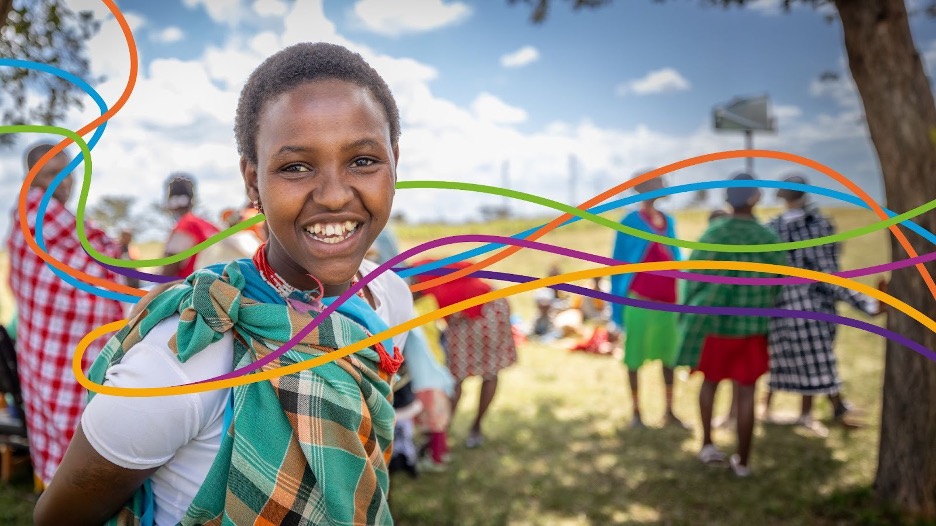
World Health Day 2026 is on April 7, a day that commemorates the founding of the World Health Organization (WHO) in 1948 and serves as a platform to spotlight urgent health priorities shaping our world today.
The global campaign highlights issues such as universal health coverage, mental health and environmental health with an overall aim to improve global health.
The theme of World Health Day 2026 is “Together for Health, Stand for Science,” which highlights the importance of global unity in fostering robust, equitable healthcare for all, and the role of science in driving innovations in healthcare.

This World Health Day 2026, the WHO says it is uniting and mobilizing the world under the theme “Together for science” to highlight the role of science-led innovations in improving health, with special focus on One Health — the interconnected and coordinated health of humans, plants, animals and the environment.
For this year’s theme, the World Health Organization has issued a series of calls to action, including one urging stakeholders across sectors to work together to advance public health through science: “We call on governments, scientists, health workers, partners and the public to stand with science to protect lives, rebuild trust and secure a healthier future.”
It also has a specific “Stand with Science” call that encourages people to:
Choose evidence. Trust facts. Support science-led health, for people, animals and the planet.
The 2026 campaign includes two global meetings: the international One Health Summit (April 5-7), hosted by WHO and the Government of France under the French G7 Presidency; and the inaugural Global Forum of WHO Collaborating Centres (April 7-9), which will bring together scientific institutions from over 80 countries.
The WHO says that, “these events form the largest scientific network ever convened around a United Nations agency, underscoring how science-driven partnerships can build a healthier, safer future for all.”
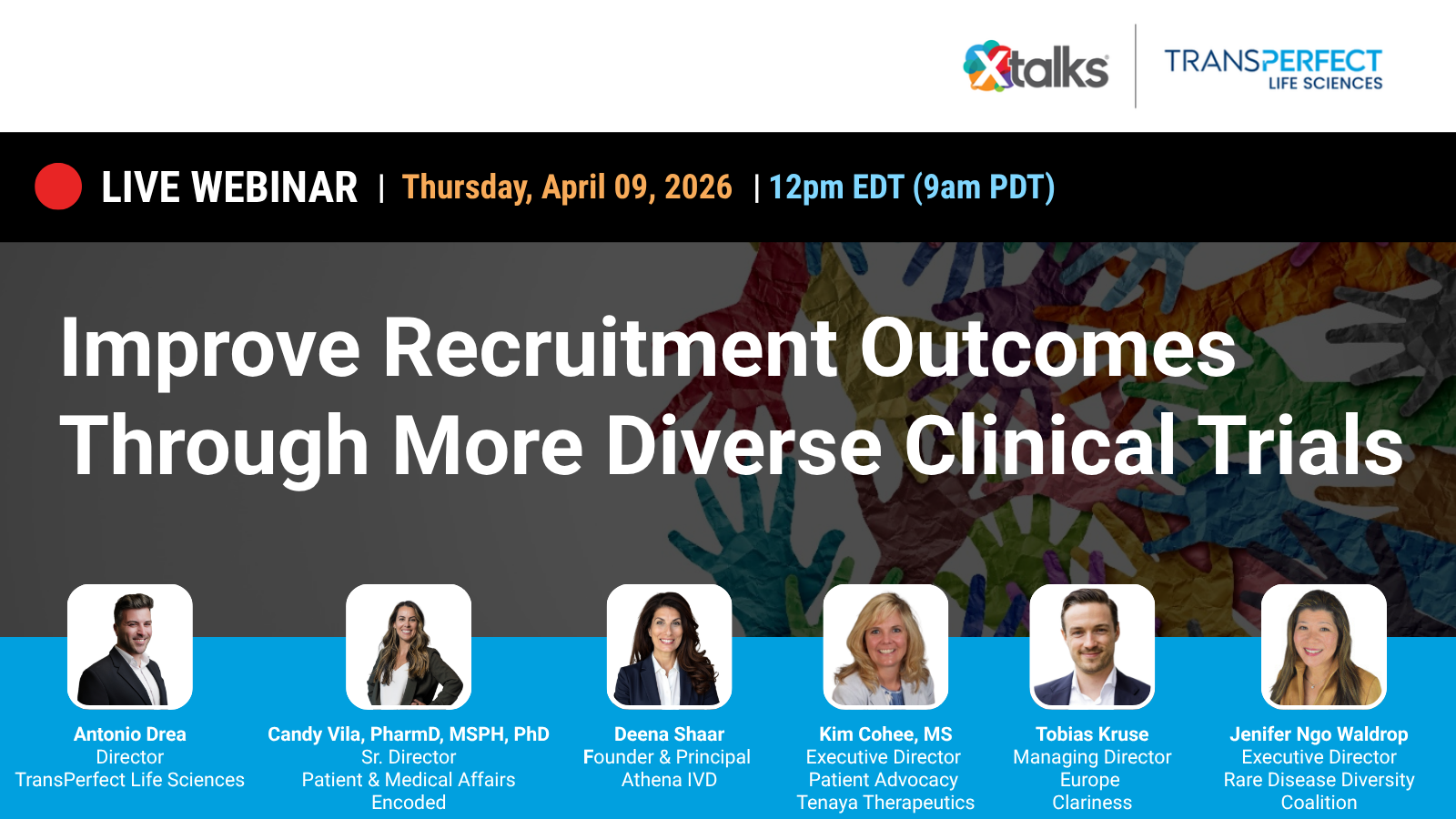
Improve Recruitment Outcomes Through More Diverse Clinical Trials
Health Inequalities Persist
Globally, access to healthcare remains deeply unequal and closely tied to socioeconomic status.
According to the WHO, nearly half of the world’s population still lacks access to essential health services and an estimated 930 million people are pushed into or toward poverty each year due to out-of-pocket healthcare costs.
In many low-income countries, more than 40% of health spending comes directly from households, forcing difficult trade-offs between care and basic needs.
These disparities are not just between countries but within them: people with lower incomes or education levels are significantly less likely to access care, more likely to delay treatment and often experience worse health outcomes as a result.
Differences in life expectancy can span decades within the same country, and globally, people in the lowest-income settings can live up to 30 years less than those in the highest income brackets. Children in low-income countries are far more likely to die before the age of five, and even in high-income nations, life expectancy can vary by five to 10 years between wealthier and poorer communities.
These gaps reflect the broader impact of the social determinants of health, which include income, education, housing and environment, that continue to drive inequities in who gets access to care and who does not.

Health & Science in Action for World Health Day 2026: Scientific Innovations
According to the WHO, more than 150 million lives have been saved by vaccines since 1974. That is health and science in action.
As part of standing with science, the agency also stresses that health decisions should always be guided by evidence. By relying on trusted, science-based sources, people can protect their health, prevent disease and seek timely treatment and recovery, it says.
“Science isn’t abstract — it shapes the everyday choices that safeguard you, your family and your community.”
Scientific innovation is rapidly transforming how drugs are discovered, developed and brought to patients.
From mRNA vaccines to AI-powered diagnostics, science continues to push the boundaries of what’s possible in healthcare. But innovation without access risks widening the very gaps it aims to close.
Technologies like CRISPR gene editing and mRNA platforms, brought to global prominence during the COVID-19 pandemic, are continuing to reshape pipelines across oncology, rare diseases and infectious diseases.
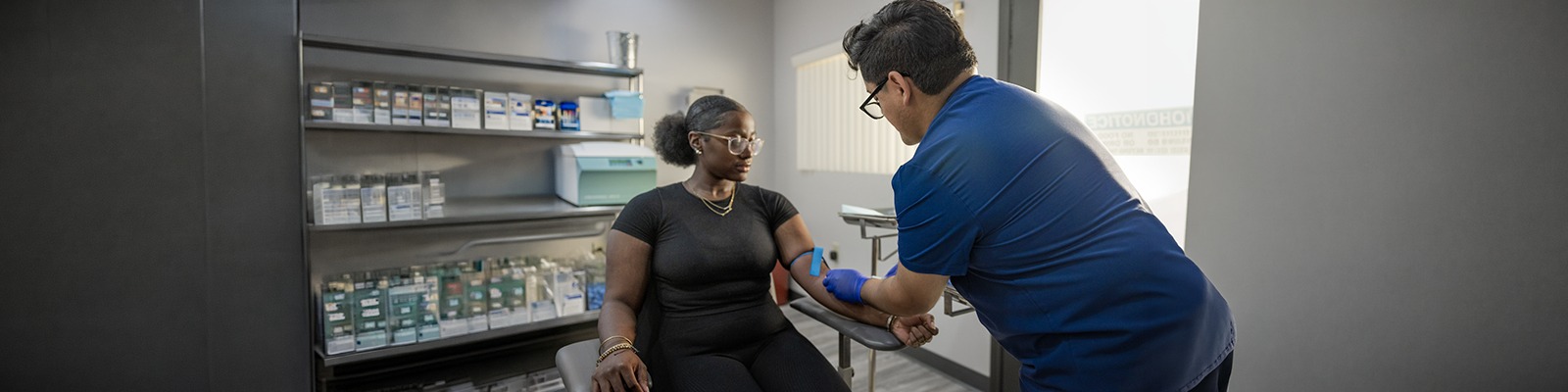
Clinical trials are also evolving, becoming more efficient and patient-centric through digital innovation. Decentralized clinical trials (DCTs), which use telemedicine, wearable devices and remote monitoring, have grown significantly, especially since COVID-19, helping to improve patient recruitment and retention. Roughly 70% to 80% of clinical trials experience delays due to recruitment challenges, but digital tools are helping to close this gap by expanding access to more diverse populations.
In addition, adaptive trial designs and real-world evidence are increasingly being used to streamline regulatory pathways, potentially reducing trial timelines and costs. Together, these innovations are not only speeding up drug development but also reshaping who can participate in, and ultimately benefit from, modern medicine.
On World Health Day 2026, there is a renewed call to ensure that breakthroughs are not just cutting edge, but also inclusive. That means strengthening global supply chains, supporting local manufacturing and prioritizing affordability, especially in low- and middle-income countries.
Related: Colorectal Cancer Awareness Month 2026: Rising in the Young, Falling in Older Adults
Health and Scientific Innovation in an Unequal World
While scientific innovation has transformed medicine, access remains uneven. Billions of people worldwide still lack essential health services. Preventable diseases continue to claim lives, and disparities persist both between and within countries.
World Health Day 2026 brings attention to these inequities, urging governments and institutions to invest in resilient health systems.
It also highlights the importance of addressing the social determinants of health, including income, education, housing and systemic inequality, which often play a greater role in health outcomes than medical care alone.
Public health is a shared global effort. Governments, researchers, industry leaders and communities all have a role to play. Whether it’s advocating for better policies, supporting local health initiatives or simply staying informed, every action contributes to a healthier world.






Join or login to leave a comment
JOIN LOGIN