

World Sleep Day 2026 will be observed on Friday, March 13, with this year’s theme, “Sleep Well, Live Better.” Organized by the World Sleep Society, the day emphasizes healthy sleep as a foundation for overall well-being.
Despite growing awareness, sleep disorders remain common and often go undiagnosed. Lack of sleep can affect mood, memory and judgment. Over time, it has been linked to conditions such as depression and stroke.
Below, we examine the importance of sleep and recent developments in treating common sleep disorders.

The Importance of Sleep
Sleep supports many biological processes, including cognitive function, metabolic regulation and immune activity. When sleep is disrupted or insufficient, these processes can suffer, potentially leading to long-term health issues.
Data from the US National Survey of Children’s Health (2016 to 2018) found that 34.9% of infants, children and adolescents aged four months to 17 years did not get enough sleep for their age. Modern habits are also contributing to sleep disruption. A 2025 report from the Korean Sleep Research Society found that adults in South Korea averaged five hours and 25 minutes of sleep per night, well below the recommended seven to nine hours for adults, with nearly 70% of respondents reporting smartphone use until bedtime.
One of the most common sleep disorders is obstructive sleep apnea (OSA). In the US, sleep apnea is widely underdiagnosed. Left untreated, the condition may lead to cardiovascular and metabolic complications.
OSA occurs when breathing repeatedly stops during sleep because of airway blockage or disrupted breathing signals. This can fragment sleep and cause excessive daytime fatigue. Continuous positive airway pressure (CPAP) therapy is among the most commonly prescribed treatments and has proven effective for many patients when used regularly.
Other neurological sleep-wake disorders can also significantly affect daily life. Conditions such as narcolepsy and idiopathic hypersomnia are characterized by excessive daytime sleepiness and disruptions in the body’s normal sleep-wake cycle.
Narcolepsy type 1 results from a loss of orexin, a neuropeptide produced in the hypothalamus that helps regulate wakefulness. The lack of orexin signaling can cause excessive daytime sleepiness and cataplexy, a sudden loss of muscle tone triggered by emotions.
Advances in Sleep Therapies and Diagnostics
Research and clinical advancements are expanding treatment and diagnostic options for sleep disorders.
In February 2026, the FDA approved an expanded use for Wakix (pitolisant) to treat cataplexy in children aged six years and older with narcolepsy. Pitolisant was previously approved for excessive daytime sleepiness associated with narcolepsy. Harmony Biosciences’ therapy works by boosting histamine signaling in the brain to promote wakefulness.
New therapies targeting the orexin signaling pathway are in development. The FDA accepted a New Drug Application and granted Priority Review for Takeda’s oveporexton (TAK-861), an investigational oral orexin receptor-2 agonist designed to address the orexin deficiency underlying narcolepsy type 1. If approved, the therapy could provide a targeted treatment approach aimed at restoring orexin signaling.
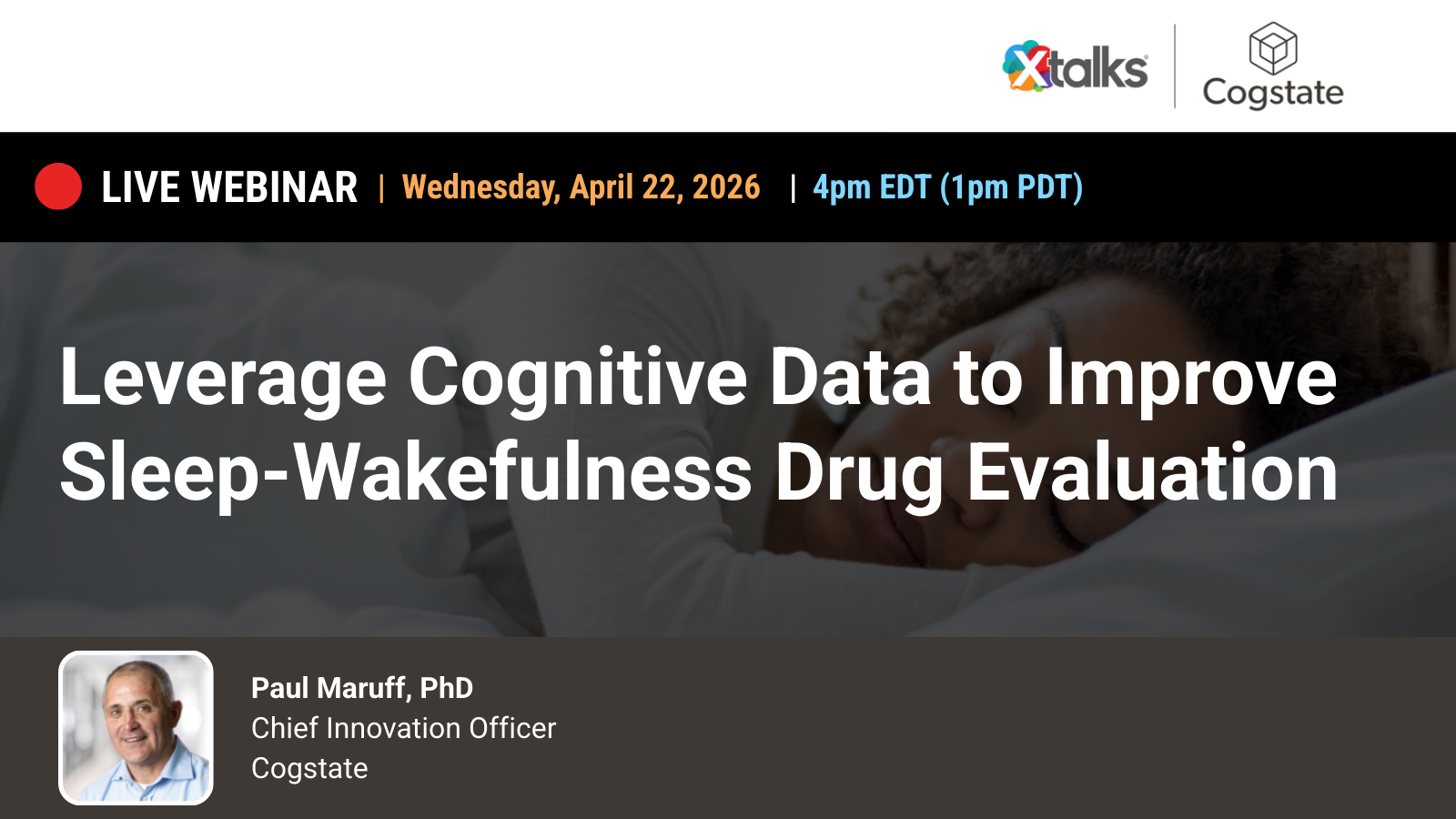
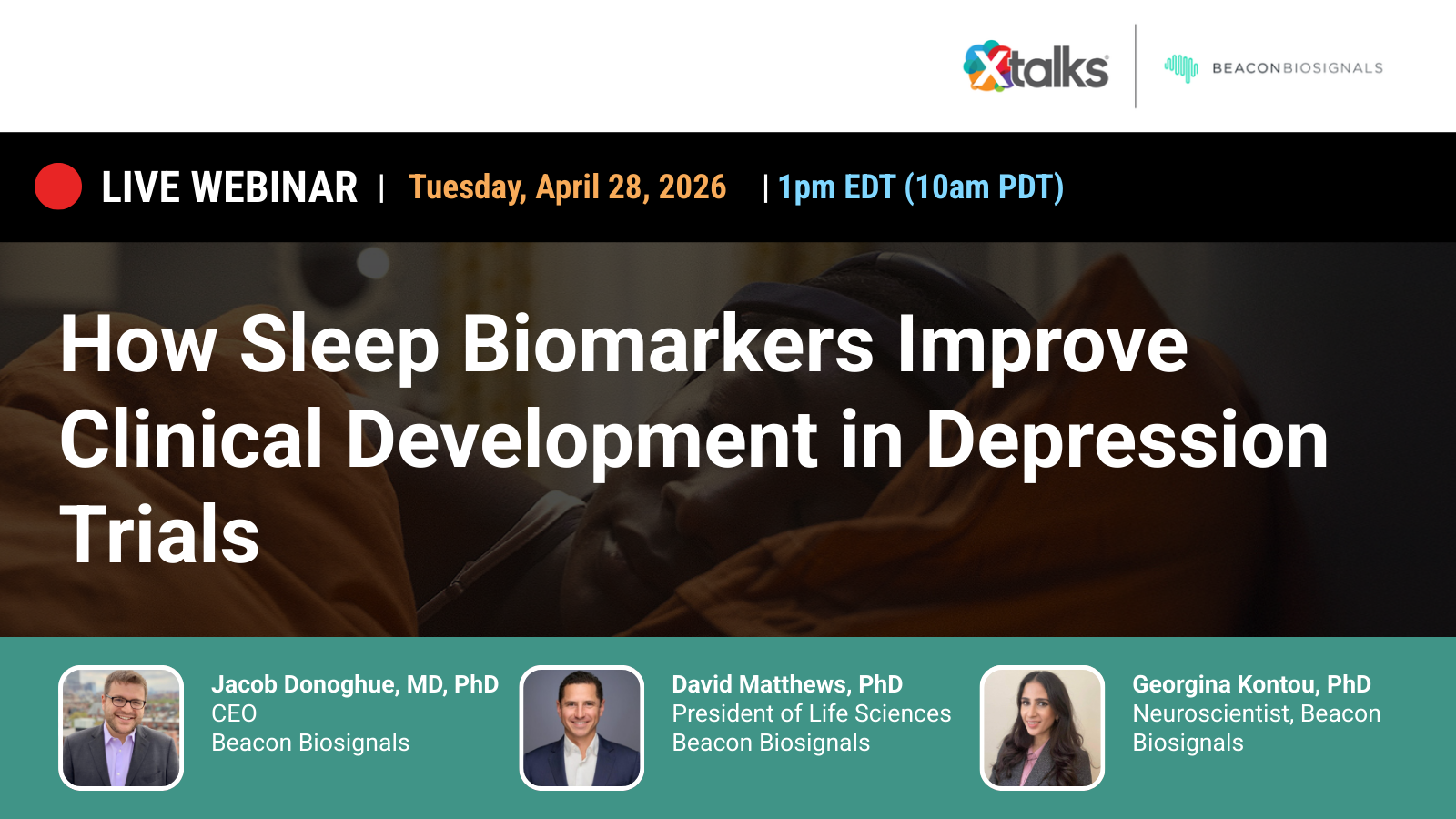
Alixorexton (formerly ALKS-2680), another investigational oral selective orexin-2 receptor agonist developed by Alkermes, demonstrated improvements in wakefulness and reductions in excessive daytime sleepiness in a Phase II clinical study in patients with narcolepsy type 2. The company plans to initiate a global Phase III program for the therapy.
Innovation is also advancing in sleep diagnostics. Huxley Medical received FDA clearance for its SANSA home sleep apnea test, which can function as a diagnostic electrocardiogram monitor. The chest-worn patch allows clinicians to detect cardiac arrhythmias, including atrial fibrillation, during home sleep apnea testing and may help identify patients who need further cardiovascular evaluation.
Companies developing sleep technologies are also exploring new ways to manage sleep disorders. ProSomnus Sleep Technologies secured $38 million to support the development of next-generation diagnostic devices and remote patient monitoring systems aimed at improving care for individuals with OSA.
Sleep innovation has also expanded into wearable technologies. In 2024, Samsung’s sleep apnea detection feature on the Galaxy Watch received FDA De Novo authorization to detect signs of moderate-to-severe OSA through the Samsung Health Monitor app. The feature alerts users and encourages them to seek medical evaluation.
If you want your company to be featured on Xtalks.com, please email [email protected].













Join or login to leave a comment
JOIN LOGIN