|
Issue 11 • September 2026 |

|
|
Inside the September issue: five expert conversations on where clinical research is heading, from reprogramming immune cells in tumors to rethinking how MASH trials measure success.
|
|
|
|
| 🎗️ |
Reprogramming macrophages to work against tumors |
| ♀️ |
Building a more objective test for endometriosis |
| 💧 |
Knowing when diuretics have stopped working |
| 💊 |
Why a lower pain score doesn’t tell you everything |
| ⚖️ |
Redefining what “progress” means in MASH trials |
|
|
|
FEATURED INSIGHT
|
|
Why Macrophages Matter in the Tumor Microenvironment
|
|
|
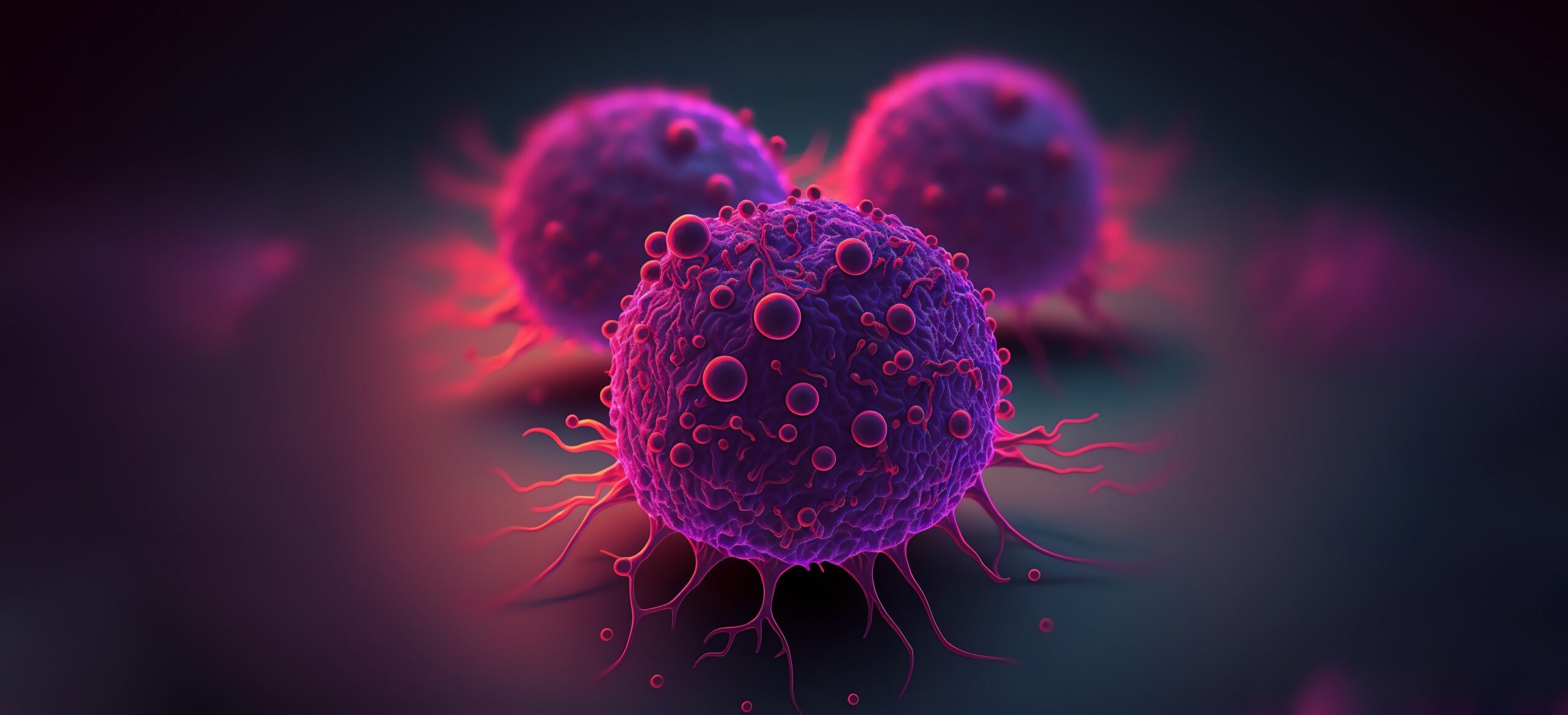
Macrophages are immune cells that normally help fight infection and repair tissue. Inside tumors, however, cancer can influence these cells in ways that suppress immune responses and support tumor growth.
Maija Hollmén, Chief Scientific Officer at Faron Pharmaceuticals, spoke with Xtalks about what researchers are learning about macrophages and the tumor microenvironment.
Researchers are studying whether macrophages can be reprogrammed so they support an anti-tumor immune response instead. The challenge is that finding a molecular feature that is elevated in a tumor doesn’t prove it is actually driving treatment resistance.
The tumor environment can also shift over time and after different treatments, meaning the same patient’s immune profile may look different depending on when it is studied and what therapies they have already received.
You’ll learn:
| • |
Why an elevated marker alone isn’t enough to prove which immune cells are driving resistance |
| |
| • |
How treatment history can reshape a tumor’s immune profile over time |
| |
| • |
What “reprogramming” a macrophage population actually means |
| |
The open question: If elevated expression doesn’t prove an immune-cell population is driving resistance, what does? Distinguishing correlation from a true functional driver could shape target selection, biomarker development and how trial responses are interpreted.
Read the full interview: Reprogramming the “Generals”: Macrophages in the Tumor Microenvironment
|
|
|
ENDOMETRIOSIS DIAGNOSIS
|
|
Why Endometriosis Can Be So Difficult to Diagnose
|

|
|
Endometriosis can be difficult to recognize because its symptoms overlap with other conditions and vary widely between patients. Imaging can identify some forms of the disease, but smaller or more superficial lesions may be tough to detect.
Dr. Farideh Bischoff, Chief Medical Officer of Diagnostics at HerAnova Life Sciences, outlined efforts to develop more objective, non-invasive ways to identify endometriosis.
Symptoms don’t always reflect how extensive the disease is, which is why relying on a single biomarker or imaging method can sometimes fall short. Researchers are instead exploring how different biological signals could be combined.
The validation question: Dr. Bischoff is wrestling with whether a test still holds up across different patient populations once false positives and false negatives are taken into account.
Read the full interview: Endometriosis Testing: Closing the Diagnostic Gap with Multiomics and AI
|
|
|
FLUID OVERLOAD
|
|
What Happens When Diuretics Stop Working?
|

|
|
Fluid overload occurs when the body retains more fluid than it can effectively manage. It can lead to swelling, difficulty breathing and hospitalization, particularly when heart and kidney function are both affected.
Mike McCormick, President and CEO of Nuwellis, shared how clinicians assess whether standard fluid-removal approaches are producing the expected response.
Diuretics are generally used first, with clinicians monitoring urine output, weight, symptoms and kidney function. When congestion persists despite treatment, another strategy may be considered. Timing, patient selection and treatment protocols can all influence how that approach performs in a trial.
The trial-design takeaway: Fluid removed is an important number, but Mike also looks at what happened to the patient. Did breathing improve? Did they go home? And how long did they stay out of the hospital?
Read the full interview: Fluid Overload and Cardiorenal Care: What Happens When Diuretics Stop Working?
|
|
|
ACUTE PAIN RESEARCH
|
|
What Pain Scores Don’t Tell You
|

|
|
Developing a treatment for acute pain involves a difficult balance. Severe pain needs to be controlled, but some of the most effective existing treatments carry risks including respiratory depression, misuse and physical dependence.
James Hackworth, Cebranopadol Development Lead at Tris Pharma, talked to Xtalks about why researchers increasingly need to look beyond whether a potential analgesic lowers a patient’s pain score.
James also discussed why undertreating severe pain isn’t a risk-free alternative. Persistent pain signaling can carry consequences of its own, while patients can also respond very differently to both pain and treatment.
For evidence generation: A lower pain score doesn’t automatically mean a better treatment. James lays out what else researchers need to consider before the overall benefit-risk picture becomes clear.
Read the full interview: Managing Acute Pain: Why a Pain Drug That “Works” Isn’t Enough
|
|
|
MASH RESEARCH
|
|
What Should MASH Trials Measure?
|
|
|
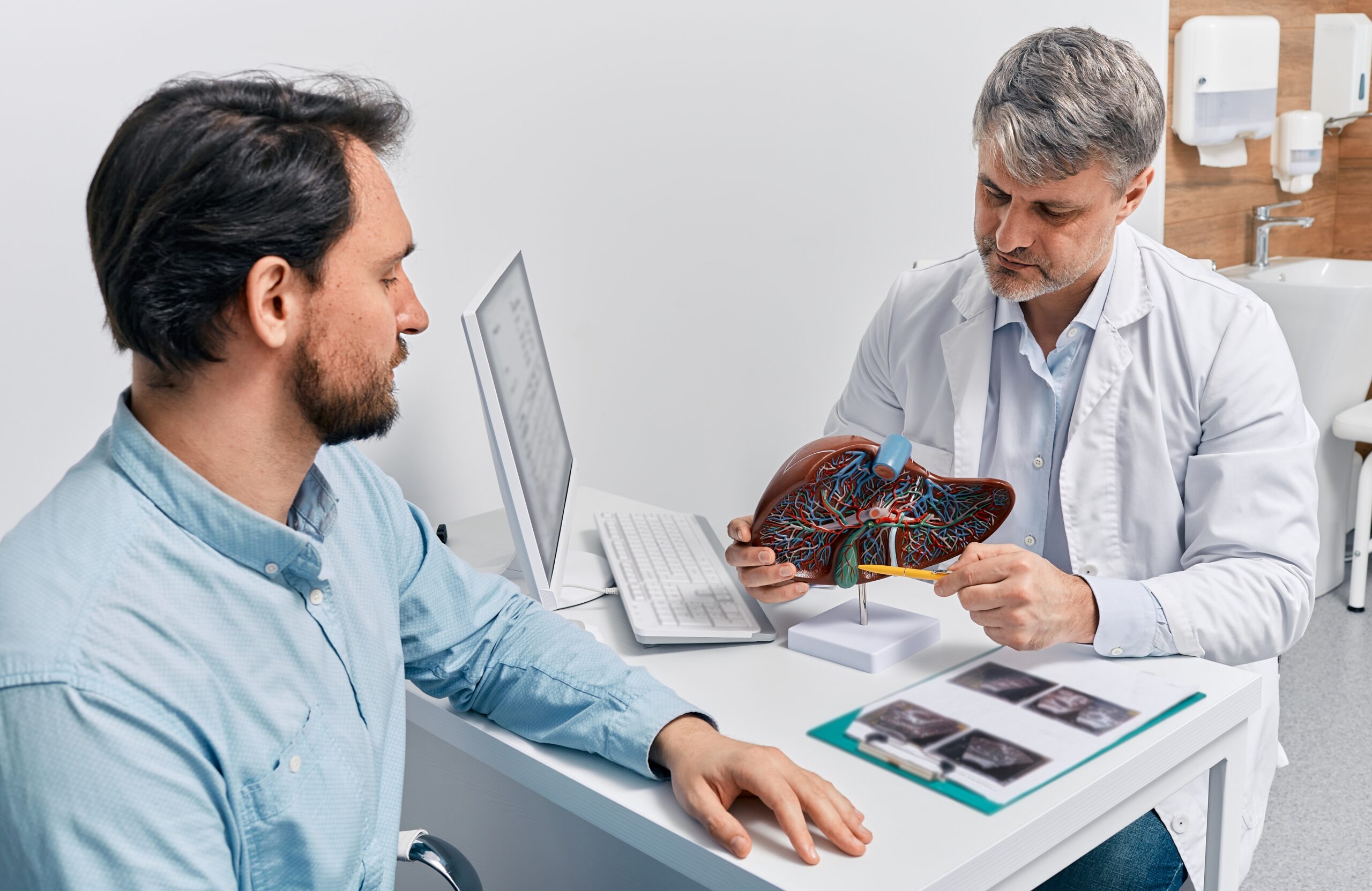
Metabolic dysfunction-associated steatohepatitis (MASH) sits at the intersection of liver disease and wider metabolic health, which makes clinical development complex. Researchers are tracking changes in the liver while also considering what those changes mean for patients over time.
Jorge Bartolome, CEO of Rivus Pharmaceuticals, spoke with Xtalks Clinical Edge about the changing MASH treatment landscape and the questions facing researchers as new approaches move through clinical development.
The conversation explored liver-specific measures alongside non-invasive assessments, body composition and the broader metabolic picture, with patient-to-patient variation adding another layer to how trial results are interpreted.
What to watch: Even though a trial may show a measurable change in the liver, what does that mean for the patient over time? Jorge explores how researchers can begin connecting those two parts of the MASH evidence picture.
Read the full interview: MASH Treatment: Rethinking Clinical Trials, Testing and Metabolic Health
|
|
|
✅ To-Do List: Watch, Listen, Read
|
|
|
| 🖥️ |
CDMO Facility Design: Balancing Flexibility with Complexity |
FUJIFILM’s Jason Goodwin discusses how CDMOs can avoid “overpurchasing” manufacturing capabilities, choose partners with a long-term view and keep equipment practical for the teams operating and maintaining it.
Watch now
|
|
|
| 🎧 |
Pinch It to Believe It: Skin Longevity with Galderma’s Anne-Cécile Chevrier — Episode 268 |
A conversation exploring how skin longevity research is examining menopause, medication-driven weight loss and other factors that shape skin quality across different stages of life.
Listen now
|
|
|
| 📖 |
Sanofi Opens $925M Toronto Vaccine Facility |
A look at Sanofi’s new $925 million Toronto vaccine facility and what the investment could mean for domestic flu vaccine production, pandemic preparedness and biomanufacturing capacity in Canada.
Read more
|
|
|
READER POLL
|
|
The Future of Breast Cancer Detection: What Will Move the Needle Most?
|

|
|
It’s Breast Cancer Awareness Month. With several approaches advancing at once, from AI-assisted imaging and liquid biopsies to risk-based screening and more sensitive imaging, we’re curious which one you think could make the biggest difference.
Which advance do you think will have the biggest impact on breast cancer screening and early detection over the next five years?
| • |
Liquid biopsies (blood-based tests) |
| |
| • |
Genetic and risk-based screening |
| |
| • |
More sensitive imaging technologies |
Click here to cast your vote and join the conversation.
|
|
|
UPCOMING CLINICAL RESEARCH WEBINARS
|
|
Reduce Oncology Trial Delays from Study Start-Up to Patient Recruitment
Wednesday, October 7, 2026 | 10am EDT / 4pm CEST
Explore how site readiness, feasibility, patient identification and recruitment strategies can reduce delays across early- and late-phase oncology trials.
|
|
The Practical Reality of AI in Clinical Development
Tuesday, October 13, 2026 | 11am EDT / 5pm CEST
Learn how clinical development teams are approaching AI governance, validation, data quality and operational readiness as use moves beyond isolated pilots.
|
|
Inflammation as a Clinical Endpoint in CKM: Are We There Yet?
Monday, October 19, 2026 | 11am EDT / 5pm CEST
Examine whether inflammation could become a useful biomarker, therapeutic target or clinical endpoint across cardiovascular, kidney and metabolic disease.
|
|
|
Xtalks Clinical Edge™
|
|
Clinical trial strategy and operations insights for life sciences professionals.
|
|
Written by Soumya Shashikumar, MBiotech
Senior Life Sciences Journalist
Xtalks
|
|
|