
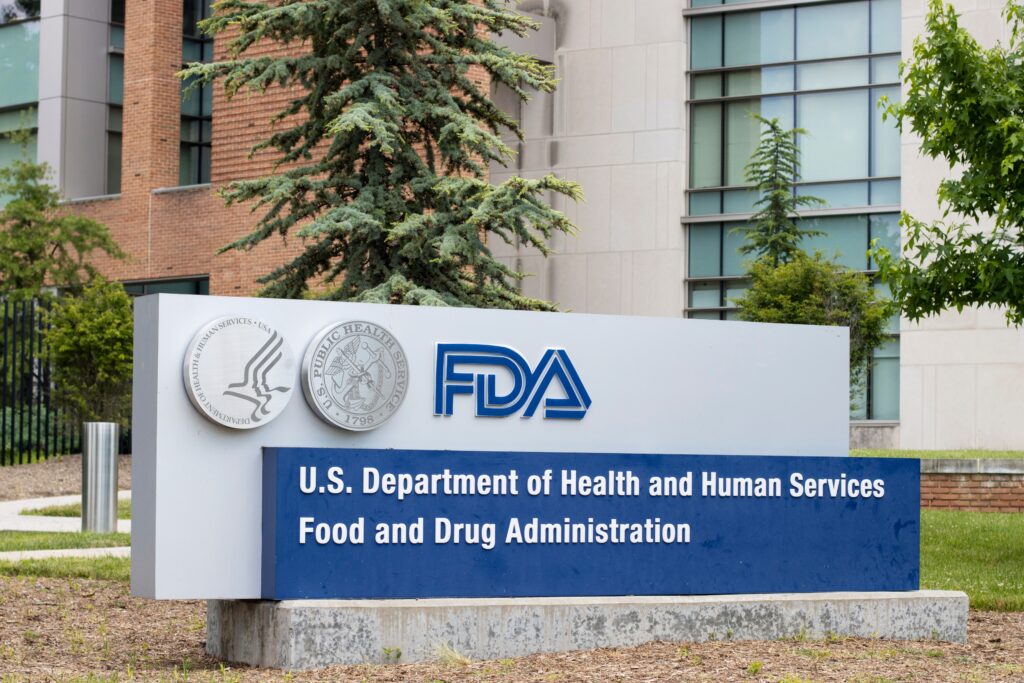
The FDA has approved Zycubo (copper histidinate) injection as the first and only treatment for pediatric Menkes disease, a rare and often fatal neurodegenerative genetic condition that until now had no approved therapy.
Menkes disease is an ultra-rare X-linked recessive genetic disorder caused by mutations in the ATP7A gene that encodes the copper transporter ATP7A. These mutations impair the body’s ability to absorb and transport copper, an essential trace mineral critical for brain development and many cellular processes.
Affected infants typically appear healthy at birth but quickly develop symptoms such as seizures, failure to thrive and gain weight, developmental delays, connective tissue abnormalities and neurological decline.

Without treatment, classic Menkes disease is usually fatal by age three. It occurs in approximately 1 in 100,000 to 250,000 live births worldwide and is more common in boys due to its X-linked inheritance.
Zycubo delivers copper in the form of copper histidinate via subcutaneous injection, bypassing the defective intestinal absorption that defines the disease. This allows copper to enter the body in a bioavailable form that cells can use.
The injected copper replacement therapy was developed by Sentynl Therapeutics, a US biopharmaceutical company wholly owned by Zydus Lifesciences, in collaboration with Cyprium Therapeutics, which is a subsidiary of Florida-based Fortress Biotech.
The FDA rejected the treatment less than four months ago, sending Solana Beach, California-based Sentynl and Miami-based Cyprium a complete response letter on September 30 in which it outlined a manufacturing compliance issue.
It appears the problem was quickly resolved as Sentynl re-submitted its application on November 14, which the FDA accepted on December 15 with a January 14 action date.
The approval also comes after a long 30-plus-year journey.
“The development and approval of Zycubo are the culmination of more than three decades of hard work and dedication by many people, including the team members at Cyprium, Fortress and Sentynl,” said Lung S. Yam, MD, PhD, Cyprium’s president and CEO in a news release announcing Zycubo’s approval.
“We would like to express our gratitude to the Menkes disease patients and their families who participated in the clinical studies and helped advance our understanding of this devastating disease,” Dr. Yam added.
The FDA’s approval was supported by two open-label clinical trials comparing outcomes in treated patients with those in contemporary external control groups.
In children who began treatment within the first four weeks of life, there was a 78% reduction in the risk of death compared with untreated patients. Nearly half of these early-treated children survived beyond six years, with some living well into adolescence. Even infants who started Zycubo later still experienced meaningful survival benefits. In the untreated control group, no patient survived beyond six years.
Median overall survival was 177.1 months for participants who received Zycubo compared to 17.6 months for the external control group.
The analysis included 66 patients treated with the Zycubo and 17 patients in the control arm, most of whom were based in the US.
Common side effects included infections, respiratory issues, seizures, vomiting, fever, anemia and reactions at the injection site. Because copper can accumulate, careful monitoring is required to minimize the risk of toxicity.
|
|
How Does Community-Based Research Deliver Faster Results and Greater Access?
Thursday, January 22, 2026 | 12pm EST (9am PST)
Join this session to learn how community-based research enhances access, representation and trial efficiency while supporting approaches that strengthen patient experience.
|

“Menkes disease presents significant challenges for patients and their families. With no known cure, most untreated patients do not survive beyond three years of age,” said Matt Heck, CEO, Sentynl in a statement from the company. “FDA’s approval serves as compelling affirmation that a safe and effective therapy is now available for patients living with this devastating disease.”
The FDA granted the Zycubo application several expedited designations, including Priority Review, Breakthrough Therapy, Fast Track and Orphan Drug status, underscoring both the severity of Menkes disease and the unmet need for effective treatments.
The approval also comes with a rare pediatric disease priority review voucher, which will be transferred to Cyprium. The Miami-based biotech originally developed the therapy before striking a $20 million transfer deal with Sentynl in 2021.
Two years later, the partners broadened the agreement, with Sentynl taking full lead on the program’s development and commercialization.
“The approval of Zycubo is a pivotal milestone for our company and patients suffering from Menkes disease, as it is the first and only FDA-approved treatment for this rare, often fatal, pediatric disease. In connection with FDA approval, Zycubo was granted a Rare Pediatric Disease Voucher, which will be transferred from Sentynl to our majority-owned subsidiary Cyprium,” said Lindsay A. Rosenwald, MD, Fortress’ chairman, president and CEO and Cyprium’s chairman, in the news release for the approval.
The approval of Zycubo adds to the Fortress’ recent string of successes, Rosenwald said, which include assisting three FDA approvals in the last 15 months: Journey Medical’s rosacea treatment Emrosi (minocycline HCl), Checkpoint Therapeutics’ Unloxcyt (cosibelimab-ipdl) for advanced skin cancer and now Zycubo.
In March 2025, Sun Pharma acquired dermatology biotech Checkpoint for approximately $416 million with a $28 million upfront payment to Fortress as its controlling stockholder.











Join or login to leave a comment
JOIN LOGIN