
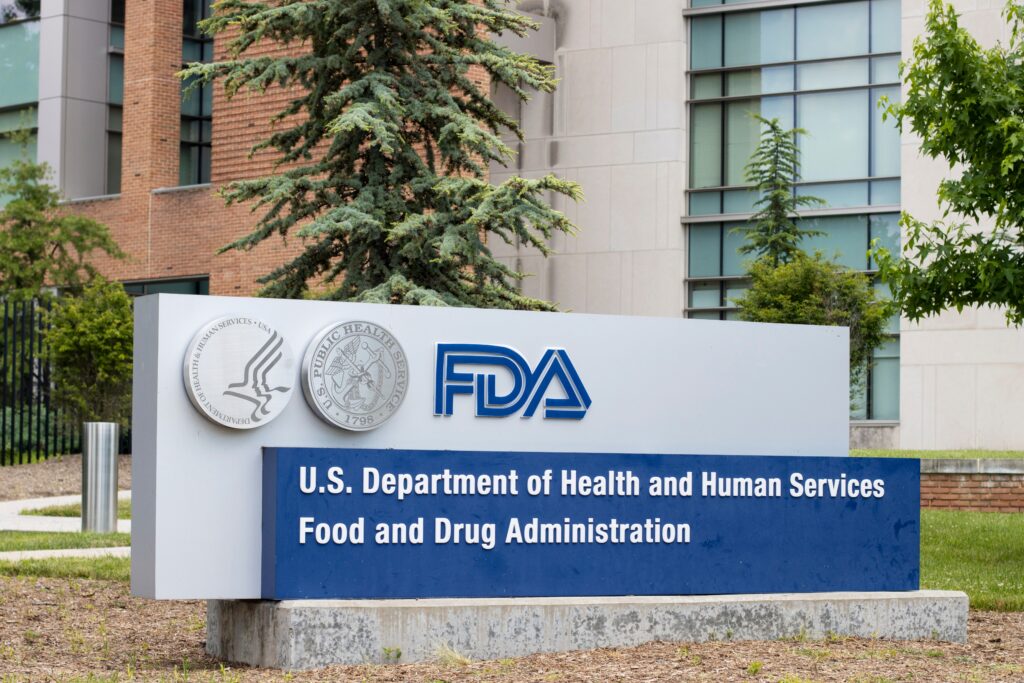
The FDA has issued new draft guidance to streamline the development of biosimilar medicines. The initiative aims to reduce unnecessary clinical pharmacokinetic (PK) testing, potentially saving developers up to 50% in PK study costs, or about $20 million.
The move is part of the FDA’s commitment to lowering drug prices and increasing access to affordable treatments.

According to the FDA, although they represent only about 5% of prescriptions, biologics account for roughly 51% of total drug spending and can cost hundreds of thousands of dollars annually. Biosimilars, similar to generic drugs for small molecules, offer more affordable alternatives that can help expand patient access to these otherwise expensive therapies.
The FDA is aiming to make biosimilars more accessible through its regulatory changes.
The FDA said the new guidance builds on a previous FDA draft guidance unveiled in October aimed at reducing certain unnecessary comparative efficacy studies, which can take one to three years to complete and cost about $24 million.
The new guidance allows the use of clinical data from non-US-licensed comparator products without additional data from a three-way PK study, provided it is scientifically justified.
The new draft guidance, titled “New and Revised Draft Q&As on Biosimilar Development and the BPCI Act (Revision 4),” is designed to provide clarity for prospective applicants and support the development of proposed biosimilars and interchangeable biosimilars.
The FDA is withdrawing its 2021 guidance on demonstrating biosimilarity, reflecting its evolving scientific understanding since its initial issuance in 2015.
The FDA said the new guidance also incorporates revisions to several Q&As that previously appeared in the final guidance, “Questions and Answers on Biosimilar Development and the BPCI Act.”
“Streamlining biosimilar development reflects our ongoing commitment to lowering drug costs for everyday Americans,” said FDA Commissioner Marty Makary, MD, MPH, in an FDA statement. “Using common sense, we are embracing more precise analytical testing approaches than have been used in the past.”
In recent months, the FDA has been active in updating its regulatory framework. In July, the agency announced new guidelines to improve the drug approval process, aiming to enhance efficiency and transparency. Under the new guidance, the agency said it will publish complete response letters (CRLs) for rejected drug applications, providing greater clarity about regulatory decisions as part of broader initiatives to “modernize and increase transparency” in drug development and review.
Related: FDA Finalizes Guidance on Promotional Labeling and Advertising for Biologics and Biosimilars
To bolster oversight of biologics and biosimilar communications, in December, the FDA finalized guidance clarifying how companies should present promotional labeling and advertising for these products. The guidance emphasizes that materials must be truthful, non-misleading and consistent with FDA-approved labeling, while outlining how manufacturers should identify biosimilars and reference products and present comparative data.
To date, the FDA has approved 82 biosimilars for a wide array of conditions, including cancer, rheumatoid arthritis, diabetes, Crohn’s disease and osteoporosis.












Join or login to leave a comment
JOIN LOGIN