

In dermatology, the intersection of science, clinical innovation and patient care is evolving rapidly.
Dermatology is undergoing a transformation, shaped by advances in clinical research, growing recognition of patient-reported outcomes and an increasing emphasis on real-world evidence (RWE). Across conditions such as acne, rosacea, atopic dermatitis and prurigo nodularis, the focus is shifting from short-term symptom control to a deeper understanding of long-term disease impact, both physical and psychological.
Patient centricity has become a cornerstone of this evolution, with trial designs now incorporating measures that reflect not just clinical efficacy but also quality of life indicators such as sleep and psychosocial well-being. This approach is redefining what success looks like in dermatological care and guiding how therapies are developed, evaluated and brought into practice.
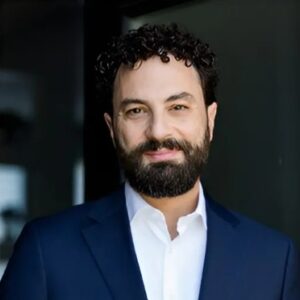
Vice President
Medical Affairs, US
Galderma
To explore these trends and discuss how clinical research and medical affairs are shaping the future of dermatology, Xtalks spoke with Bill Andriopoulos, PhD, Vice President of Medical Affairs, Galderma US.
Research-Driven Insights Moving Dermatology Forward
Advances in dermatology are increasingly being driven by robust clinical research programs designed to reflect the realities of patient care.
Dr. Andriopoulos emphasized how collaboration across the dermatology community, from investigators and clinicians to patient organizations, is central to this process.
This collaborative model reflects the broader trend in dermatology clinical research of integrating scientific rigor with patient insights to shape more meaningful outcomes.
“Our teams partner closely with investigators, dermatologists and patient organizations to ensure that the science behind our therapies is understood and that ongoing clinical questions are addressed,” he explained.
Galderma’s pipeline is built around three strategic franchises: injectables, dermo-cosmetics and prescription medicines. Across these categories, Galderma is advancing not only new product candidates but also expanding indications for existing therapies, leveraging global Phase II and Phase III programs.
Xtalks Clinical Edge: Issue 6 — Advanced Dermatology Through Clinical Innovation with Galderma
Xtalks Clinical Edge™ is a magazine for clinical research professionals and all who want to be informed about the latest trends and happenings in clinical trials. This magazine immerses you in a world where industry leaders, patient advocates and top researchers converge to provide the most insightful perspectives on clinical trials.

“Our teams partner closely with investigators, dermatologists and patient organizations to ensure that the science behind our therapies is understood and that ongoing clinical questions are addressed.”
— Bill Andriopoulos, PhD, US Vice President of Medical Affairs, Galderma
Bringing Patient Needs into Trial Design
With its dedicated focus on dermatology, Galderma has developed robust clinical programs such as the ARCADIA trials in atopic dermatitis.
An estimated 230 million people worldwide suffer from atopic dermatitis, including 7% of the US population. Itch remains one of the most debilitating symptoms of the condition, with nearly nine out of ten patients (87%) seeking freedom from itch.
Atopic dermatitis is not only marked by physical symptoms, such as inflamed skin, lesions and recurring itch, but also by a significant psychological burden. Patients often experience anxiety, depression and, in some cases, even suicidal ideation. Nearly 40% report avoiding social interactions altogether because of the condition.
Despite advances in treatment, not all patients respond optimally to approved therapies, and many continue to struggle with persistent symptoms. As Dr. Andriopoulos noted, “Patients aren’t just looking for improvement. They want complete relief from itch and, importantly, clear skin.”
By incorporating both biological endpoints and patient-reported outcomes into its clinical programs, Galderma is working to capture a more complete picture of the disease.
What sets these programs apart, Dr. Andriopoulos explained, is Galderma’s emphasis on patient centricity, looking beyond physical symptoms like inflamed skin and recurring itch to also consider the profound psychological burden of the disease.
In addition to clinical measures such as the Peak Pruritus Numerical Rating Scale (PP-NRS), a patient-reported itch scale, or skin severity scores, the company also incorporates tools like the Dermatology Life Quality Index (DLQI) to assess quality of life, which is equally important for patients, explained Dr. Andriopoulos.
This holistic approach, he said, is applied across Galderma’s entire portfolio. “We do a lot of listening to understand what’s really important, and we apply that across all of our business units and products. I think that makes us pretty unique,” he noted.
“Clinical trials give us controlled answers, but going in the real world allows us to understand what happens in more diverse populations and how therapies perform across populations with comorbidities or those underrepresented in trials.”
— Bill Andriopoulos, PhD, US Vice President of Medical Affairs, Galderma
The Value of Long-Term Data, RWE and Patient Perspectives
Dr. Andriopoulos said it is imperative to look beyond short-term trial results to capture the full story of a product’s efficacy and safety. While pivotal studies provide the foundation for regulatory approval, they are often limited in scope, focusing on defined patient populations and shorter durations of follow-up.
He emphasized the importance of long-term studies that can reveal the durability of response, late-emerging safety considerations and treatment patterns that inform clinical guidelines.
At the same time, RWE is playing a growing role in filling knowledge gaps. The growing adoption of RWE is transforming clinical development and post-market evaluation, providing insights that extend beyond traditional trial settings and better reflect how therapies perform in everyday practice.
“Clinical trials give us controlled answers, but going in the real world allows us to understand what happens in more diverse populations and how therapies perform across populations with comorbidities or those underrepresented in trials,” he said.
This broader lens not only validates clinical trial results but also supports physicians in tailoring care to individual patient needs. These insights help refine treatment guidelines, inform clinical practice and reassure both providers and patients about the durability and reliability of therapies.
For Dr. Andriopoulos, engagement with healthcare providers is critical. He described these exchanges not as one-way presentations, but as open forums for dialogue and shared learning.
“And one of the themes that consistently comes up is the importance of long-term data and RWE,” he noted.
Clinicians want to know how treatments perform across subgroups and how patient-reported outcomes fit into the overall picture of success.
That patient perspective, Dr. Andriopoulos explained, is essential to understanding the true impact of dermatological disease.
He pointed to skin conditions like atopic dermatitis and prurigo nodularis as examples where sleep disruption is a profound yet sometimes overlooked burden. “Sleep is big. When patients don’t sleep, their quality of life declines dramatically. Hearing this directly from patients reminds us why patient-reported outcomes matter,” he said.
Looking Ahead: Dermatology’s Future
For Dr. Andriopoulos, advancing dermatology begins with listening to the community, patients, healthcare providers and clinicians alike.
Insights from these groups guide Galderma’s innovation, shaping the science that drives new solutions. Just as importantly, the company also prioritizes education, he said, ensuring that knowledge flows back to the dermatology community.
Looking to the future, Dr. Andriopoulos sees dermatology entering an era defined by personalization and integration. Advances in biomarkers, digital technologies and data-driven insights are beginning to inform treatment selection, dosing and long-term monitoring.
Effective care begins with a precise understanding of each patient’s unique needs and tailoring treatments accordingly. “We have to understand exactly what the patient is experiencing and provide a personalized, precise treatment for them,” he explained.
While the complexity of conditions like atopic dermatitis can make this challenging, continued progress in science and clinical insights is moving the field closer to that goal.
The aim is to deliver innovative solutions that address the full spectrum of dermatology, improving lives and empowering patients.












Join or login to leave a comment
JOIN LOGIN