

Hypertrophic cardiomyopathy (HCM) affects an estimated ~700,000 adults in the US, yet ~85% of those adults may remain undiagnosed. Among those who do receive a diagnosis, roughly two-thirds have the obstructive form of the disease, while about one-third have the non-obstructive type.
Obstructive hypertrophic cardiomyopathy (oHCM) is one of the most complex and underrecognized forms of heart disease. oHCM occurs when the heart’s main pumping chamber (the left ventricle) becomes abnormally thickened, obstructing blood flow and forcing the heart to work harder. Despite often presenting in otherwise healthy individuals, it can lead to chest pain, shortness of breath, arrhythmias and even sudden cardiac death, especially among younger patients and athletes.
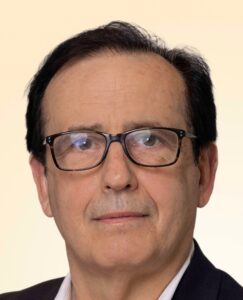
VP and Senior Global Program Lead
Immunology and Cardiovascular
Bristol Myers Squibb (BMS)
Until recently, treatment options for oHCM primarily focused on managing symptoms and/or invasive procedures to alleviate the obstruction. Beta-blockers and/or non-dihydropyridine calcium channel blockers have long been the mainstay therapies, but patients may continue to experience significant limitations in quality of life.
The emergence of selective cardiac myosin inhibitors represents a new pharmacological way to target the excessive cardiac contractility and outflow tract obstruction that defines oHCM.
As these new precision therapies reach the clinic, real-world evidence (RWE) is playing an increasingly central role in understanding how they perform across diverse populations and healthcare systems. This was the focus of a discussion with Dennis Grasela, VP and Senior Global Program Lead of Immunology and Cardiovascular at BMS, who shared how the company’s global real-world data (RWD) program is advancing cardiovascular research and evidence generation.
Read Xtalks Clinical Edge™ Issue 6
Xtalks Clinical Edge is a magazine for clinical research professionals and all who want to be informed about the latest trends and happenings in clinical trials. This magazine immerses you in a world where industry leaders, patient advocates and top researchers converge to provide the most insightful perspectives on clinical trials.
Bridging Clinical Trials and Real-World Practice
Randomized controlled trials remain the foundation of clinical development. But to understand how a therapy performs following approval across patient subgroups and care settings, researchers are increasingly turning to RWD for invaluable insights.
BMS’s global retrospective real-world study, COLLIGO-HCM, exemplifies this approach. Conducted in five countries across four continents, the study evaluated patients with symptomatic oHCM receiving a selective cardiac myosin inhibitor in routine clinical practice. Researchers analyzed outcomes such as reductions in left ventricular outflow tract (LVOT) obstruction, improvements in symptom burden and safety, comparing them to previously observed clinical trial results.
“The study included patients who were treated across four continents in real-world clinical settings,” Grasela said. “What we showed in that study was the effect on the obstruction in hypertrophic cardiomyopathy, and that translated to the resolution of clinical symptoms in those patients. These findings along with the overall safety of the medicine were entirely consistent with what we saw in our clinical trials.”
Turning Real-World Data into Regulatory-Grade Evidence
While enthusiasm for RWE is growing, Dr. Grasela acknowledged that integrating it into regulatory and clinical decision-making remains complex.
– Dennis Grasela
“Regulatory decisions have been impacted by real-world data, but they are strongly influenced by the quality and usability of the real-world data,” he said.
“As the FDA looks at these data sets, comparability in the patient populations, treatment paradigms and other factors such as robustness of data collection really influence their ability to accept that data. So, care in the collection, adequacy and robustness of the analysis, and in some cases, a prospectively provided analysis plan, can really help them understand the value of that data.”
Such methodological rigor, he added, is essential to ensure that regulators and clinicians alike can interpret findings from real-world studies with confidence.
Building a Global Framework for RWE
To strengthen understanding of how therapies perform in everyday clinical settings, BMS has developed a global RWE framework connecting data from diverse healthcare systems and patient populations.
The company’s WAYFARER-HCM initiative, which includes the COLLIGO-HCM study, spans seven countries and more than 4,000 patients.
“The WAYFARER-HCM program is an umbrella name for a number of real-world datasets,” Grasela said. “In the WAYFARER program, we’ve assessed community and hospital settings, patient outcomes, as well as physician assessments.”
Within this framework, studies draw on sources such as medical and pharmacy insurance claims and anonymized clinical records to evaluate outcomes, treatment patterns and safety metrics across different care environments.
“Using real-world data and bringing it down to the actual clinical practitioner and their day-to-day care of patients provides an opportunity to enhance the number of patients and the data that can be pooled together,” he said.
This integrated approach not only enhances statistical robustness but also helps ensure that efficacy and safety findings reflect the diversity of real-world care globally.
Real-World Data Through a Global Lens
One of the defining strengths of RWE programs, according to Dr. Grasela, is their ability to capture diversity, both in demographics and healthcare settings.
“When you conduct a clinical trial, we at BMS always strive for diversity in our programs, but that’s not always possible; we can’t go to every country and every site,” he explained. “In real-world datasets, we can observe patients from different regions, ethnicities and healthcare systems, all managed under their local standards of care. That diversity makes the evidence stronger.”
– Dennis Grasela
This inclusivity is especially relevant in oHCM, where genetic variability and environmental factors can influence how the disease presents and progresses. By examining outcomes across such varied populations, researchers can better understand how targeted cardiovascular therapies perform outside of controlled clinical trial conditions.
With clinical trial outcomes and real-world findings, programs like WAYFARER-HCM are helping reshape cardiovascular research into a more inclusive, data-driven and globally representative model of care.

Join or login to leave a comment
JOIN LOGIN