
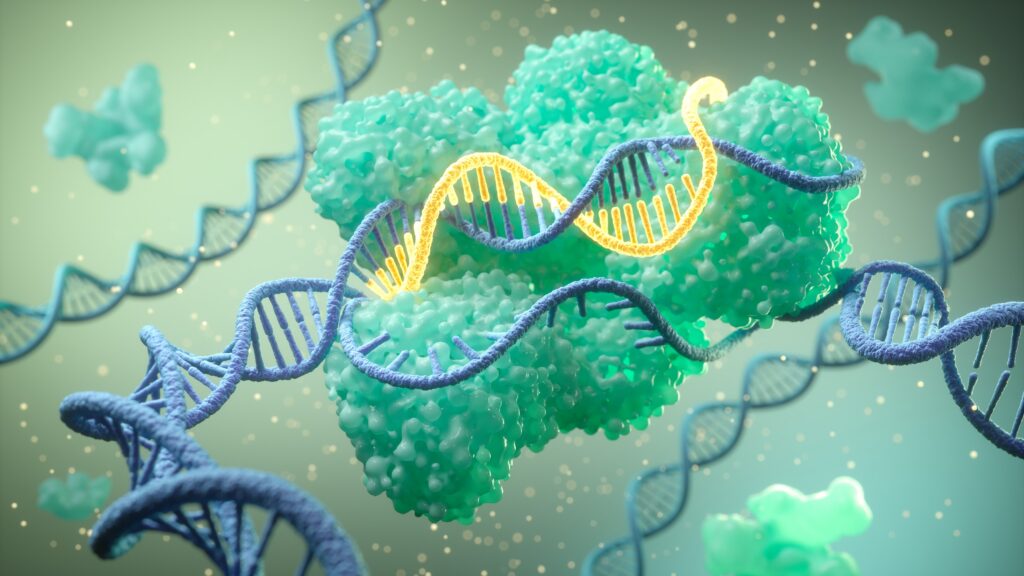
4basebio CEO Dr. Amy Walker explores the potential of cell-free synthetic DNA for mRNA production, viral vectors and gene editing.
DNA is a key starting material for many advanced therapies, but traditional production methods can make manufacturing more complex and introduce quality challenges.
Could synthetic, cell-free DNA offer a different approach?
In a special Breakthrough episode of the Xtalks Life Science Podcast, host Dr. Corey Stanton speaks with Dr. Amy Walker, CEO of 4basebio, about how synthetic DNA could support the development of mRNA therapies, viral vectors and gene editing technologies.
Dr. Walker explained that cell-free DNA production eliminates the need for bacterial fermentation and lets researchers tailor DNA molecules for specific applications. For adeno-associated virus (AAV) manufacturing, she shared how partners have reported using 30% to 50% less DNA during production while maintaining comparable productivity.
The conversation also explored the potential advantages of synthetic DNA templates for mRNA manufacturing, including eliminating the need for plasmid linearization and supporting longer poly(A) sequences.
Beyond the science, Dr. Walker discussed the regulatory considerations involved in transitioning from conventional plasmids to synthetic DNA, including an example of a clinical-stage program making the switch after Phase I.
Looking ahead, she shared her perspective on scaling cell-free DNA manufacturing and expanding its use across emerging genetic medicines.
Listen to the full episode to learn how synthetic DNA could help address manufacturing challenges in advanced therapy development.

A new podcast episode is available every other Wednesday on Apple Podcasts, Spotify and wherever you stream your podcasts.
Subscribe to the Xtalks Life Science Podcast to never miss a new episode.








Join or login to leave a comment
JOIN LOGIN