
In a warning letter dated November 20, the FDA cited significant current good manufacturing practice (cGMP) deficiencies related to sterile drug production at the Bloomington, Indiana, manufacturing facility formerly operated by Catalent. The site, which was inspected by the FDA earlier this year, is now owned and operated by Novo Nordisk following its acquisition of Catalent in late 2024.
The warning letter is formally addressed to Catalent Indiana, LLC.
The FDA’s inspection, conducted between June 23 and July 14, 2025, reviewed the Indiana site’s manufacturing operations under 21 CFR Parts 210 and 211.
The FDA determined that certain finished drug products made at the facility were adulterated under US law. In regulatory terms, this classification reflects problems with manufacturing and quality systems, not conclusions about how the products perform clinically.
The FDA also noted that recalls were initiated after discussions with the company.

Inspection Scope and Regulatory Context
The FDA concluded that the facility’s methods, facilities or controls for making, packaging or handling drug products did not meet cGMP requirements, as outlined in the November warning letter.
Under the Federal Food, Drug, and Cosmetic Act, drug products made under such conditions are considered adulterated, even if final product testing meets specifications.
What an FDA Warning Letter Means
A warning letter is a formal notice the FDA may issue when it identifies significant violations of federal requirements. In drug manufacturing, these letters commonly focus on cGMP issues, such as gaps in investigation practices, contamination controls or aseptic processing and require firms to respond with corrective actions and timelines.
Across 2025, FDA warning letters cited issues ranging from cGMP violations to unapproved or unlicensed drug/biologic marketing, to misbranding and drug listing/registration deficiencies and to unlawful or misleading promotional/advertising practices.
A review of the FDA’s publicly posted warning letter listings for 2025 shows that over 180 pharmaceutical-related companies appear to have received warning letters, based on the entries listed.
FDA’s Concerns: Investigation & Deviation Management
At the center of the warning letter were concerns about how unexpected issues and batch failures were investigated.
The FDA described gaps in investigation practices, including limited data to support root cause conclusions, investigations that did not extend to potentially affected products, incomplete documentation and inadequate evaluation of corrective and preventive actions (CAPAs), which are intended to address issues and prevent them from recurring.
In several cases, investigations concluded that no product impact occurred because finished drug testing, such as sterility or endotoxin testing, met specifications.
Extrinsic Contamination Observations
A recurring issue highlighted in the November letter involves more than 20 deviations beginning in 2023 related to extrinsic “mammalian hair,” a foreign material not originating from the drug itself.
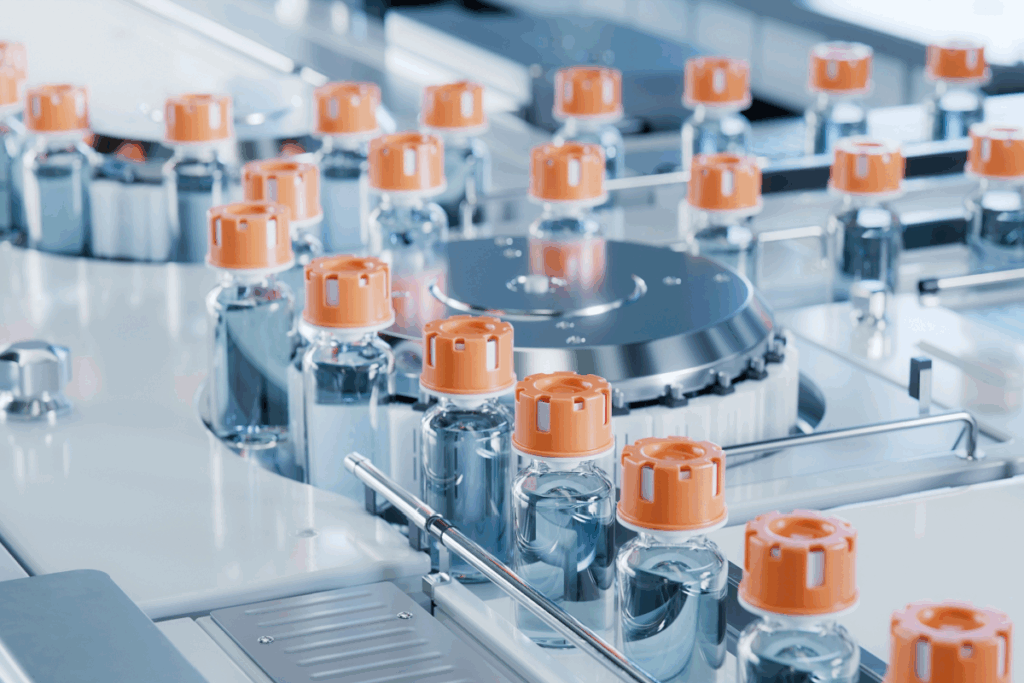
The FDA identified instances in which hair was found in and around vial stopper areas. In some cases, the material was in direct contact with the drug product. The findings spanned multiple batches produced for several different customers.
The FDA noted that the presence of mammalian hair can indicate broader contamination risks and is generally sufficient to render a sterile product adulterated. According to the letter, investigations into these events were not initiated in a timely manner, trends were not clearly identified and actions taken with stopper suppliers did not adequately address the issue.
The FDA also stated that batches linked to these findings were released after attempts were made to remove affected units, and that customer complaints continued, with some customers ultimately rejecting batches after distribution.
Supplier Oversight and Aseptic Processing Controls
The FDA also raised concerns about how stopper suppliers were overseen, noting that the facility relied on pre-shipment, or “tailgate,” samples rather than samples taken after materials arrived on site. The agency noted that component sampling is expected to represent the materials actually used during production.
Beyond supplier oversight, the letter highlighted gaps in aseptic processing practices. The letter also cited media fill runs that were started and then aborted, and later repeated without documented root cause investigations. In some cases, media fills were repeated without documented root cause analyses, limiting confidence that underlying issues had been addressed.
The letter further pointed to contamination risks associated with hard-to-clean equipment surfaces, higher-risk production interventions and environmental monitoring approaches that reduced the ability to trace contamination back to specific sources.
FDA’s Expectations and Next Steps
The FDA requested independent reviews of the site’s investigation systems, complaint handling, CAPA program and contamination controls. The agency also called for expanded incoming inspection procedures, revised re-inspection processes for finished products and broader contamination risk assessments covering aseptic processes, equipment and facilities.
The letter noted that the facility is now owned by Novo Nordisk. The FDA noted that despite investments made after the acquisition, products tied to contamination findings were still released, and recommended reviewing quality oversight at other acquired facilities and coordinating with CDER’s Drug Shortages Staff if remediation efforts could affect supply.
The Indiana site has 15 working days to respond with corrective actions or implementation timelines.
Among those that received FDA warning letters for cGMP-related deficiencies this year included Sanofi, Glenmark Pharmaceuticals, Seaway Pharma, DeVere Manufacturing, Skylar Personal Care and South Korea-based Daewoong Pharmaceutical.
If you want your company to be featured on Xtalks.com, please email [email protected].














Join or login to leave a comment
JOIN LOGIN