
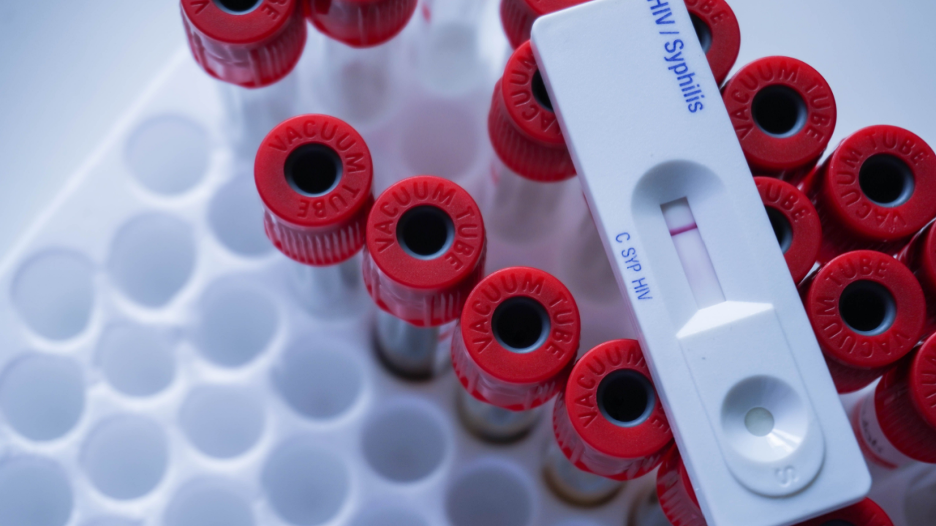
National HIV Testing Day 2026 highlights how HIV testing has evolved, where self-tests are expanding access and how diagnostics are changing.
HIV diagnosis has come a long way since the mid-1980s. During the early years of the epidemic, the first HIV tests were mainly used to detect antibodies to the virus and help protect the blood supply after HIV was identified as the cause of AIDS. Today, lab-based antigen/antibody tests and nucleic acid tests can detect HIV earlier than antibody-only tests, while rapid at-home self-tests offer private and accessible ways for people to learn their status.
About 1.2 million people in the US are living with HIV, and about 13% do not know they have it. Testing can identify HIV before symptoms appear and connect people to prevention or treatment services.
National HIV Testing Day is observed each year on June 27. The day encourages people to get tested for HIV, know their status and get connected to prevention, care or treatment services.
The US Still Faces Gaps in Early Diagnosis
The CDC recommends HIV testing at least once for everyone aged 13 to 64 as part of routine healthcare, with more frequent testing for people with ongoing risk factors.
The latest CDC data show that HIV is still being diagnosed across the US at a steady pace. In 2024, nearly 39,000 people aged 13 and older received an HIV diagnosis in the US and its territories. More than one in five people diagnosed with HIV that year already had AIDS, the most advanced stage of infection.
Get industry leading pharma and biotech news, events and expert insights delivered to your inbox.

The numbers also show where HIV diagnoses remain concentrated. In 2024, most diagnoses were among males, while more than one-third were among people aged 25 to 34. The South accounted for just over half of diagnoses. By race and ethnicity, Black/African American people accounted for 39% of diagnoses, while Hispanic/Latino people accounted for 34%.
Outside the US, some HIV testing programs have faced disruptions. Reuters reported that HIV testing supported by the US President’s Emergency Plan for AIDS Relief (PEPFAR) fell to 17.2 million people in the fourth quarter of 2025, compared with 21.9 million in the same period a year earlier.
New Testing Options Are Expanding Access
Testing options now include more routes to diagnosis.
HIV testing is now available through clinics, laboratories, pharmacies, online retailers and public health programs. In the US, FDA-approved self-test options include OraSure Technologies’ OraQuick HIV Self-Test, an oral-fluid test available over the counter, and bioLytical Laboratories’ INSTI HIV Self Test, a fingerstick blood test approved for adult self-testing.
Chembio, now part of Biosynex, received Breakthrough Device status for its SURE CHECK HIV Self-Test, another fingerstick option that is still in development for self-testing.
In June 2026, Trinity Biotech reported purchase orders for more than 2 million TrinScreen HIV tests, a WHO-prequalified rapid test used in high-volume community screening programs in countries with high HIV prevalence.
Together TakeMeHome, a CDC-supported program, mails free HIV self-tests across the US and Puerto Rico. As of April 2026, the program had shipped more than 1.1 million tests and recorded more than 97,000 new testers. In its first year after launch, from March 2023 to March 2024, about one in four respondents had never been tested for HIV before.
Diagnostics are beginning to include combined screening. In 2025, the WHO prequalified the first triple rapid diagnostic test for HIV, hepatitis B and syphilis, a tool intended to support screening for multiple infections in settings such as pregnancy care.
FAQs
What is the HIV test window period?
The HIV test window period is the time between possible HIV exposure and when a test can detect infection. CDC says nucleic acid tests can usually detect HIV the earliest, while most rapid tests and self-tests are antibody tests and may take longer to detect infection.
What should someone do after a positive HIV self-test?
A positive HIV self-test should be followed by confirmatory testing through a healthcare provider or lab. Follow-up care can also connect people to treatment and support services.
What is the difference between HIV and AIDS?
HIV is the virus that attacks the immune system. AIDS is the most advanced stage of HIV infection and can develop when HIV is not diagnosed or treated.
If you want your company to be featured on Xtalks.com, please email [email protected].









Join or login to leave a comment
JOIN LOGIN