
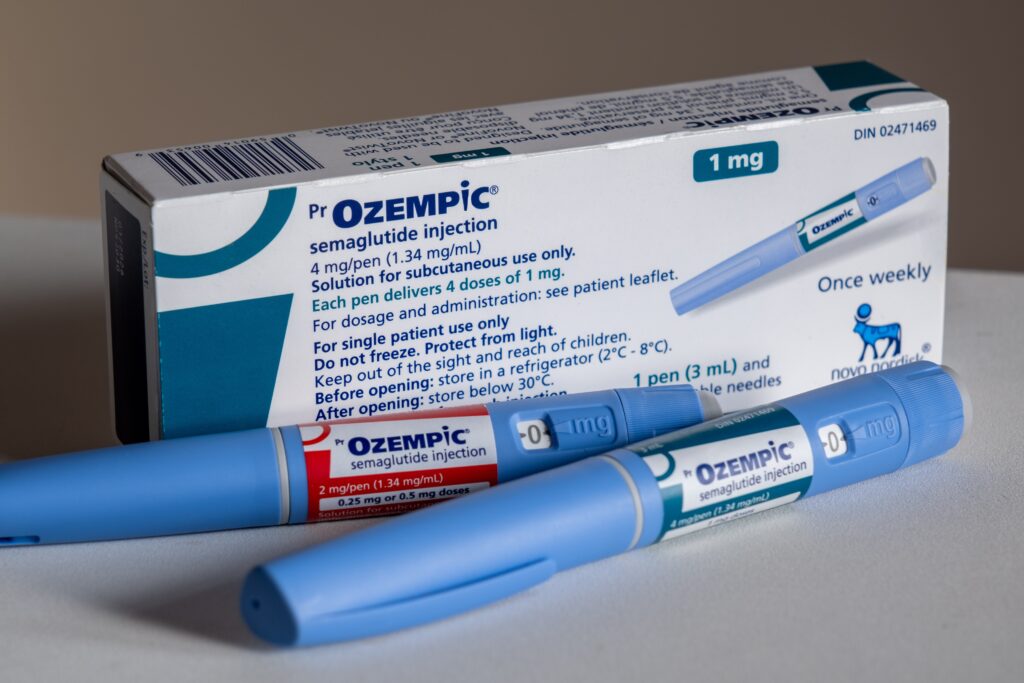
A new wave of lawsuits alleging that widely prescribed GLP-1 receptor agonist drugs, including Novo Nordisk’s semaglutide products Ozempic, Wegovy and Saxenda, as well as Eli Lilly’s Trulicity (liraglutide), can cause serious vision loss has been centralized into a separate federal multidistrict litigation (MDL), marking a second major legal front over the class of medications.
According to reporting by Reuters, US Judicial Panel on Multidistrict Litigation has ordered that dozens of cases claiming GLP-1 drugs led to non-arteritic anterior ischemic optic neuropathy (NAION) be consolidated in the Eastern District of Pennsylvania under US District Judge Karen Marston.

NAION is a rare but severe condition that can reduce blood flow to the optic nerve and result in partial or complete blindness.
Plaintiffs argued successfully that the vision loss cases involve distinct medical issues and evidence from the already consolidated litigation over gastrointestinal (GI) injuries, mainly gastroparesis and related disorders, tied to GLP-1 drugs, for which nearly 3,000 cases are pending.
The panel agreed, creating a standalone multi-district litigation (MDL) for optic injury claims while keeping both actions before the same judge to manage potential overlaps.
The gastroparesis lawsuits were centralized, also before Marston, in 2024. Novo and Lilly wanted the NAION cases to be added to the gastroparesis MDL.
Eli Lilly Cuts Price of Zepbound Vials and Introduces Higher-Dose Options
The lawsuits stem in part from growing concern about potential links between semaglutide- and liraglutide-based medications and NAION.
The risk has been reported in trials, with accumulating, rare instances of optic nerve damage among users, particularly as GLP-1 drugs originally developed for type 2 diabetes are being increasingly used off-label for weight management.
Currently in the US, 30 optic neuropathy lawsuits are pending in federal court and more than 40 in state court.
Makers Novo and Lilly have pushed back, saying risks associated with GLP-1 medications are known, regulated and included in prescribing information, and have urged that all claims be handled within the existing MDL.
However, while GI risks are outlined on the labels of the drugs, the risk of NAION is not included.
Novo and Lilly also noted that altering the drug design, as suggested by some plaintiffs, would require FDA action.
In June, the World Health Organization (WHO) released a statement to alert users about the risk of NAION associated with semaglutide medicines, citing that the frequency of the side effect is classified as “very rare.”
The European Medicines Agency (EMA) has recommended updating the production information for the drugs to include NAION as a side effect.
Novo is also facing legal flak from investors. In August, a single investor, Eric Barta, filed a class action lawsuit in US District Court in New Jersey, alleging that Novo made “false and misleading statements” to understate competition from compounders.













Join or login to leave a comment
JOIN LOGIN