
The generation of clonal cell lines is a fundamental component of the biomanufacturing of protein, cellular and gene therapies. However, single-cell cloning can introduce risks due to low cell viability and potential delays to cell line development workflows, particularly because single cells often fail to proliferate without adequate nutritional support.
This webinar will present insights from a long-term collaboration combining data from multiple independent single-cell cloning studies conducted in a cell line development setting. Together, these case studies show how optimized supplementation strategies can support robust early clonal outgrowth while reducing variability across different cell pools and cloning campaigns.
The featured speakers will focus on what drives reproducible single-cell outgrowth in CHO CLD platforms and how workflow choices influence both performance and consistency. Attendees will gain practical guidance on evolving single-cell cloning strategies to move beyond incremental improvements and toward more reliable, scalable and future-ready CHO cell line development workflows.
Register for this webinar to learn how cell culture supplements can support reproducible CHO clonal outgrowth and reduce variability in cell line development workflows.
Speakers
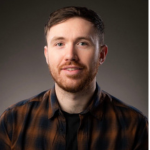
Adam Causer, Global Product Manager, Solentim Portfolio, Nova Biomedical
Adam Causer is a Global Product Manager for the Solentim Portfolio at Nova Biomedical, which includes an ecosystem of instruments that digitalize and automate CLD workflows. Prior to starting this role, he worked in Application Sciences at both Scienion and Advanced Instruments, specializing in precision dispensing and single-cell isolation for diagnostic test development and CLD, respectively.
Adam’s early career included being a Postdoctoral Researcher that oversaw the day-to-day management of Cancer Research UK (CRUK), National Institute for Health Research (NIHR) and university-funded research projects. For these projects, he used a combination of basic science and physiological techniques to investigate the benefits of exercise on health, disease and pharmaceutical treatments. These techniques included cell culture, live cell imaging, flow cytometry, cell killing assays and multiplex protein quantification.
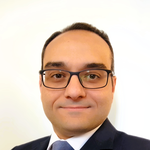
Mohammed Al-Bader, Business Development & Marketing Manager, UGA Biopharma
Mohammed Al-Bader is a Business Development and Marketing Manager at UGA Biopharma, where he focuses on promoting and supplying advanced CLD services new biological entities and biosimilars. He plays a key role in supporting UGA’s portfolio, including the R2U cell lines designed for blockbuster biosimilar production, as well as the CHO Prime® media and feed platform.
Through his academic journey, Mohammed developed strong hands-on expertise in mammalian cell culture, molecular cloning, and recombinant protein expression. He combines this technical background with a strategic business perspective to drive growth and innovation in the biopharmaceutical sector.

Dorothee Düsterhöft, Associated Scientist, Cell Line Development, UGA Biopharma
Dorothee Düsterhöft is an Associate Scientist in Cell Line Development at UGA Biopharma, where she develops cell lines (CHO) for therapeutic drug candidates used in commercial manufacturing. Her work focuses on optimizing single cell cloning through systematic evaluation of cloning supplements, implementing high throughput approaches, and applying quality and regulatory principles for monoclonality assessment. She also designs data driven experiments to accelerate CLD timelines.
Prior to joining UGA Biopharma, Dorothee worked in functional genomics at the Max Planck Institute for Evolutionary Anthropology, where she improved gene editing efficiency in human stem cells using prime editing strategies. She holds an M.Sc. in Biochemistry from the University of Leipzig, and a B.Sc. in Biochemistry from the University of Greifswald.
Who Should Attend?
This webinar will appeal to:
- Cell Line Development Scientists in CDMO or biopharmaceutical organizations
- Early Upstream Process Development Scientists and Engineers
- CLD Group Leaders, Laboratory Managers and Heads of Cell Line Development
- Teams responsible for establishing, optimizing or scaling single-cell cloning workflows in CHO
What You Will Learn
Attendees will gain insight into:
- Key challenges associated with single-cell cloning and early clonal outgrowth in CHO cell lines
- Strategies to support robust single-cell survival and early clonal expansion
- Common sources of variability in cloning workflows and approaches to reduce pool-to-pool inconsistency
- Considerations when transitioning single-cell cloning workflows toward chemically defined, regulator-ready environments
Xtalks Partner
Nova Biomedical
Advanced Instruments and Nova Biomedical are now doing business under the same brand, bringing together decades of expertise in analytical instrumentation, R&D, and global customer support. The Solentim® ecosystem is now part of Nova Biomedical’s portfolio, providing best-in-class imaging and single-cell deposition technologies for cell line development workflows and assurance of clonality for regulatory bodies.
Related Webinars

You Must Login To Register for this Free Webinar
Already have an account? LOGIN HERE. If you don’t have an account you need to create a free account.
Create Account