

Optimizing Line Setup to Reduce Interventions and Breakage
 AI Webinar Explorer now available for enhanced on-demand viewing
About this webinar
Pharmaceutical filling and packaging lines can expose vials and other containers to excessive forces that are not always visible through routine inspection. Without objective force measurements, teams may struggle to determine whether line setup is optimized, whether conditions have changed after maintenance or changeover and where excessive pressure is occurring when container damage arises.
This webinar explores four real production studies showing how force data can be used to evaluate line setup, investigate line performance and establish measurable baselines.
Force evaluations are often performed after a problem has already occurred, when teams must reconstruct what happened from limited evidence. Capturing force data while a line is performing as expected provides a baseline that can be used for comparison after changeovers, maintenance intervals and new container formats. This approach can help identify changes in line conditions, support faster setup and reduce unnecessary interventions.
The featured speakers will examine four applications of force measurement across live production lines. Attendees will learn how force data can strengthen root cause investigations, compare pressure responses across line setup configurations and support more objective changeover decisions. The session will also explore how forces occur beyond filling across primary packaging, secondary packaging and blister operations.
Force data can also support factory acceptance testing (FAT), site acceptance testing (SAT) and ongoing equipment monitoring. Establishing acceptable force ranges during FAT creates a reference point that can be reassessed during SAT and after maintenance to determine whether line conditions have shifted or drifted over time.
Attendees will review actual study data and reports from production environments and learn how force measurements can support line setup decisions, investigations, packaging operations and baseline development.
Register for this webinar to learn how line setup can be evaluated using force data to reduce interventions, improve changeover decisions and identify potential sources of container breakage.
Who should attend
- Manufacturing Engineer, pharmaceutical packaging and filling
- Packaging Line Owner and Line Lead
- Validation and Qualification Engineer, FAT/SAT and commissioning
- Maintenance and Reliability Engineer
- Continuous Improvement and Operational Excellence Lead
- Process Engineer and MS&T
- Global Engineering and Technical Operations
- Quality Assurance and Quality Engineering
- Site Engineering Manager and Plant Manager
What you will learn
- How force data can strengthen root cause investigations by providing measurement rather than relying solely on reconstruction
- How to compare pressure response across setup configurations and settle changeover with data rather than judgment
- Where forces show up beyond filling, across primary packaging, secondary packaging and blister lines
- How to use force data at FAT and SAT to agree acceptable ranges with vendor and confirm nothing has drifted after maintenance
Featured Speaker
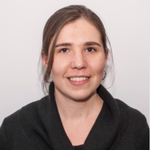
Charlotte Gillium
Charlotte has spent twelve years in pharmaceutical operations, starting in Montreal and now based in Ireland. For the past five years she has run force studies with SmartSkin technology across multiple drug product sites, supporting investigations, changeover optimization, maintenance verification and equipment acceptance. She captured every image and dataset in this session herself, on live lines.
Partner for this event

SmartSkin Technologies
SmartSkin Technologies delivers manufacturing intelligence for pharmaceutical operations. Digital Container Twins travel the line exactly as your product does, measuring the pressure, shock, rotation, and tilt your containers actually experience, then surfacing that data so teams can identify risk, verify setup, and prevent defects across fill-finish and packaging.