
Weight loss is complex. Traditional metrics like kilograms lost and BMI tell only part of the story. The next era of obesity trials demands evidence that goes underneath the lost kilos, evidence that differentiates therapies, informs regulators and ultimately transforms patient outcomes.
Changes in body composition, especially those related to muscle, have become increasingly important for accurately interpreting treatment effects during weight loss. For example, loss of muscle fat should not be mistaken for loss of muscle volume, and preserving muscle volume should not be misinterpreted as a lack of weight-loss efficacy. Specific muscle composition changes can also have different effects on metabolic health, physical function and clinical outcomes.
In this webinar, the featured speakers will discuss and explore the muscle dimension of weight loss, addressing key questions like:
- What are the different components of muscle composition and why are they biologically, clinically and functionally relevant to study?
- Which techniques and methodologies are available (e.g. MRI) for assessing muscle composition and which one should I use in my clinical trial?
- Why are regulatory authorities interested in and what is meant by muscle preservation?
The webinar will also explore imaging-based muscle endpoints, functional tests that can enhance current understanding of treatment effects and how these translate to clinical trials and drug development in obesity, metabolic disease and other conditions.
Register for this webinar to learn more about muscle composition, preservation and function in weight loss.
Speakers

Niels Jessen, Head of Research, Steno Diabetes Centre, Aarhus
Niels Jessen has investigated the effects of physical exercise on insulin resistance, a key element of the pathogenesis of type 2 diabetes, with a sustained focus on skeletal muscle as a central metabolic and functional organ. He has contributed to the mechanistic understanding of how exercise modulates insulin sensitivity and skeletal muscle physiology, and he has contributed to the mechanistic understanding of diabetes-associated skeletal muscle remodelling, including evidence that type 2 diabetes is linked to fibro-fatty degeneration and extracellular matrix remodelling. He has also contributed to the synthesis of current concepts on impaired skeletal muscle regeneration in diabetes and during aging.
He has published more than 200 scientific papers on diabetes and skeletal muscle physiology. He is a member of the Danish Research Council and has been awarded several prizes, including the Elite Researcher Award by the Danish Research Council in 2019, and the Schwartz-Sørensen Prize by the Danish Endocrine Society in 2013.

Tim Heise, Chief Scientific Officer, Profil
Dr. Tim Heise is the Chief Scientific Officer and Chairman of the Board of Directors of the private research institute, Profil, in Neuss, Germany. Founded in 1999 by Tim and Dr Lutz Heinemann, Profil became known as the premier source of solutions to the challenging early phase studies of experimental diabetes and obesity treatments often using sophisticated methodology like the glucose clamp technique in combination with isotope dilution, biopsies and/or indirect calorimetry.
He has led numerous studies in people with type 1 or type 2 diabetes, obesity, pre-diabetes and insulin resistance. His research focus is the pharmacological properties of antidiabetic and weight-loss drugs, in particular, novel insulin preparations and incretin-based therapies. In addition, his study team at Profil has gained an outstanding reputation for evaluating medical devices.
Before establishing Profil, Tim worked for more than 7 years at the Clinic for Nutrition and Metabolic Diseases at the Heinrich-Heine-University Düsseldorf (Head Prof. Michael Berger). During this time, he was responsible for the diabetes and obesity outpatient clinics and cared for patients in structured teaching and treatment programs for type 1 and type 2 diabetes. He has published more than 250 scientific papers and reviews. Tim is a member of the Editorial Boards of Diabetes, Obesity and Metabolism, and Diabetes Technology & Therapeutics.
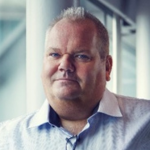
Lars Johansson, Chief Scientific Officer, Antaros Medical
Lars Johansson holds a PhD in Translational Imaging from Uppsala University and is recognized as a leading expert in metabolic imaging, particularly in understanding how metabolic dysfunction affects organs and tissues throughout the body. With more than 35 years of clinical imaging experience in cardiometabolic and renal disease and over 25 years in the pharmaceutical industry, he brings deep scientific and drug development expertise to the field.
Before co-founding Antaros Medical, Lars was a Senior Principal Scientist at AstraZeneca R&D, where he contributed to the development and application of innovative imaging endpoints in clinical trials. In his current role as Chief Scientific Officer at Antaros Medical, he leads the science and design of clinical studies using MRI, DXA and PET. His work continues to advance how imaging is used to understand disease mechanisms and how weight loss induced with therapeutic interventions affects organs and tissues throughout the body.
He has authored over 180 peer-reviewed publications and several book chapters on imaging in drug development, establishing him as a respected voice in advanced imaging methodologies.
Who Should Attend?
This webinar will appeal to:
- Drug Developers
- Clinical Researchers
- Clinical Development
- Clinical Operations
- Clinical Project leaders
- Medical/Scientific leads
What You Will Learn
Attendees will learn:
- Why and when it is relevant to look at muscle composition and functional changes during weight loss in clinical trials
- The various techniques and methodologies that are available for assessing body and muscle composition, and their strengths and weaknesses
- How to look at and interpret muscle changes, and consider differences related to patient characteristics or conditions.
Xtalks Partner

Antaros Medical
Antaros Medical is a clinical imaging partner that brings together advanced imaging science and deep expertise in drug development and disease biology. We design and deliver clinical trials that provide the clarity, confidence, and differentiation pharmaceutical companies need to advance successful therapies.
Through global collaborations and a worldwide clinical setup spanning obesity, metabolic, fibrotic, and inflammatory diseases as well as neuroscience, we deliver critical insights from early development through late-stage trials. Our imaging capabilities span MRI, PET and DXA.
Headquartered in Sweden with a U.S. subsidiary, our operational and scientific teams drive method innovation and robust trial execution, ensuring evidence based decisions in drug development.
You Must Login To Register for this Free Webinar
Already have an account? LOGIN HERE. If you don’t have an account you need to create a free account.
Create Account