
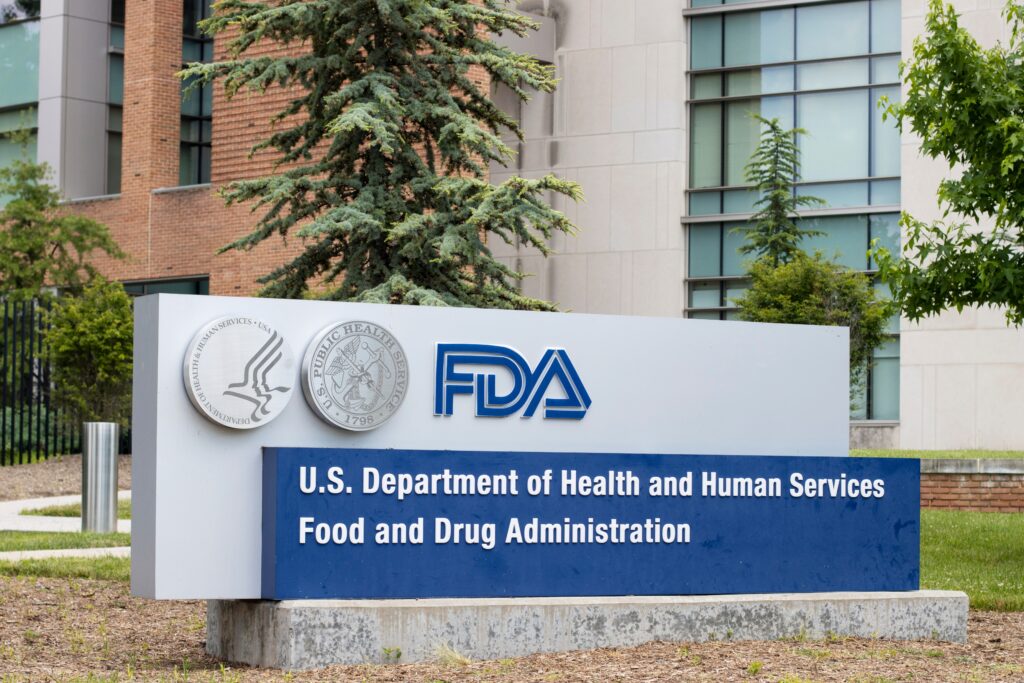
The FDA is changing the way real-world evidence (RWE) can be submitted in the review of certain medical device submissions, opening the door to more submissions.
The FDA’s new policy, announced in updated guidance on December 15, 2025, allows sponsors to submit RWE without patient identification data. This means data derived from massive de-identified databases can be submitted without needing patients’ identifiable health information.

This change marks a significant departure from the agency’s previous expectation that RWE submissions include private and confidential identifiable patient-level data in order to trace the health outcomes of individual patients
The FDA said it similarly intends to consider updating its guidance for drugs and biologics.
RWE refers to clinical insights generated from data collected outside traditional randomized controlled trials, such as electronic health records (EHRs), insurance claims, disease registries and other large healthcare databases. Historically, RWE has been used primarily for post-market safety surveillance and, on a more limited basis, to support effectiveness claims.
Related: FDA Finalizes Guidance on Promotional Labeling and Advertising for Biologics and Biosimilars
Under the earlier regulatory approach, sponsors faced practical and legal hurdles in submitting RWE because many RWD sources could not share identifiable patient data due to privacy laws or data governance constraints. This approach makes it impractical to use most large databases with valuable macro-level data, the FDA explained.
This restriction effectively excluded many datasets, including national registries and aggregated hospital system records, from consideration during product review.
According to the FDA, since 2016, the agency said only 35 drugs, biologics or vaccines incorporated RWE in their submissions.
Adoption has been broader in medical devices though, with more than 250 premarket authorizations relying on RWE over the same period, according to the agency, though even device-related use has leveled off in recent years.
In the new framework, FDA reviewers will evaluate the quality, relevance and strength of submitted RWE on a case-by-case basis, focusing on scientific validity over the presence of identifiable variables.
According to FDA Commissioner Marty Makary, MD, MPH, the updated policy “removes unnecessary barriers that have prevented us from using powerful real-world evidence to get life-changing treatments to patients faster.”
The FDA said the policy change opens the door to using de-identified databases containing millions of patient records.
The agency cited national cancer registries like the National Cancer Institute’s Surveillance, Epidemiology, and End Results (SEER) program that track diverse patient outcomes at scale, as well as hospital systems databases, insurance claims databases and EHRnetworks, as resources that have “grown exponentially but remained limited for use under previous FDA policy. These comprehensive datasets track patient outcomes across diverse populations and real-world treatment settings, offering insights that traditional clinical trials cannot capture.”















Join or login to leave a comment
JOIN LOGIN