
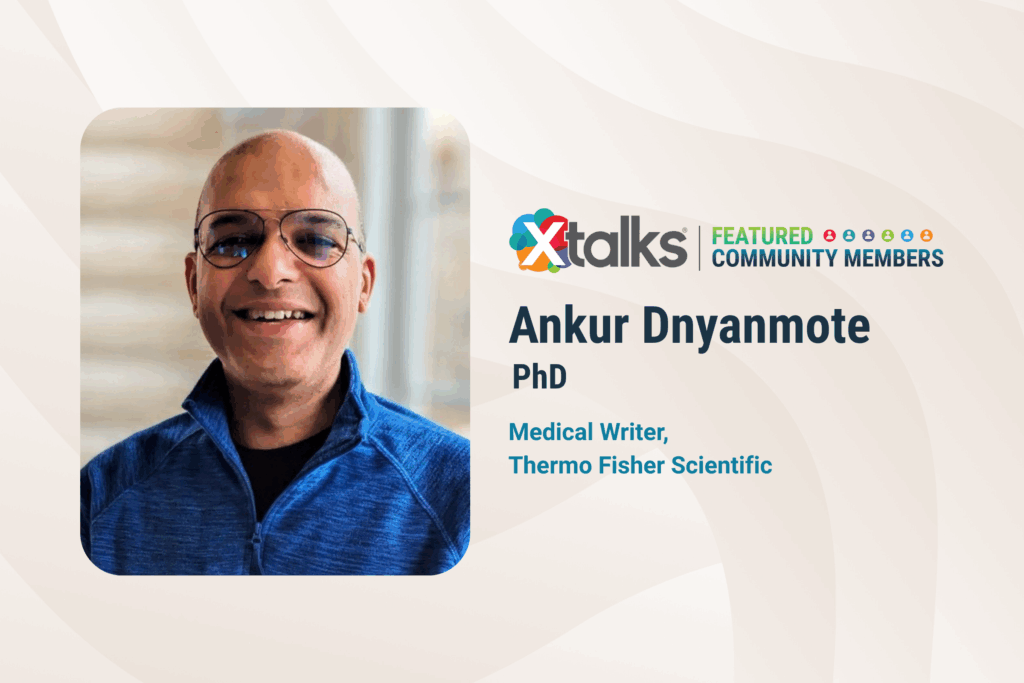
Say hello to Xtalks Featured Community Member Dr. Ankur Dnyanmote, Medical Writer at Thermo Fisher Scientific, who has journeyed from toxicology and developmental biology to the frontier of AI-driven medical writing. Read his perspective on integrating generative AI into regulatory documentation and how technology is reshaping scientific communication.
What Are Your Proudest Life Science Achievements?
I spent about 20 years in basic life sciences, starting with a PhD in Toxicology, to doing postdoctoral work in embryonic morphogenesis. It was during my postdoctoral work that I first encountered supervised neural networks (circa 2007) as our group collaborated with computational biologists to lay out signaling pathways from vast repositories of gene expression data underlying embryonic kidney development. I returned briefly to do research in the developmental origins of kidney diseases by moving to Halifax, Canada, in 2018.
What Are Your Day-to-Day Job Highlights?
In my current role, I’m an AI steward who is passionately involved in the adoption and development of generative AI in developing regulatory documents for clinical trials. Today, I’m deeply involved with innovating and educating about generative AI applications in medical writing.
What Are Your Favorite Life Science Innovations?
The rapid advent of AI since November 2022, organically intersected with my interdisciplinary career trajectory. My interest in science, my experience in bioinformatics and computational biology, and my passion for language and communication have thus fortuitously converged at this point in my career. I find the intersection between computer science and biology as one of the most exciting interdisciplinary developments in life science research.
What Is Your Vision for the Future of the Industry?
AI has reached a turning point, creating far-reaching effects across industries, societies and economic systems. To meet these rapidly evolving challenges and opportunities, unique human qualities like creativity, adaptability and the ability to seamlessly transition between generalist and specialist roles will become increasingly valuable. I foresee either significant progress in these areas, particularly in scientific and cultural development, or initial struggles in adapting our mindsets. To be honest, the pace of change is so rapid that it’s difficult to accurately predict the future.
Apply Yourself or Nominate a Peer
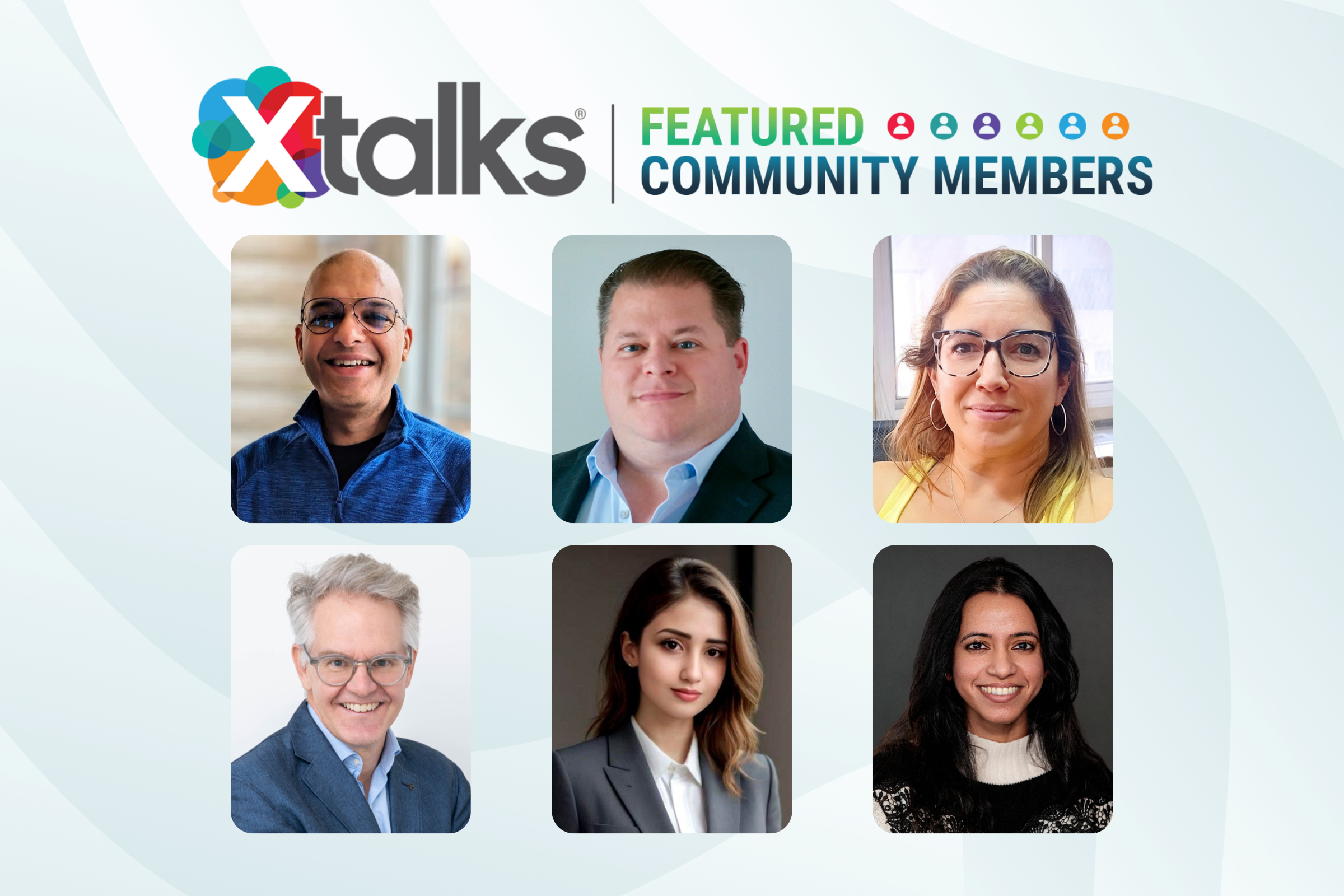
Do you know someone doing incredible work in the life sciences? Or perhaps you’re proud of your own journey and want to inspire others? We’d love to hear from you.
You can apply to be an Xtalks Featured Community Member or nominate a colleague through our simple online form. It takes just a few minutes, and it could open doors to new conversations, partnerships and recognition across the industry.
Let’s celebrate the people driving life sciences forward, one story at a time.




Join or login to leave a comment
JOIN LOGIN