
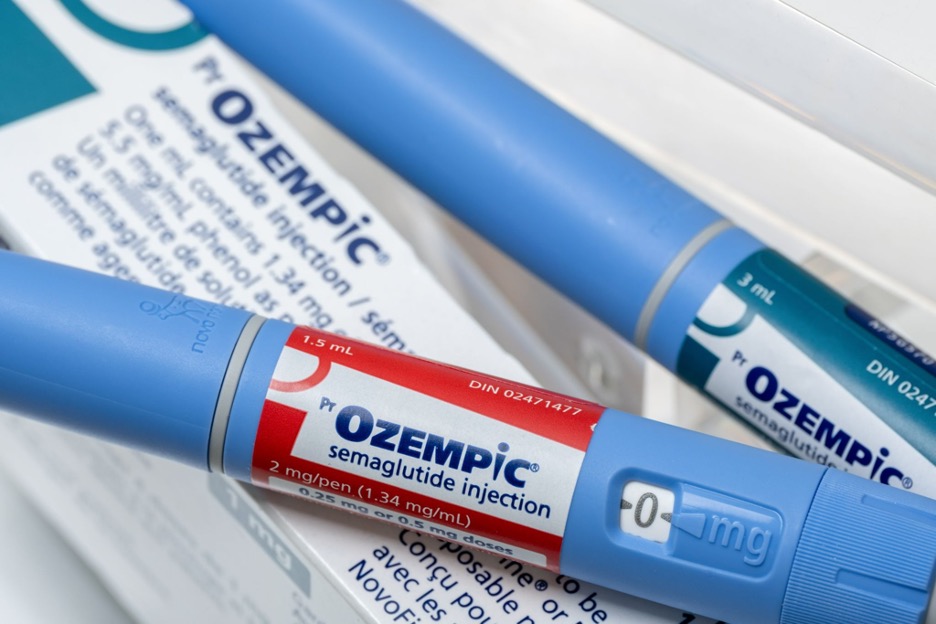
Canadian generics maker Apotex Corp. has become the first company to secure FDA tentative approval for a generic version of Ozempic (semaglutide injection), marking a key first in the blockbuster GLP-1 landscape.
The approval covers an Abbreviated New Drug Application (ANDA) developed in partnership with Orbicular Pharmaceutical Technologies.

The tentative nod confirms that Apotex’s generic semaglutide meets the FDA’s standards for quality, safety and efficacy. However, it does not yet permit commercialization, as patent protections and regulatory exclusivities tied to the reference product remain in place.
The development positions Apotex at the forefront of what could become a highly competitive, and potentially disruptive, generic GLP-1 market.
Semaglutide, a long-acting glucagon-like peptide-1 (GLP-1) receptor agonist, has seen explosive uptake due to its efficacy in glycemic control, weight loss and cardiometabolic risk reduction, driving multibillion-dollar revenues for originator companies Novo Nordisk (maker of semaglutide products Ozempic and Wegovy) and Eli Lilly (the pharma giant behind the tirzepatide products Mounjaro and Zepbound).

In a press release, Apotex said the semaglutide injection program with Orbicular was a result of “sophisticated development capabilities, including advanced analytical characterization and deep process understanding.”
The company also said the tentative approval “underscores the strength of Apotex’s global development model and its ability to deliver complex generics that meet rigorous regulatory requirements.”
Still, industry observers caution that manufacturing complexity and scalability constraints may limit the speed and magnitude of price erosion once generics eventually reach the market.
The approval comes amid ongoing concerns over the affordability and availability of GLP-1 therapies in the US, where high demand and intermittent shortages have strained access.
Apotex said the approval is part of its broader strategy to expand access to high-value medicines, noting that its semaglutide product could help “broaden patient access” once final approval is granted.
The potential impact on GLP-1 drug pricing could be significant. Some early projections suggest generic competition may eventually drive dramatic cost reductions in the category, although the timeline remains uncertain due to patent barriers.
Alongside Apotex, a growing cohort of manufacturers is advancing generic or follow-on versions of semaglutide and tirzepatide. Companies such as Zydus Lifesciences and Biocon are among the most active, with programs targeting semaglutide launches across emerging markets and longer-term entry into regulated markets once exclusivities lift.
In March, Zydus and fellow India-based drug company Lupin struck a licensing and supply agreement to co‑market semaglutide injections in the country ahead of the drug’s patent expiry.
Related: Novo Nordisk and Hims & Hers Bury the Hatchet and Partner to Expand Access to Ozempic, Wegovy
In December 2025, Indian companies Biocon and Ajanta signed an out-licensing agreement to market their vertically integrated semaglutide, meaning one company controls multiple stages of the supply chain, from raw material sourcing and manufacturing to distribution and pharmacy dispensing.
Several Chinese firms, including HuaDong Medicine and Innovent Biologics, are also building peptide manufacturing and GLP-1 portfolios that could support future competition. Innovent is developing a proprietary GLP-1/glucagon dual-receptor agonist called mazdutide, which was found to significantly outperform semaglutide in a head-to-head Phase III (DREAMS-3) trial last year, achieving superior blood sugar control and greater weight loss in patients with type 2 diabetes and obesity.
On the tirzepatide front, while true generics are further behind due to more recent approvals and patent coverage, global players are already investing in manufacturing capabilities and early development work to position for eventual entry.













Join or login to leave a comment
JOIN LOGIN