
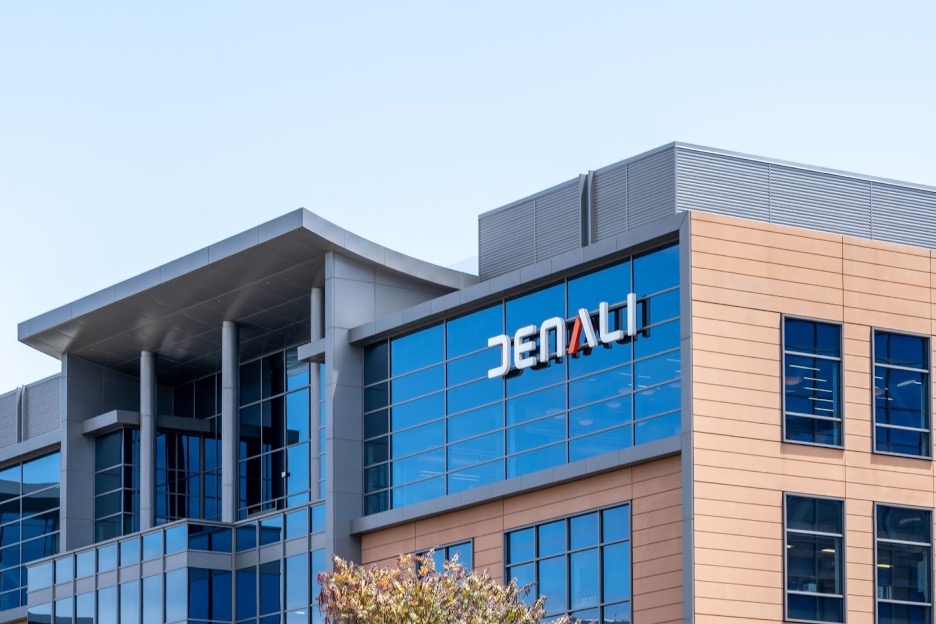
The FDA has approved Denali Therapeutics’ Avlayah (tividenofusp alfa-eknm) for the treatment of neurological manifestations of Hunter syndrome.
Avlayah is the first new FDA-approved treatment option in nearly 20 years for the rare lysosomal storage disease.

The drug is also the first treatment designed to address the disease’s impact on the brain, an area long untouched by existing therapies.
And it’s a first for Denali as well, with Avlayah becoming the company’s first-ever approved medicine.
Denali faced a delay from the FDA in securing the approval, with the decision deadline pushed back from January 5 to April 5. Now, the company is set to launch the medicine promptly.
Hunter syndrome, also known as mucopolysaccharidosis type II (MPS II), is a rare genetic disorder that primarily affects boys. It affects approximately 500 individuals in the US with symptoms that include developmental delays, behavioral irregularities and cognitive decline.
It is caused by a deficiency in the enzyme iduronate-2-sulfatase (IDS), which is needed to break down complex sugar molecules, leading to their accumulation throughout the body and brain. Over time, this buildup results in organ damage, developmental delays, and, in many cases, progressive cognitive decline.
While enzyme replacement therapies have been available for years, they have been limited in scope. Since 2006, Takeda Pharmaceutical’s Elaprase (idursulfase) has remained the standard of care. It is used to treat the physical symptoms of the disease but cannot cross the blood-brain barrier, leaving neurological symptoms unaddressed.

Avlayah is an enzyme replacement therapy administered via weekly infusion, with the key innovation of being able to cross the blood-brain barrier. This enables the drug to target both systemic and neurological aspects of the disease, including in pediatric patients who are either presymptomatic or already showing signs of cognitive involvement.
The drug was developed using Denali’s blood-brain barrier “shuttle” technology, TransportVehicle, a proprietary modular platform that enables the delivery of enzymes, oligonucleotides and antibodies across the blood-brain barrier after systemic administration.
The approach, also pursued by rivals like Roche and AbbVie, uses iron transport pathways to ferry drugs into the brain.
Denali now has five clinical programs using the platform, spanning Alzheimer’s disease, Parkinson’s disease and Sanfilippo syndrome type A.
The approval was granted under the FDA’s accelerated approval pathway and is based on reductions in heparan sulfate, a toxic sugar molecule that accumulates in patients and is associated with disease progression.
The approval was based on data from an open-label Phase I/II trial with 47 male participants. Avlayah normalized levels of the surrogate biomarker heparan sulfate and also reduced levels of a marker of neuronal injury.
Additionally, patients were observed to maintain behavior, cognition and hearing skills. Results of the study have been published in The New England Journal of Medicine (NEJM).
“The FDA approval of Avlayah represents a breakthrough advance as the first therapeutic innovation for the Hunter syndrome community in nearly 20 years,” said Joseph Muenzer, MD, PhD, Lead Investigator of the Avlayah Phase I/II clinical trial, Director of the Muenzer MPS Research and Treatment Center and the Bryson Distinguished Professor in Pediatric Genetics at the University of North Carolina at Chapel Hill, in a news release from Denali.
“The neurologic manifestations of Hunter syndrome, which affect nearly all patients, have been one of the most challenging and persistent medical needs for the community and a central focus of many years of scientific research. As the first FDA-approved, brain-penetrant medicine for Hunter syndrome, Avlayah will substantially change how we treat patients and has the potential to become a new standard of care.”

Improve Recruitment Outcomes Through More Diverse Clinical Trials
Denali’s win comes after the FDA rejected Regenxbio’s Hunter syndrome gene therapy RGX-121, citing trial design issues and concerns over its use of a single heparan sulfate biomarker.
Analysts had seen Denali as better positioned, pointing to stronger data, including multiple biomarker measurements and longer follow-up, and a different review pathway. Still, the rejection raised doubts about whether the FDA would accept heparan sulfate as a surrogate endpoint, according to reporting by Fierce Pharma and Reuters.
But the FDA settled that with the approval, citing cerebrospinal fluid heparan sulfate levels in granting accelerated approval, a move analysts say could reshape rare disease drug development.
Laura Chico, an Analyst at Wedbush, told Reuters that the approval is a positive for other programs using surrogate endpoints.
The decision also comes amid broader backlash over recent FDA rejections of rare disease therapies, which have drawn criticism from industry, clinicians and patient advocates, including protests led by the National MPS Society outside the FDA.
Vinay Prasad, former Director of the FDA’s Center for Biologics Evaluation and Research (CBER), is expected to leave the agency a second time in April amid ongoing controversy and internal tensions following a series of high-profile regulatory decisions. After resigning as CBER head in July 2025, he was reinstated two weeks later as the agency’s Chief Medical and Scientific Officer despite controversy around the termination of a treatment for Duchenne muscular dystrophy.
He has been a vocal skeptic of surrogate endpoints, particularly in accelerated approvals, arguing they often lack reliable links to real clinical benefit and continues to demand placebo-controlled trials, even in rare diseases that have small patient populations. He has though, at times, supported their limited use in rare diseases.
His latest exit follows a fresh wave of public clashes between the FDA and drugmakers.
Related: Zycubo Wins FDA Approval as First Treatment for Children With Menkes Disease
“Avlayah is the first product approved to address neurologic complications of Hunter syndrome,” Tracy Beth Høeg, MD, PhD, Acting Director of the FDA’s Center for Drug Evaluation and Research (CDER), said in the FDA press release. “This accelerated approval was based on a surrogate endpoint: reduction of cerebrospinal fluid heparan sulfate, which the review team determined was reasonably likely to predict Avlayah’s clinical benefit.”
Continued approval will depend on confirmatory clinical trial data demonstrating real-world clinical benefit.
The therapy carries a boxed warning for severe allergic reactions, necessitating the need for careful monitoring during treatment.
“The approval of Avlayah is a new era for the Hunter syndrome community as we deliver the first FDA-approved therapy designed to cross the brain’s protective barrier for individuals and families living with this debilitating disease. This approval reflects the determination and partnership of the MPS community, as well as the FDA’s collaborative engagement to incorporate biomarker evidence to help accelerate the development of urgently needed treatments,” said Ryan Watts, PhD, Co-Founder and Chief Executive Officer of Denali Therapeutics.
“This milestone validates our TransportVehicle platform and its potential to overcome the long-standing challenge of delivering biologic medicines across the blood-brain barrier, with the aim to transform the treatment of a wide range of neurodegenerative diseases, lysosomal storage disorders and other serious diseases that impact millions worldwide.”
Denali has set the list price for Avlayah at approximately $5,200 per vial, with the drug expected to become available in the US shortly following approval.












Join or login to leave a comment
JOIN LOGIN