
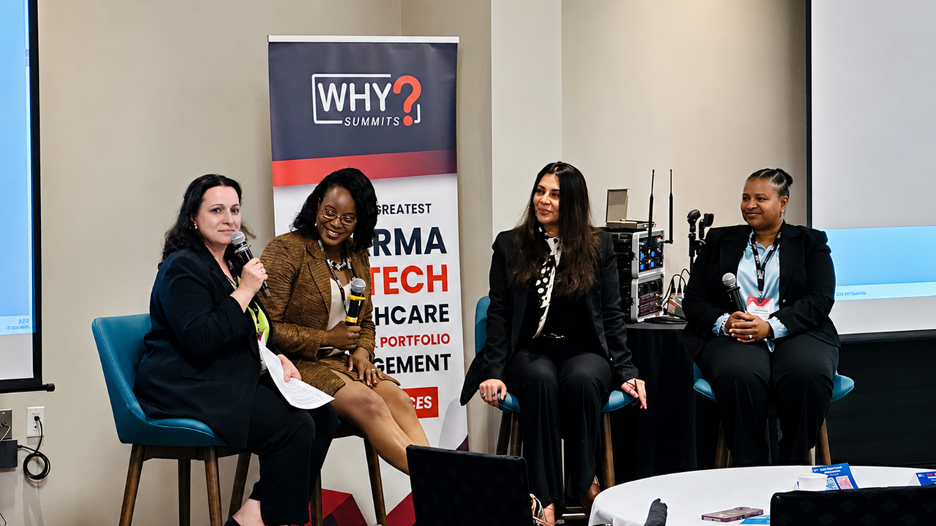
The two-day Summit brought pharma, biotech, generics and biosimilar leaders together to discuss portfolio strategy, regulatory change, AI tools and Canada’s role in global planning.
On a blustery but sunny day in Mississauga, the usual polish of a pharma industry meeting gave way to something more candid and practical. Inside the Four Points by Sheraton Toronto Mississauga, more than 80 leaders from global pharma companies, generics manufacturers and emerging biotechs gathered for Why Summits’ PPM Summit Toronto 2026.
While “project, program and portfolio management” (PPM) might sound like dry office jargon, it functions more like the strategic control room of a drug company. It is the process of deciding which medicines, assets and projects are worth the years of research, funding and cross-functional effort, and which ones may need to be paused, changed or stopped to save resources.
For two days, the conference hall was alive with hallway conversations, roundtable discussions and the hum of experts working through real-world problems. As a media partner, Xtalks had a close look at these discussions, moving beyond carefully worded corporate updates to see how teams think through the pressure of execution.
Strategy Under Pressure: Why PPM Matters in Canada
The Summit focused on how companies can make better portfolio decisions in a tougher Canadian market.
The agenda pointed to several pressures shaping the sector, including the Patented Medicine Prices Review Board (PMPRB), pharmacare discussions, pricing pressure, global supply risk and fast-moving science.
PMPRB and pharmacare can affect how medicines are priced, reimbursed and planned for launch in Canada, making them important considerations for portfolio teams deciding where to invest time, budget and resources.
PMPRB reported that patented medicine sales in Canada reached $22.1 billion in 2024, accounting for about 47% of all medicine sales. Pharmacare discussions also remain active in Canada, with federal agreements currently covering contraception and diabetes medications in some participating provinces and territories.
Health Canada has also proposed a Ministerial Reliance Order that would let the agency use decisions and documents from trusted foreign regulators when reviewing certain drug submissions. This could help avoid duplicating parts of a review that another regulator has already completed, while Health Canada would still be responsible for assessing safety, efficacy and quality for the Canadian market.
Inside the Agenda: Resilience, Data and Decision Quality
The Summit’s agenda was built on three pillars: staying resilient in a changing market, making smarter decisions and understanding Canada’s place on the world stage. While most people think of a “portfolio” as a collection of stocks, in the pharmaceutical world, it refers to the medicines, assets and projects a company chooses to develop, launch, pause or stop.
The first day focused on how to keep these portfolios steady despite shifting regulations and market pressures. Sessions explored “regulatory reliance,” a way for Canada to potentially streamline some drug reviews by using decisions and documents from trusted international regulators. The agenda also looked at how tools like AI and Power BI can help teams move from static reports and slide decks to more real-time portfolio views.
By the second day, the conversation shifted to the high-stakes reality of execution under pressure. This is where abstract planning meets the real world, forcing companies to decide when to abandon, pivot or double down on a specific drug project or product strategy.
The final sessions also placed Canada within the larger global pharma and biotech ecosystem, where local partnerships, clinical trials and manufacturing plans must connect with broader worldwide strategy to bring treatments to market.
Get industry leading pharma and biotech news, events and expert insights delivered to your inbox.

Why Portfolio Choices Are Getting More Complex
The Summit underscored Canada’s growing role as a global hub for medical science.
In 2026, Canada became the first G7 country to approve a generic version of semaglutide, the active ingredient in Ozempic. Health Canada said many generic medicines in Canada are 45% to 90% cheaper than brand-name versions. For companies bringing these products to market, launch planning can involve supply chains, stakeholder communication and market timing, not just a regulatory green light.
The same complexity applies to biosimilars, which are highly similar versions of biologic drugs that have already been authorized. The recent Canadian launch of Sandoz’s Enzeevu, an aflibercept biosimilar used in retinal disease, shows how portfolio planning can extend beyond a single regulatory milestone. Teams may need to coordinate medical education, access planning, supply and commercial timing as biosimilars move from approval to market.
This kind of planning is also reflected in local investment and manufacturing scale.
AstraZeneca’s $820 million CAD (around $570 million) commitment to the Greater Toronto Area is expected to create more than 700 high-skilled jobs and support more than 210 global clinical studies. Sanofi’s $294 million investment in Toronto, meanwhile, is expected to create 50 new jobs and expand the company’s Artificial Intelligence Centre of Excellence, supporting AI, machine learning and pharmaceutical data science capabilities in Ontario.
Whether the company is a global pharma firm or a Canadian-owned manufacturer, the examples reveal that portfolio management is one of the industry’s key operating engines.
Xtalks On Location: Speakers Share Their Thoughts
Xtalks had the opportunity to serve as a Media Partner for the Summit and to gain candid insights from the speakers.
Aldon Gomes, PhD, PMP, Associate Director, Global Operations at Apotex, pointed to the breadth of the program. “I think when I looked at the agenda, it was so well-balanced across alliance management, across project management and the regulatory piece,” he said.
AI was one of the main tools discussed at the Summit to help portfolio choices. Narinder Verma, Project Manager, External Projects at Bausch Health Companies, described the room as “full of experts” and pointed to AI as an area where pharma teams are looking to build knowledge.
Julie Seïde, Director, Government Affairs at Pharmascience, also highlighted the practical side of AI adoption. She said one of the exciting areas was learning “how to leverage AI specifically in the portfolio,” while noting that some teams are still skeptical but are beginning to see its potential value in day-to-day work.
For Shahnaz Begum, MEng, PMP, Director, Engineering Leader, Strategic Projects at Sanofi, the conference offered a way to look beyond individual project tracking. She pointed to the need to understand “data across the portfolio, as opposed to individual projects.”
Christian Ouellet, MBA, Adm.A., Vice President, Corporate Affairs at Sandoz, brought the discussion back to launch complexity. He noted that bringing new products to market is becoming more complex, especially when in-licensing partners are involved.
From regulatory reliance to real-time portfolio data, PPM Summit Toronto 2026 showed how pharma and biotech teams are managing complex decisions in a changing Canadian market.
If you want your company to be featured on Xtalks.com, please email [email protected].













Join or login to leave a comment
JOIN LOGIN