
For decades, researchers have explored whether type 1 diabetes could be treated by replacing the insulin-producing cells lost to autoimmune disease. Islet transplantation is one of the most established approaches, using donor-derived pancreatic islets to help restore the body’s ability to produce insulin.
But despite major clinical progress, the procedure is still not broadly available. Two major barriers remain: patients typically need long-term immunosuppression to prevent rejection, and donor-derived pancreatic islets are limited in supply.
Those challenges are shaping the next phase of diabetes cell therapy, as researchers work to improve immune protection, develop more durable transplant strategies and explore scalable sources of insulin-producing cells.
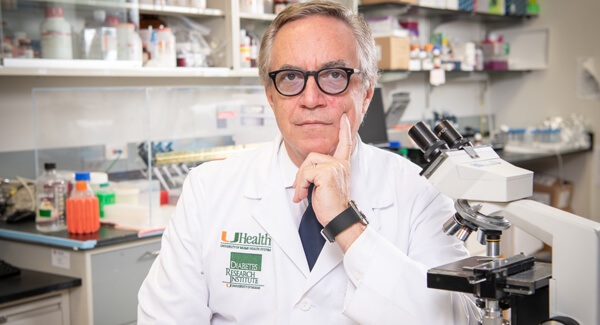
Professor and Director of the Cell Transplant Center
Director Emeritus of the Diabetes Research Institute
University of Miami
To explore where the field stands today and what could meaningfully change patient access, Xtalks spoke with Camillo Ricordi, MD, Professor and Director of the Cell Transplant Center and Director Emeritus of the Diabetes Research Institute at the University of Miami. Ricordi is also the inventor of the Ricordi Chamber, a foundational islet isolation technology now marking 40 years since its invention.
From Pancreas to Islet Product
In type 1 diabetes, autoimmune destruction eliminates the pancreatic beta cells responsible for producing insulin. Islet transplantation seeks to restore this lost endocrine function by isolating clusters of hormone-producing pancreatic cells from a donor pancreas, purifying them and infusing them into a recipient.
These islets contain insulin-producing beta cells as well as other endocrine cell types, including cells that produce glucagon and somatostatin. In clinical islet transplantation, purified islets are commonly infused through the hepatic portal vein, where they can engraft and begin producing insulin in response to glucose.
Ricordi described the process as transforming a small cellular product into functional endocrine tissue inside the recipient.
“You have this precious load of a few milliliters, a few drops of cells that you infuse in the liver typically of patients with diabetes to reengineer the liver to become a double organ,” he said.
That approach has been refined over decades, but its practical application remains concentrated among patients with the most severe forms of type 1 diabetes, particularly those with recurrent severe hypoglycemia or impaired awareness of low blood glucose.
“The two major challenges are, on one side, the requirement of anti-rejection drugs for life that limits accessibility. The second limitation is that we are linked to pancreas-derived islets from multi-organ donors.”
— Dr. Camillo Ricordi
Why Islet Transplantation Remains Limited Today
The clinical rationale for islet transplantation is strongest in patients who face acute risks from unstable blood glucose control. Severe hypoglycemia can be life-threatening, especially when patients lose the ability to sense low glucose before it becomes dangerous. Continuous glucose monitors, alarms and insulin pump technologies have improved day-to-day management, but they do not eliminate the risk for all patients.
The challenge is that traditional islet transplantation has required chronic anti-rejection therapy. For older adults with severe disease, Ricordi said the benefit-risk balance may already justify the procedure in selected cases. But for children and younger adults, decades of systemic immunosuppression create a much more difficult equation.
“The two major challenges are, on one side, the requirement of anti-rejection drugs for life that limits accessibility,” Ricordi said. “The second limitation is that we are linked to pancreas-derived islets from multi-organ donors.”
The donor supply issue becomes particularly important if immunosuppression barriers are reduced. Ricordi noted that the current donor pancreas supply could not support transplantation for the much larger population of patients who might benefit if the procedure became safer and more broadly applicable.
This is why the field is moving in parallel on two fronts: improving immune protection for donor-derived islets and developing scalable sources of insulin-producing cells, including stem cell-derived islets.

Get industry leading pharma and biotech news, events and expert insights delivered to your inbox.
The Ricordi Chamber and the Manufacturing Progress of Islet Therapy
Modern islet transplantation depends on the ability to isolate viable islets from the pancreas with enough yield and quality for research or clinical use. Before the development of the automated isolation method and the Ricordi Chamber, islet isolation relied on more mechanically distressing techniques that often damaged the tissue and produced low yields.
The Ricordi Chamber improved the process by providing a more controlled method to extract islets from a donor pancreas. An enzyme solution is delivered through the pancreatic duct to gradually separate the islets from the surrounding exocrine tissue. As the islets are released, they flow out of the chamber and are protected from further enzymatic digestion through cooling and dilution before purification.
Ricordi said the goal was to avoid damaging the islets during the process of liberating them from exocrine pancreatic tissue.
That manufacturing foundation helped make clinical islet transplantation possible and also supported broader distribution of human islets for research. But cell processing remains a major issue for the field, particularly as therapies move toward more complex engineered products.
Moving Beyond Conventional Immunosuppression
A major area of progress is the effort to replace more toxic immunosuppressive regimens with approaches that are less damaging to the kidney and less likely to impair the transplanted islets themselves.
Traditional immunosuppressive strategies have often included calcineurin inhibitor-based regimens, which are associated with nephrotoxicity, neurotoxicity and diabetogenic effects. Ricordi emphasized that this is a particular problem in diabetes, where kidney disease is already a major comorbidity and long-term metabolic control is central to treatment success.
Newer immune-modulating approaches are being evaluated to reduce or replace some of the more toxic anti-rejection drugs. Ricordi described early clinical experience with an approach that blocks specific immune signals involved in transplant rejection, rather than broadly suppressing the immune system. In the first 12 treated patients, he said all were insulin independent and showed C-peptide production, a marker that the transplanted islets were producing insulin endogenously.
He said this shift could also broaden eligibility by allowing patients with early chronic kidney disease to be considered, rather than excluding them because of concerns about kidney-toxic immunosuppression.
Protecting Transplanted Islets from Immune Rejection
Ricordi framed the future of islet transplantation around strategies that protect the transplanted cells without broadly suppressing the recipient’s immune system.
One strategy is donor-specific immune tolerance, where the immune system remains active against infections, cancer and other threats but becomes tolerant to the transplanted islets. Another strategy is to make the cells less visible to the immune system through gene editing, creating so-called hypoimmune cells.
These strategies could also be combined with approaches that protect the islets directly at the transplant site. For example, researchers are exploring materials, coatings and device-like structures that can help shield transplanted islets from immune attack.
For the broader diabetes cell therapy field, these immune-protection strategies may be just as important as the cellular source itself. Even if stem cell-derived islets solve the supply problem, durable clinical benefit will still depend on preventing rejection and autoimmune recurrence.
Eligibility and Regulatory Barriers
Patient eligibility for islet transplantation varies substantially by jurisdiction. In the US, the FDA approved the first allogeneic donor-derived pancreatic islet cellular therapy in 2023 for a narrow adult type 1 diabetes population with recurrent severe hypoglycemia despite intensive diabetes management.
However, Ricordi said the broader US field remains constrained by a regulatory framework that treats donor-derived islets as a cellular therapy rather than as organ-derived transplant tissue, contributing to strict eligibility criteria and limiting the ability to evaluate new transplant approaches.
Ricordi contrasted the US approach with jurisdictions where donor-derived islets are treated more like transplant tissue, saying access can be broader for patients with difficult-to-control diabetes or recurrent hypoglycemia.
The regulatory distinction matters because donor-derived islets are biologically variable. Each donor pancreas is different, and the resulting cellular product does not fit neatly into the same framework as a conventional drug manufactured from a standardized raw material.
Ricordi said that if donor-derived islets were reclassified as organ-derived transplant tissue in the future, the US may be better positioned to evaluate new transplant approaches, immune tolerance strategies and cell processing advances. While that is not the current US regulatory framework, he argued that it could allow regulators to focus more intensive oversight on higher-risk emerging technologies, such as stem cell-derived islet products, where safety concerns may be different from those of donor-derived pancreatic islets.
“I think if in the next five years we can develop this integrated healthspan engineering strategy, we can both prevent disease, intercept progression, cure those affected and prevent disease recurrence after a successful cure.”
— Dr. Camillo Ricordi
Defining Success in Diabetes Cell Therapy
As diabetes cell therapy advances, Ricordi said the threshold for success must extend beyond safety and efficacy. Affordability and transparency will also determine whether the field can deliver meaningful public health impact.
“My criteria, I think that what is important in general, in the past we said a new therapy had to show to be safe and effective and now we have a third leg, that it has to be safe, effective and affordable,” he said.
He added that transparency should be part of that framework, particularly as advanced therapies, immune-modulating approaches and regenerative medicine continue to raise complex benefit-risk questions.
For a therapy to be considered a true cure, Ricordi said it cannot simply exchange insulin dependence for a new lifelong burden of immunosuppression. The field must show durable insulin production without creating unacceptable risks of infection, malignancy, kidney toxicity, neurotoxicity or other long-term complications.
Cell Therapy with Earlier Intervention
Looking ahead, Ricordi sees diabetes cell therapy as one part of a broader disease interception strategy. Even if transplantation became more scalable, diabetes prevalence is rising too quickly for cell replacement alone to address the full burden of disease. According to the International Diabetes Federation, about 589 million adults aged 20 to 79 were living with diabetes in 2024, a figure projected to rise to 853 million by 2050.
He pointed to the need for predictive diagnostics that can identify risk factors before disease develops, intervention studies at the earliest detectable stages of disease and strategies to prevent recurrence after an initially successful cure.
To Ricordi, meaningful progress over the next three to five years would involve integration across prevention, early intervention, advanced cell therapy and recurrence prevention.
“I think if in the next five years we can develop this integrated healthspan engineering strategy, we can both prevent disease, intercept progression, cure those affected and prevent disease recurrence after a successful cure,” he said.
For clinical researchers and therapy developers, that vision emphasizes a broader shift in diabetes innovation. The future of cell therapy will depend on more than scalable insulin-secreting cells. It will also require immune protection, improved transplant-site strategies, meaningful clinical endpoints and long-term evidence that restored insulin production can change the course of disease.













Join or login to leave a comment
JOIN LOGIN