
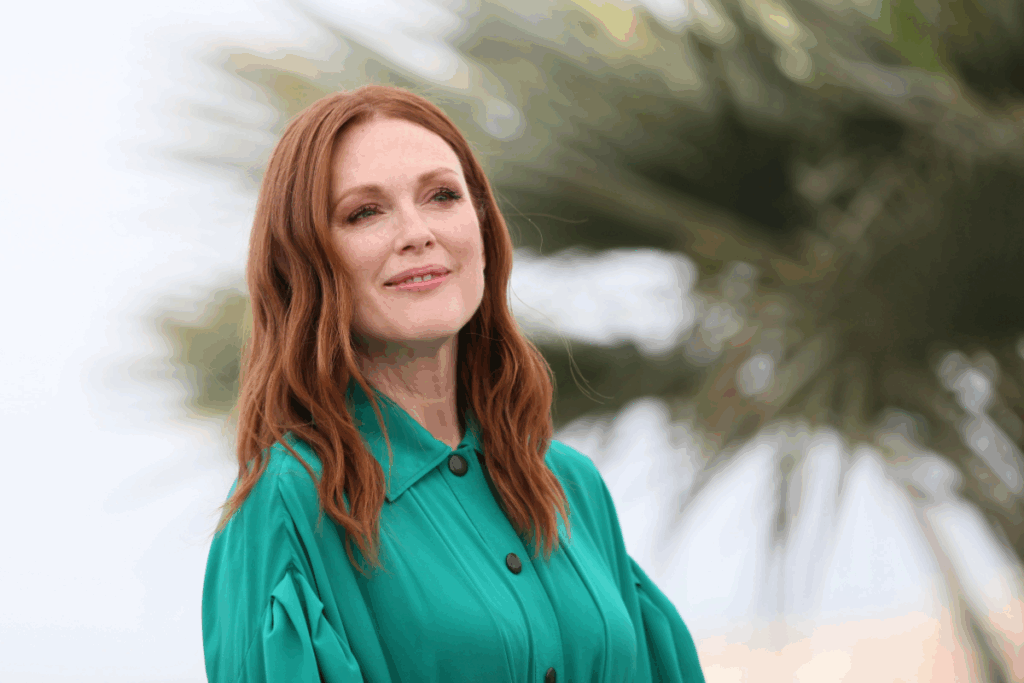
Eli Lilly has launched a new campaign to make brain health a regular part of wellness discussions. Released during World Alzheimer’s Month in September 2025, “Brain Health Matters” aims to help people understand their dementia risk factors and encourages early conversations with doctors. This effort is running on US television and digital platforms, with plans for global expansion.
Actress and advocate Julianne Moore anchors this Lilly campaign. Speaking directly to viewers, Moore reflects on how some of her film roles have stayed with her and stresses the importance of thinking about brain health now.
“There’s so much we want to do,” said Moore in the ad, ending the line with a broad smile.
Over scenes of families and everyday moments, she notes that acting early “may help reduce the risk of dementia from conditions like Alzheimer’s disease” and urges people to ask their doctors about risk factors and cognitive assessments.
Lilly says the campaign builds on 35 years of brain health research and increasing public interest in early detection.
Nearly four in five Americans would want to know if they had Alzheimer’s before it affects daily life. By 2060, the number of people aged 65 and older living with Alzheimer’s dementia is expected to reach 13.8 million, and women — who account for nearly two-thirds of diagnoses — are a major focus of awareness efforts.
According to the Alzheimer’s Association, the lifetime risk of Alzheimer’s dementia at age 45 is one in five for women and one in ten for men.
Public health research indicates a significant period for prevention. About 45% of dementia cases may be linked to risk factors that can be changed. Researchers at Boston University have described this as a “very long period of slowly developing disease” between early signs and major impairment.

Anne E. White, executive vice president and president of Lilly Neuroscience, said the campaign aims to prompt earlier, routine conversations. “This campaign is about getting more people to talk about brain health and prioritize it along with other aspects of routine healthcare,” she said.
Early action is central to the message. Alzheimer’s disease can begin developing up to 20 years before symptoms appear, when amyloid plaques build up in the brain.
Independent research is moving in the same direction. Mayo Clinic recently developed a prediction tool that estimates an individual’s likelihood of developing mild cognitive impairment or dementia years before symptoms, using factors such as age, sex, APOE ε4 status and amyloid PET imaging. The findings reinforce why brain health conversations may need to start earlier, particularly for women and people with elevated genetic risk.
Moore said her experience meeting individuals living with Alzheimer’s has informed her perspective. Taking responsibility for one’s brain health, she noted, can help people continue doing the activities that bring meaning to life.
The campaign’s website offers resources on talking with clinicians about dementia risk, cognitive assessments and habits that may support brain health.
In November, Lilly bolstered its Alzheimer’s awareness efforts with a second TV spot, “Good Days.” This 90-second unbranded film, developed with Wieden+Kennedy Portland, follows an older couple through poignant, alternating moments of clarity and confusion, highlighting connection and routine. It closes with a powerful message: “We’ve been fighting this disease for over 30 years because of how much the good days matter.” Supported by major holiday-season placements — including the Macy’s Thanksgiving Day Parade — the film aims to encourage multigenerational conversations about cognitive health.
If you want your company to be featured on Xtalks.com, please email [email protected].














Join or login to leave a comment
JOIN LOGIN