
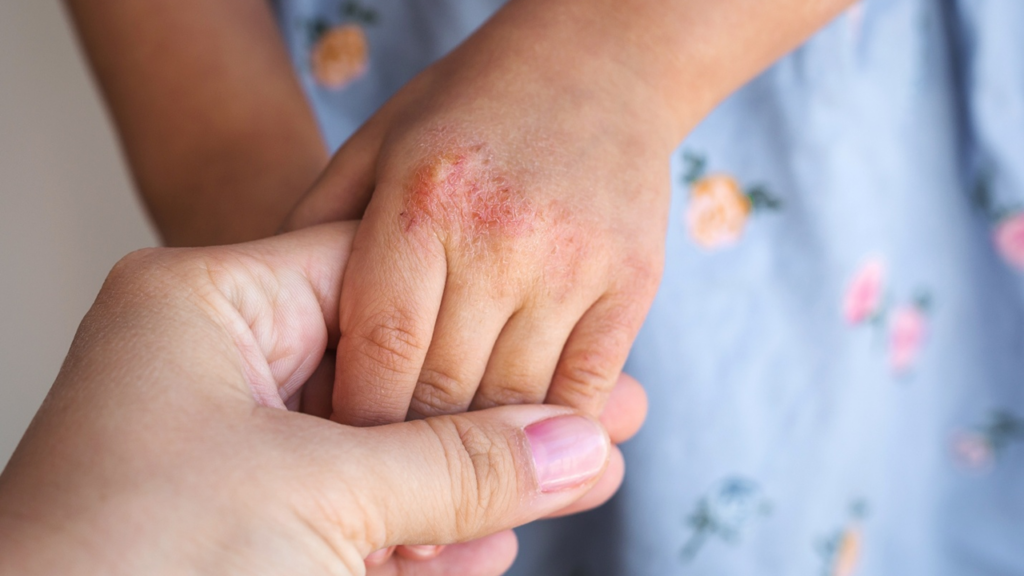
Dermatology is increasingly being viewed through a broader biological and patient-centered lens. Beyond visible skin changes, attention is shifting toward the immune and neural pathways that drive symptoms such as chronic itch, the rising global prevalence of sensitive skin and the ways environmental and lifestyle factors shape disease over time.
Long-term and real-world data are also helping to clarify how these conditions affect patients’ daily lives in ways not always captured in traditional clinical trials.
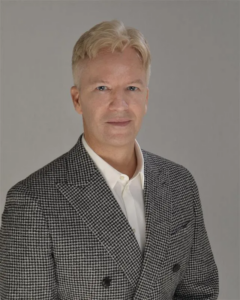
Senior Vice President and Head
Global Product Strategy
Galderma
In this Xtalks Clinical Edge interview, Gerry Muhle, Senior Vice President and Head of Global Product Strategy at Galderma, spoke with Xtalks about key scientific and market trends shaping dermatology today.
He leads global strategy across Therapeutic Dermatology, Dermatological Skincare and Injectable Aesthetics and brings nearly three decades of experience in pharmaceutical and consumer health innovation, with a background as a molecular geneticist.
In our conversation, Gerry discussed the growing focus on itch biology, the recognition of sensitive skin as a heterogeneous global condition and the role of real-world and long-term evidence in understanding disease burden. He also shared how emerging technologies such as AI and regenerative approaches may influence the future of skin health.
Tracking Patient and Practitioner Trends Across Dermatology
Gerry described how Galderma approaches trend identification as a structured, ongoing process rather than a reactive exercise. The company relies heavily on global networks of dermatology experts and clinicians to understand evolving patient needs and practice patterns across therapeutic dermatology, skincare and aesthetics.
One recent example he highlighted was the impact of medication-driven weight loss on facial appearance. According to Gerry, Galderma combined large-scale consumer research, consensus guidelines with clinicians, a Phase IV clinical study and educational programs to better understand how these changes affect patients, and how multi-modality treatment approaches are emerging in response.
He noted that similar multi-modality thinking is now expanding within aesthetics more broadly, with combined use of energy-based devices and injectables in a single treatment session becoming increasingly common, particularly in parts of Asia and now spreading globally.
Read Xtalks Clinical Edge™ Issue 7
Xtalks Clinical Edge is a magazine for clinical research professionals and all who want to be informed about the latest trends and happenings in clinical trials. This magazine immerses you in a world where industry leaders, patient advocates and top researchers converge to provide the most insightful perspectives on clinical trials.

In dermatological skincare, Gerry pointed to sensitive skin and skin longevity as two major, interconnected trend areas. He emphasized that sensitive skin affects a substantial proportion of the global population and that awareness, diagnosis and scientific characterization still lag behind prevalence.
“70% of people globally suffer from some sort of sensitive skin. It’s quite a heterogeneous disease,” he said, adding that the figure has risen markedly over the past two decades, while “there’s still significant gaps in the awareness and the management of sensitive skin.”
In therapeutic dermatology, he described a growing emphasis on personalization of care and on symptoms that most directly affect quality of life, particularly itch in chronic inflammatory diseases.
“We’ve seen this real shift in the last couple of years in the importance of itch,” Gerry explained. “Skin lesions and skin clearance have always been important, but we are definitely seeing an importance of the itch side of the burden of some diseases, because actually the itch is often the number one concern for the patient, not the skin lesions.”
— Gerry Muhle, SVP and Head of Global Product Strategy, Galderma
Understanding Itch and Neuro-Immune Pathways
When discussing advances in disease biology, Gerry focused on how insights into inflammatory and sensory pathways are reshaping therapeutic strategies. He pointed to the identification of interleukin-31 (IL-31) as a key neuro-immune mediator in conditions such as atopic dermatitis and prurigo nodularis as an example of how scientific developments can open new therapeutic directions.
He described IL-31 as a cytokine closely linked to the itch response and explained that understanding its role has helped clarify why itch can be so persistent and debilitating in certain inflammatory skin diseases.
“At Galderma, we’re supporting research into the role of IL-31 in other skin diseases as well, such as chronic pruritus of unknown origin,” he said. “This type of research may open the door to targeted therapies that will address the root causes of chronic inflammatory skin diseases, potentially allowing for more targeted and effective symptom relief, specifically with that link to itch.”
Viewing Inflammatory Skin Diseases as Systemic Conditions
A recurring theme in the conversation was the need to move beyond a purely visual or surface-level understanding of chronic skin disease. “Understanding these diseases from a systemic perspective becomes very important,” said Gerry.
He emphasized that conditions such as atopic dermatitis and prurigo nodularis have dimensions that extend far beyond visible lesions.
In atopic dermatitis, persistent itch is closely linked to sleep disturbance and psychosocial strain, with over a third of patients reporting avoidance of social interactions. Gerry stated that in prurigo nodularis, the burden can be even more severe, with around “15% of patients reporting to have suicidal thoughts related to their skin disease.”
“This is an itch which isn’t like a mosquito bite,” Gerry said. “It’s just so overriding in terms of their quality of life and their day-to-day behavior.”
He also highlighted how visible lesions can affect confidence and social interaction, and how mental health impacts are increasingly recognized in these patient populations.
Sensitive Skin as A Global, Heterogeneous Condition
Gerry described sensitive skin as an area that’s both highly prevalent and historically under-recognized. He attributed the rising global rates to a combination of environmental exposure, lifestyle factors, emotional stress and improved public awareness, while noting that formal education and research have not kept pace.
He also shared that surveys conducted by Galderma revealed that “less than 30% of US dermatology residents” consider themselves knowledgeable about sensitive skin.
A personal moment from a recent medical congress illustrated the human impact behind the statistics.
Gerry recalled an encounter with a patient at a recent medical congress who became emotional after hearing sensitive skin discussed in a scientific context, saying it was the first time her long-standing symptoms had been clearly explained and validated, and that it helped her understand there was an underlying biological basis to what she had been experiencing.
“And that is why we built the Global Sensitive Skincare Faculty by Galderma together with that global community of experts to help us advance the understanding and the science,” he said.
He pointed to findings from what he described as the largest global epidemiological survey on sensitive skin to date, involving more than 16,000 participants across multiple regions. The data revealed differences by age, skin tone, lifestyle and geography, helping to characterize sensitive skin as a heterogeneous but biologically meaningful condition rather than a purely subjective complaint.
“Honestly, my hope and our hope at Galderma is that one day sensitive skin is officially recognized as a condition in its own right,” Gerry said. “And we owe it to that woman who came up to us.”
— Gerry Muhle, SVP and Head of Global Product Strategy, Galderma
The Role of Real-World Evidence (RWE) and Long-Term Data
While pivotal clinical trials are essential for establishing safety and efficacy, they at times capture a narrow slice of the patient populations and disease behaviors seen in routine practice, explained Gerry.
In real-world settings, clinicians treat broader and more diverse groups of patients, particularly in highly heterogeneous conditions such as sensitive skin, atopic dermatitis and prurigo nodularis.
Real-world studies, he explained, help reveal how diseases evolve over time, including patterns of flare, remission and progression. He said real-world studies also show how treatments perform across different skin types, living conditions and demographic groups, which are areas that are difficult to fully capture in the tightly defined populations of pivotal trials.
Gerry noted many ongoing real-world programs in moderate-to-severe atopic dermatitis in both adolescents and adults, as well as in prurigo nodularis, as examples of efforts to better understand long-term disease burden and treatment use.
For sensitive skin, he highlighted large epidemiological surveys and the emerging use of AI-based skin analysis tools, such as skin visualizers, to help translate these data into more informed product development decisions.
Gerry said that large surveys and long-term observational datasets provide insight into aspects of disease that are not always captured in traditional clinical trials . He pointed in particular to quality of life, sleep quality and psychosocial impact as areas that are important to patients and clinicians but may fall outside standard clinical endpoints.
“These surveys provide important insights into aspects that go beyond just treatment safety and efficacy, which are really relevant to patients, healthcare practitioners and also consumers,” he said, “things like quality-of-life may not always be captured through the traditional clinical research set that you have, but are obviously key to everybody to informing holistic approaches to care.”
Gerry shared an example of a large survey involving around 1,300 patients using prescription weight-loss medicines that examined facial aesthetic changes and, together with trend forecasting and AI-based analysis of social media, helped inform how the company interpreted emerging directions in aesthetics.
In therapeutic dermatology, he also described the role of long-duration studies designed to follow patients over time, including extension studies in prurigo nodularis. He explained that these programs are intended to capture not only clinical outcomes, but also patient-reported outcomes such as sleep disturbance and the broader day-to-day impact of disease, and to better understand how conditions and their burden evolve over longer periods.
Looking Ahead: Longevity, Regeneration and AI
When asked about the next five to 10 years in dermatology, Gerry pointed to a shift from purely corrective approaches toward prevention, regeneration and long-term skin health.
Gerry described skin longevity as an area he sees as potentially transformational for dermatology, with a growing focus on preserving skin health at a cellular level rather than only addressing visible signs of aging. He pointed in particular to interest in mitochondrial function and in the role of senescent, or “sleeping,” cells and how their accumulation may contribute to thinning, fragility and loss of skin quality over time.
“For skin longevity, it’s all about preserving skin health at a cellular level. So are your mitochondria and your cells working as hard as they used to?” he said. “And I really do see this whole area of skin longevity being quite transformational in dermatology. We’re particularly interested specifically in the space around senescent cells and the impact that senescent cells have on skin longevity.”
He also spoke about a shift toward more preventive and regenerative approaches, including research into biostimulatory technologies that aim to support remodeling of structural components such as collagen and elastin and to address skin quality and firmness in a gradual way that aligns with a more natural treatment approach in aesthetics.
Gerry then turned to AI and augmented reality as technologies he expects will continue to play an increasingly important role across dermatology, from consumer engagement to R&D. He noted that the way people search for information and choose products is already changing.
“The way that I personally do search now is very different from the way I did it just even a year ago, utilizing AI to support me with that,” he said. “The way that consumers are choosing their products now is also fundamentally shifting.”
As one example, he described an AI-based Cetaphil skin analysis tool trained on around 70,000 faces that uses a selfie to assess hydration, redness prone skin and texture and support personalized product selection. He noted that it has already been rolled out in several countries and is being used tens of thousands of times per month, reflecting growing interest in individualized skincare.
Finally, he brought up the application of AI within research and manufacturing, including efforts to integrate decades of historical experimental data into new digital platforms to support future discovery and development.
“To be able to pull on that detailed resource of 30 years of R&D… it allows us to do better research and development into the future, and that particularly excites me,” concluded Gerry.











Join or login to leave a comment
JOIN LOGIN