
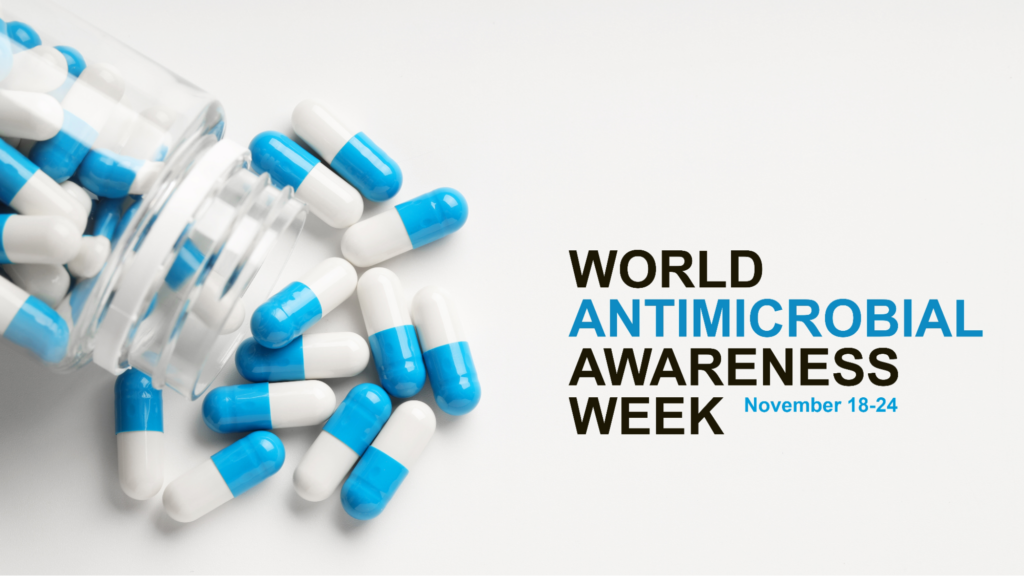
From the first US oral carbapenem to a 15-minute infection test, four 2026 developments in the fight against antimicrobial resistance.
World Antimicrobial Resistance (AMR) Awareness Week runs from November 18 to 24, 2026. This year’s theme, “One Health, one action: Prevent AMR now,” calls for coordinated action across human health, animal health and the environment.
AMR occurs when bacteria, viruses, fungi and parasites stop responding to medicines designed to treat them. Infections become harder to treat, increasing risks for patients undergoing surgery, cancer treatment and other medical procedures. According to the World Health Organization (WHO), bacterial AMR is associated with more than 4.7 million deaths annually.
Here are four developments from the pharmaceutical, biotechnology, medical technology and healthcare sectors in 2026.

Get industry leading pharma and biotech news, events and expert insights delivered to your inbox.
FDA Approves First Oral Carbapenem Antibiotic in the US
Carbapenems are powerful antibiotics used to treat severe or drug-resistant bacterial infections. Until recently, they were only available intravenously in the US, often requiring hospital-based care.
In June, the FDA approved Utebzi (tebipenem pivoxil), the first oral carbapenem in the US. Developed by GSK in collaboration with Spero Therapeutics, it treats certain complicated urinary tract infections, including kidney infections, in adults with limited or no alternative oral options.
In a Phase III trial, the oral drug performed comparably to an intravenous carbapenem. It could allow more eligible patients to receive treatment outside hospitals. GSK expects US availability by the end of 2026.
Telum Therapeutics Raises €18 Million for Antimicrobial Development
Acinetobacter baumannii is a bacterium that can resist multiple antibiotics and cause serious hospital-acquired infections, particularly pneumonia in patients on ventilators.
In July, Spanish biotech Telum Therapeutics raised approximately $19.9 million (€18 million) in Series A funding to advance a potential treatment for these infections.
Led by AMR Action Fund, the investment will support Phase I clinical development of Telum’s lead candidate, a protein-based antimicrobial therapy.
FDA Clears QIAGEN’s Rapid Bloodstream Infection Panel
Bloodstream infections can rapidly progress to life-threatening sepsis. Doctors need to know which germs are causing the infection and whether they may resist certain antibiotics.
In August, the FDA cleared QIAGEN’s QIAstat-Dx BCID GPF Plus AMR Panel.
Once a blood culture tests positive, the panel can identify 20 bacterial and fungal targets and 10 genetic markers linked to antibiotic resistance in about an hour. It can also detect a broad signal for gram-negative bacteria.
The results could help clinicians identify infections sooner and make more informed antibiotic choices.
Tampa General Hospital Adopts 15-Minute Infection Test
Distinguishing bacterial from viral infections is an important part of avoiding unnecessary antibiotic use.
In September, Florida’s Tampa General Hospital introduced MeMed BV into its emergency department’s sepsis alert workflow.
The FDA-cleared test measures three proteins involved in the body’s immune response, helping clinicians assess whether an infection is bacterial or viral in approximately 15 minutes.
The hospital also reported findings from a study involving 893 adults in which use of the test was associated with a 33% reduction in exposure to cefepime, an antibiotic used to treat serious bacterial infections, among patients with a sepsis alert.
If you want your company to be featured on Xtalks.com, please email [email protected].








Join or login to leave a comment
JOIN LOGIN