
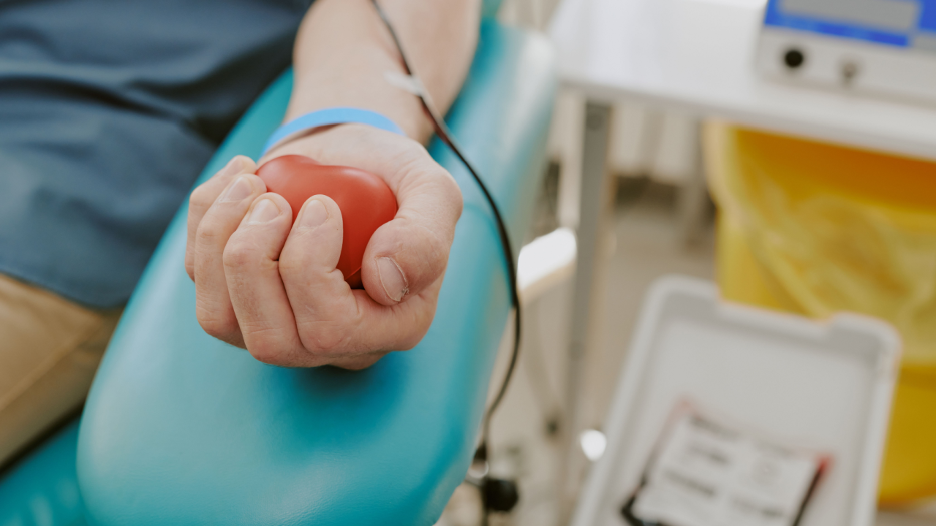
World Blood Donor Day 2026 calls for more voluntary donors as blood services manage short shelf lives, seasonal shortages, donor screening and more precise blood matching.
Every June 14, World Blood Donor Day highlights the life-saving impact of voluntary, unpaid donors. The 2026 theme of World Blood Donor Day, “One Drop of Humanity. Give Blood. Save Lives,” emphasizes that while healthcare systems are high-tech, they still depend on the steady supply of safe, well-matched blood.
Why Blood Donors Are Needed
Blood is essential for everything from trauma care and cancer treatment to childbirth and chronic anemia. In the US, someone needs blood or platelets every two seconds, requiring about 29,000 units of red blood cells daily. Despite this, only about 3% of eligible people donate each year.
Globally, the gap is even wider. WHO estimates that 118.5 million blood donations are collected each year, but high-income countries collect about 40% of those donations despite accounting for only 16% of the world’s population.
One donor can make a measurable difference over time. Guinness World Records lists Daniel Ryan of the US as the male record holder for whole blood donation, with 251 donations verified as of June 24, 2025.
Why Blood Supply Is Hard to Maintain
Blood cannot be manufactured. It must be donated, tested and moved to hospitals quickly. Shelf life is a major hurdle, as red blood cells last only 21 to 42 days, while platelets expire in just five to seven days.
While whole blood can be donated every 56 days, other types, like platelets, plasma or double red cells, have their own schedules.
This makes the blood supply vulnerable to seasonal disruptions, illness, holidays and weather events. In January 2026, the American Red Cross saw its national blood supply fall about 35% in one month. Flu activity, winter weather and about 400 weather-affected blood drives contributed to the decline. The shortage was especially serious for platelets and type O, A-negative and B-negative blood.
Summer can also intensify blood shortages. While travel, school breaks and severe weather often keep donors away, demand for blood can rise. In the US, the period between Memorial Day and Labor Day is a peak time for trauma cases, including car crashes, which require an urgent and steady supply of blood.
Get industry leading pharma and biotech news, events and expert insights delivered to your inbox.

Donor deferrals add another layer of complexity. In 2023, the total US deferral rate was 14.2%, with low hemoglobin or hematocrit levels as the most common reason. This usually means a donor’s iron-related blood levels were too low to safely donate that day.
Matching is also not just about A, B, AB and O blood types. For patients who need repeated transfusions, including some people with sickle cell disease, matching can go beyond ABO blood type and include inherited red blood cell markers called antigens. A more diverse donor base helps blood centers find better matches for patients with rare or complex blood needs.
Canada faces a similar struggle to maintain a sufficient donor base. Just over 400,000 donors, roughly 2% of those eligible, support a population of nearly 40 million. The need for blood is growing by more than 10%, while demand for plasma is growing by 50%.
What Is Changing in Blood Donation and Transfusion?
Blood donor rules have become more individualized in the US and UK for some gay and bisexual men. Screening now focuses more on a donor’s recent individual risk factors, including questions related to sexual history and HIV risk. NHS Blood and Transplant said in May 2026 that survey data showed more gay and bisexual men donating blood after the UK eligibility changes. In addition, a 2025 FDA guidance has recommended selective testing of blood donations from donors at risk for malaria using an FDA-licensed nucleic acid test. This is meant to reduce the risk of transfusion-transmitted malaria while avoiding unnecessary donor loss.
Another update is more precise blood matching. In May 2026, NHS Blood and Transplant began studying a new algorithm called bloodMatcher, which uses genomic data to select more closely matched blood for adults with sickle cell disorder. This could help reduce alloimmunization, where patients develop antibodies after exposure to mismatched minor blood groups. For patients who need lifelong transfusions, those antibodies can make future transfusions harder and riskier.
World Blood Donor Day 2026 reminds us that blood donation is vital to public health. In the UK, Metallica and its charity, All Within My Hands, recently partnered with blood services during the band’s 2026 tour. The campaign is urging fans to donate blood and plasma if they are eligible.
If you want your company to be featured on Xtalks.com, please email [email protected].














Join or login to leave a comment
JOIN LOGIN