
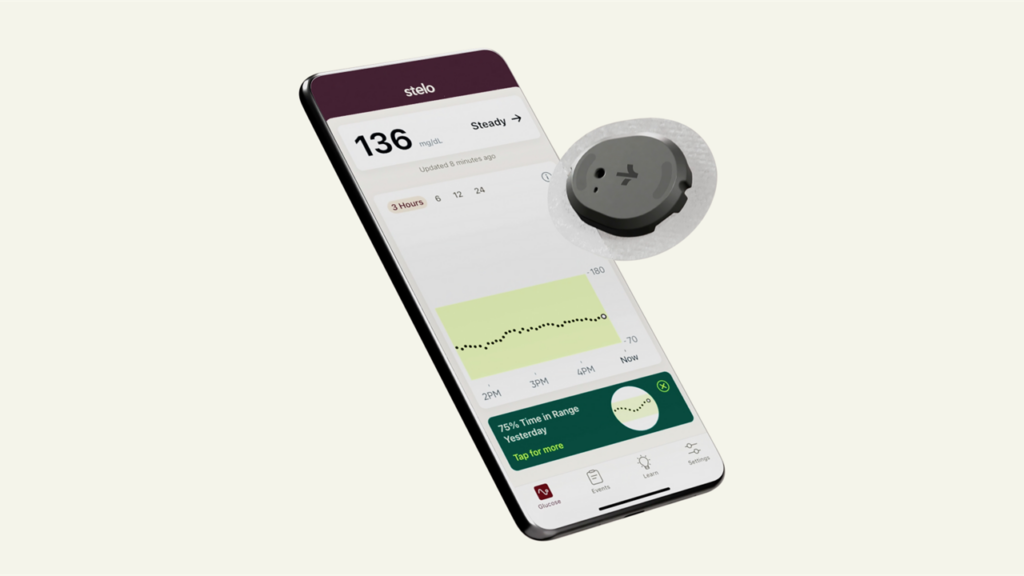
Dexcom’s Stelo is now cleared for pediatric users aged two and older, giving families a new way to track glucose patterns tied to meals, activity and daily routines.
The FDA has cleared Dexcom’s Stelo Glucose Biosensor System as the first over-the-counter continuous (OTC) glucose monitor (CGM) for children aged two and older who do not use insulin.
This includes children with diabetes who manage their condition with oral medications, as well as families interested in seeing how factors like diet and exercise affect glucose levels. As an integrated CGM, or iCGM, Stelo belongs to a category of CGMs reviewed by the FDA for performance and compatibility with certain digital health systems.
A CGM is a wearable sensor that tracks glucose throughout the day. Compared with intermittent fingerstick checks alone, it can give families a fuller view of glucose changes after meals, activity and sleep. The new clearance expands the FDA’s March 2024 authorization for adults, allowing pediatric users to access the technology under adult supervision.
Pediatric diabetes trends show why access to glucose data is relevant. The CDC estimates that 314,000 children and adolescents younger than 20 in the US have diagnosed type 1 diabetes, while 8.4 million adolescents aged 12 to 17 had prediabetes in 2023.

Get industry leading pharma and biotech news, events and expert insights delivered to your inbox.
Stelo pairs a wearable sensor with a compatible smartphone app, which displays glucose measurements and trends every 15 minutes. Each sensor can be worn for up to 15 days, although the FDA noted that skin, activity and behavioral factors in children may lead to shorter wear times than in adults.
To support the clearance, the FDA reviewed earlier adult and pediatric clinical study data, along with real-world evidence from current iCGM use. Families should consult a healthcare provider before making medication changes based on Stelo’s readings.
Diabetes Care Updates Span Monitoring, Insulin and Immunotherapy
Other recent diabetes updates also point to more options across different stages of care.
The FDA approved Sanofi’s Tzield (teplizumab) for certain children and adolescents aged eight to 17 who were recently diagnosed with stage 3 type 1 diabetes. At this stage, symptoms such as frequent urination, excessive thirst and fatigue have appeared, and insulin therapy is typically needed. Tzield works by slowing the immune attack on insulin-producing beta cells, helping delay the decline in the body’s own insulin production.
The FDA also approved Afrezza (insulin human) Inhalation Powder for children and adolescents aged six and older with diabetes who need mealtime insulin. Unlike Stelo, which is for people who do not use insulin, Afrezza is an insulin therapy. It also carries lung-related precautions and is not recommended for people with chronic lung disease such as asthma or chronic obstructive pulmonary disease.
Outside the US, the UK’s National Institute for Health and Care Excellence (NICE) recommended teplizumab for NHS use in England and Wales to delay the onset of symptomatic type 1 diabetes. The recommendation applies to adults and children aged eight and older with stage 2 type 1 diabetes, an early stage before symptoms appear. The evidence showed that teplizumab delayed progression to symptomatic disease by about 32 months.
If you want your company to be featured on Xtalks.com, please email [email protected].













Join or login to leave a comment
JOIN LOGIN