
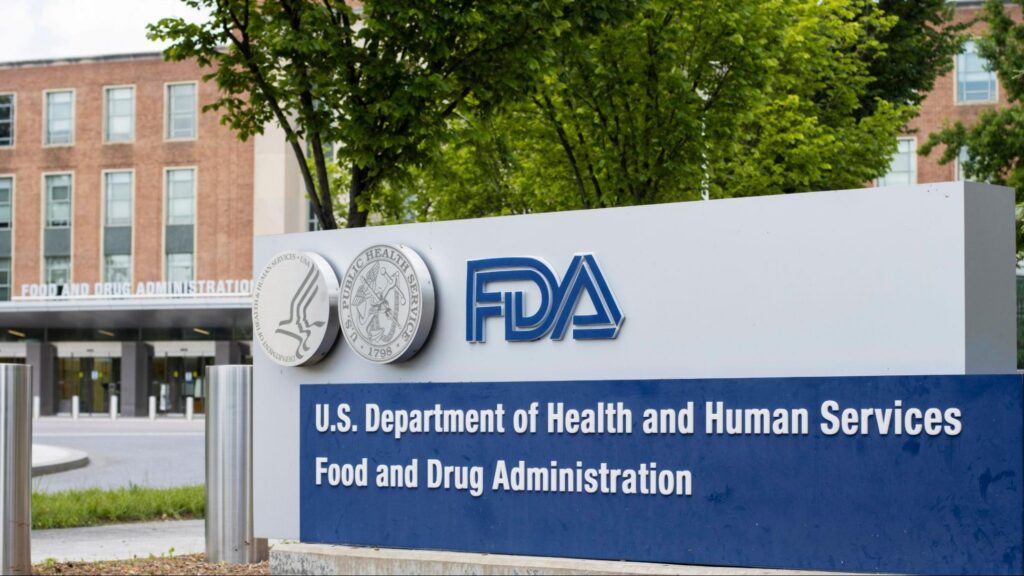
November’s drug approval showcase emerging therapeutic approaches and the translation of clinical research into new medicines.
The FDA continues to expand treatment options across oncology, neurology and rare diseases.
Recent approvals include therapies designed to overcome drug resistance, address underlying disease mechanisms and provide treatment options for conditions with significant unmet medical needs.
Key Drugs and Therapies to Watch in 2026
Here’s a look at six of the latest FDA drug approvals, including clinical findings that supported their approval and what they could mean for patients.

Get industry leading pharma and biotech news, events and expert insights delivered to your inbox.
Wilserdly (Giredestrant)
Genetech’s Wilserdly (giredestrant) was approved in combination with everolimus for adults with estrogen receptor (ER)-positive HER2-negative, ESR1-mutated locally advanced or metastatic breast cancer following recurrence or progression after endocrine therapy.
ESR1 mutations can contribute to resistance to endocrine treatments. Wilserdly is an oral estrogen receptor antagonist that blocks estrogen receptor signaling to inhibit cancer growth.
In the Phase III evERA Breast Cancer trial, median progression-free survival among patients with ESR1 mutation was 10 months with giredestrant plus everolimus versus 5.5 months with physician-selected endocrine therapy plus everolimus.
The approval also included authorization of the FoundationOne Liquid CDx companion diagnostic to identify eligible patients with ESR1 mutations, supporting more personalized treatment decisions.
Nelkarmi (Neladalkib)
GSK’s Nelkarmi (neladalkib) received accelerated FDA approval for certain adults with previously treated, locally advanced or metastatic anaplastic lymphoma kinase (ALK)-positive non-small cell lung cancer (NSCLC).
Nelkarmi is a next-generation tyrosine kinase inhibitor designed to address treatment resistance and target cancer that has spread to the brain.
The approval was supported by the Phase I/II ALKOVE-1 trial. Among patients previously treated with alectinib as their only ALK inhibitor, 49% responded to treatment. Of those who responded, 52% maintained their response for at least 12 months.
GSK is also evaluating neladalkib in the ongoing Phase III ALKAZAR trial in patients who have not previously received tyrosine kinase inhibitor therapy.
Lembaz (Adrabetadex)
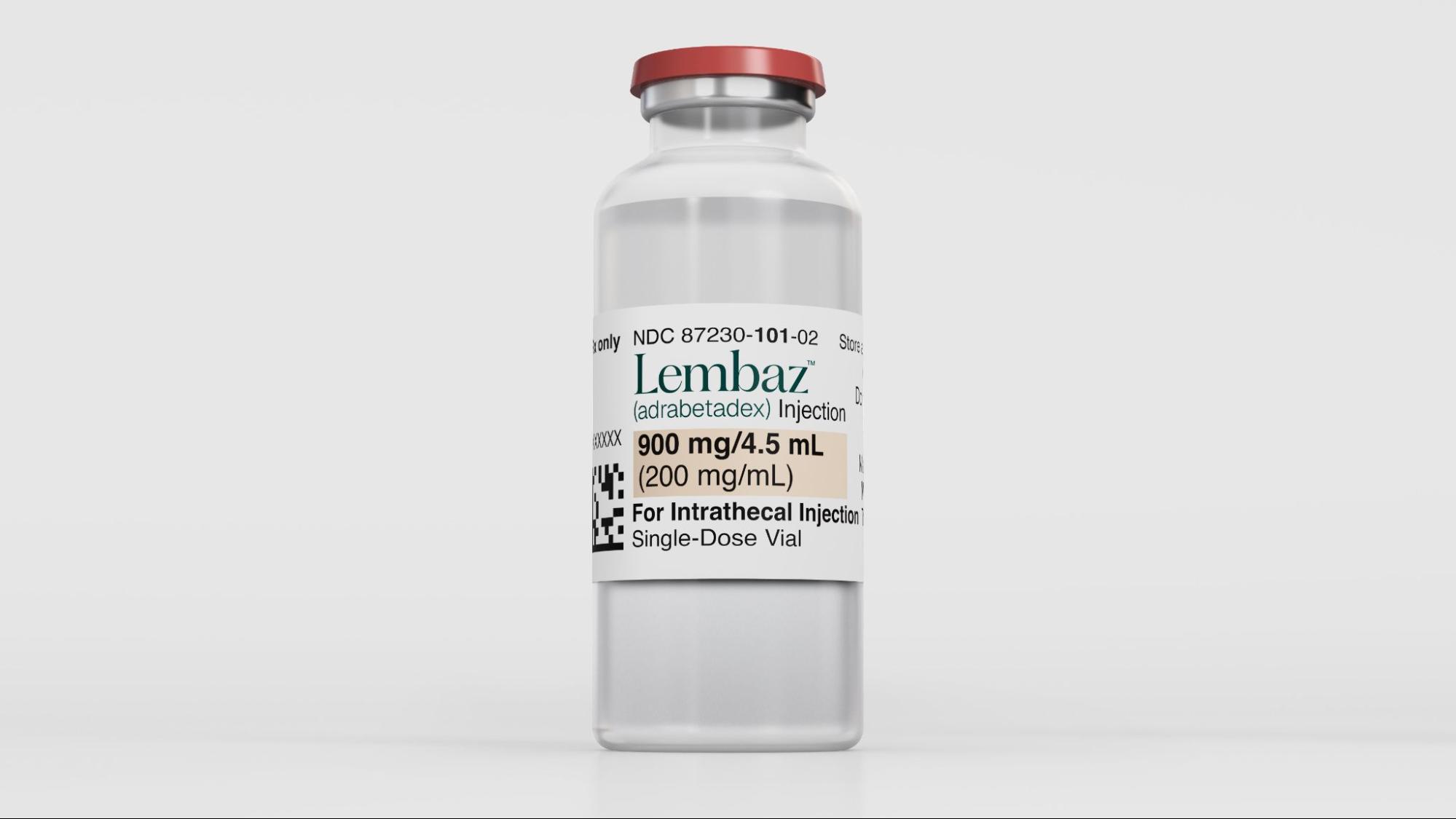
Lembaz (adrabetadex) became the first FDA-approved treatment shown to reduce the risk of death in patients with infantile-onset Niemann-Pick disease type C (NPC). The approval covers adults and children weighing at least 7 kg whose neurological symptoms began before age six.
NPC is a rare inherited disorder in which cholesterol and other lipids accumulate within cells, particularly in the brain, leading to progressive neurological decline.
Administered through an injection into the spinal canal every two weeks, adrabetadex demonstrated a 55% reduction in the risk of death among 36 treated patients compared with a matched external control group. Median survival was 8.5 years versus 4.9 years, respectively.
The approval represents a significant development for patients with infantile-onset NPC. It offers a new option for families affected by this severe, progressive disease.
Infilbray (Venglustat)
With the approval of Sanofi’s Infilbray (venglustat), adults and children weighing at least 15 kg with type 3 Gaucher disease (GD3) now have the first FDA-approved treatment to address the neurological manifestations of the condition.
GD3 is a rare inherited disorder characterized by the accumulation of fatty substances within cells, contributing to progressive neurological and systemic complications.
Infilbray is a once-daily oral glucosylceramide synthase inhibitor that crosses the blood-brain barrier and is designed to reduce abnormal lipid accumulation.
The Phase III LEAP2MONO study, involving 43 patients, demonstrated statistically significant improvements in combined measures of neurological function compared with enzyme replacement therapy at 52 weeks.
Inflibray is currently undergoing regulatory review in the European Union (EU), Japan and other markets, with additional submissions planned for 2026 and 2027.
Livsayis (Cemdisiran)
The FDA’s approval of Regeneron’s Livsayis (cemdisiran) introduced the first small interfering RNA (siRNA) therapy for adults with generalized myasthenia gravis (gMG) who test positive for anti-acetylcholine receptor (AChR) antibodies.
gMG is a chronic autoimmune disease that disrupts communication between nerves and muscles, resulting in muscle weakness and difficulties with everyday activities.
Livsayis inhibits the production of complement component 5 (C5), reducing activation of a pathway implicated in the disease. The treatment is administered subcutaneously just four times annually.
Results from the Phase III NIMBLE trial supported the FDA’s decision. Patients receiving cemdisrian experienced a 4.5-point improvement in the Myasthenia Gravis Activities of Daily Living score at 24 weeks, compared with a 2.2-point improvement with placebo.
The drug carries a box warning for serious meningococcal infections. An EU regulatory decision is anticipated in the second half of 2027.
Welgemda (Ribitol)
Developed by ML Bio Solutions, Welgemda (ribitol) became the first FDA-approved treatment for any form of limb-girdle muscular dystrophy (LGMD). The approval specifically covers patients with LGMD type 2I/R9 weighing at least 30 kg.
The rare inherited condition is caused by mutations in the FKRP gene, resulting in progressive muscle weakness and potentially impaired respiratory function.
Although its precise mechanism of action is not fully understood, Welgemda may increase the production of matriglycan, a sugar molecule involved in maintaining muscle cell stability.
In a randomized, double-blind, placebo-controlled Phase III study involving 112 patients, ribitol demonstrated significant improvements in walking speed and lung function following 12 months of treatment.
The approval marks a significant milestone for the LGMD community, which previously had no-FDA approved disease-specific treatment options.














Join or login to leave a comment
JOIN LOGIN