

The US Department of Health and Human Services (HHS) has approved adding Duchenne muscular dystrophy (DMD) and metachromatic leukodystrophy (MLD) to the Recommended Uniform Screening Panel (RUSP), expanding the list of conditions recommended for universal newborn screening in the US.
The decision, announced December 16, followed a review of scientific evidence and public comments. The HHS said early identification of these rare genetic disorders can help children access available FDA-approved therapies sooner, when treatment may be most effective in slowing disease progression and preserving function.

DMD & MLD: What We Know
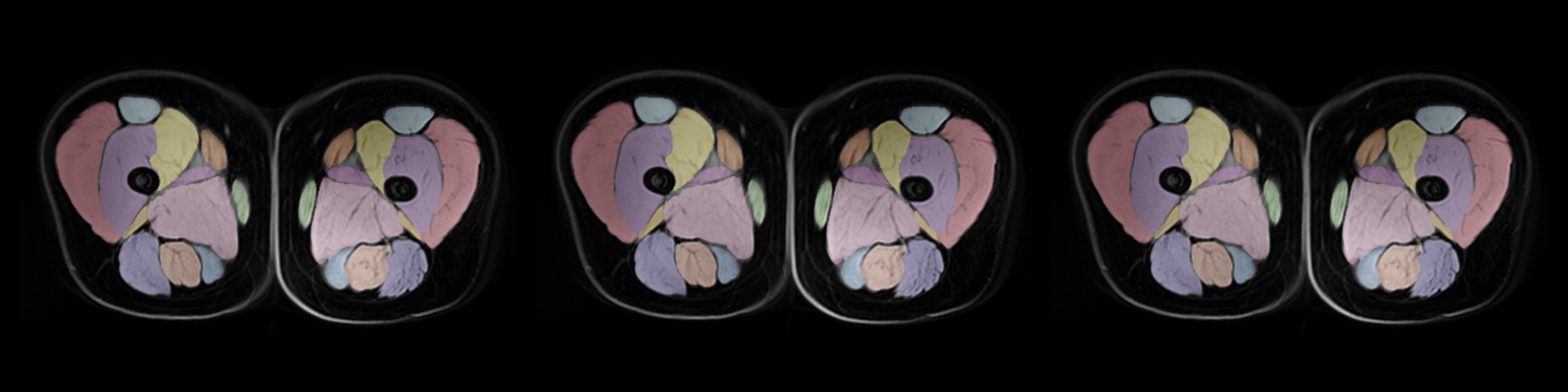
DMD is a severe inherited neuromuscular disorder that causes progressive muscle degeneration and primarily affects boys. MLD is a rare inherited lysosomal storage disease that leads to progressive damage of the nervous system.
Symptoms for both conditions often do not appear until several years after birth. HHS noted that many children with DMD or MLD are diagnosed around four to five years of age, when irreversible muscle loss or neurological decline may have already begun. Newborn screening aims to shift diagnosis to infancy, reducing delays and enabling earlier treatment and supportive care.
RUSP: Why It Matters and What Adding a Screen Involves
The RUSP is the federal government’s evidence-based list of conditions recommended for universal newborn screening. However, newborn screening in the US is carried out by 56 separate state and territorial programs, and each state decides whether and when to adopt recommended conditions.
Adding a condition to the RUSP is a multi-year, evidence-driven process that requires a feasible screening test, a clear case definition and population-based evidence. Nominations undergo expert review and a structured recommendation pathway that ends with a final decision by the HHS secretary.
After a condition is added, states still need to complete operational steps to implement screening, including validating testing methods, setting protocols and cutoffs, updating data systems, establishing follow-up pathways and training personnel.
These steps often contribute to delays between RUSP inclusion and widespread adoption. The Health Resources and Services Administration (HRSA) administers the RUSP.
What Officials Say
HRSA Administrator Tom Engels said early diagnosis can significantly alter care pathways for affected families, replacing years of uncertainty and reducing delays in intervention.
Lawmakers and patient advocates welcomed the decision, noting that earlier testing can improve long-term outcomes and ease the diagnostic burden faced by families navigating rare diseases. For disorders such as DMD and MLD, where disease progression begins early in life, timely intervention is especially important.
Patient advocacy groups and life sciences companies focused on Duchenne have long supported expanded newborn screening efforts, including state-level pilot programs.
Following the HHS decision, Solid Biosciences said broader screening could enable earlier referral to specialists and reduce prolonged diagnostic delays. The company is developing an investigational gene therapy for DMD and described the decision as aligning screening policy with advances in treatment development.
What Happens Next?
While the RUSP serves as a national benchmark, implementation decisions rest with individual states. Adding a condition sends a strong national signal but does not guarantee immediate nationwide screening.
The HHS said it will continue working with states as they evaluate adoption of the new screenings and assess how early detection affects long-term outcomes.
State adoption typically occurs over time. In 2025, several programs moved in that direction, including New York’s launch of population screening for MLD in September and Texas’s plan to begin testing in early August for four lysosomal disorders, including Pompe disease and mucopolysaccharidosis types I and II.
If you want your company to be featured on Xtalks.com, please email [email protected].












Join or login to leave a comment
JOIN LOGIN