
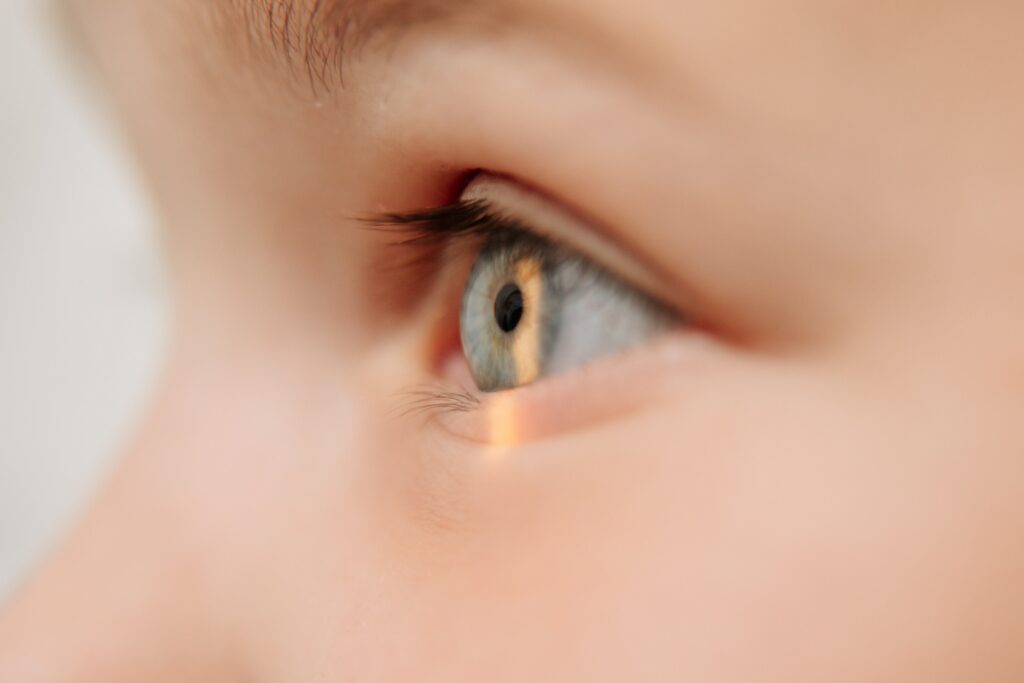
MeiraGTx Holdings plc and Eli Lilly and Company have announced a strategic collaboration to develop and commercialize gene therapies for eye diseases.
The partnership centers on MeiraGTx’s AAV‐AIPL1 program for Leber congenital amaurosis 4 (LCA4), a severe inherited retinopathy.
In the deal, Lilly will also gain access to MeiraGTx’s ophthalmology gene therapy toolkit.

Lilly will also obtain access to MeiraGTx’s broader ophthalmology platforms that include intravitreal capsids, bespoke promoters (including AI-generated retina-cell-specific promoters) and riboswitch technology for controlled gene expression in the eye.
As part of the deal, MeiraGTx will receive a $75 million upfront payment, is eligible for over $400 million in milestone payments and will receive tiered royalties on any licensed product.
“Ophthalmology is an emerging area of interest for Lilly,” Andrew Adams, PhD, Lilly’s group vice president of Molecule Discovery, said in the announcement. “We are excited to partner with MeiraGTx to bring transformative treatments to patients around the world suffering from eye diseases, starting with AAV-AIPL1, which has shown the unprecedented ability to restore vision in children who were born legally blind.”
LCA4 is a severe inherited retinopathy driven by a deficiency in aryl-hydrocarbon-interacting protein-like 1 (AIPL1) caused by mutations in the AIPL1 gene.
AAV-AIPL1 is designed to deliver functional copies of the AIPL1 gene to cone and rod photoreceptors in the central retina, to restore vision, explained MeiraGTx in its statement. It is delivered as a one-time administration to children via subretinal injection.
AAV-AIPL1 has received FDA Orphan Drug and Rare Pediatric Disease designation (RPDD) as well as Orphan designation by the European Commission.
XTALKS WEBINAR: Every Patient Matters: Bespoke Digital Endpoint Strategies for Rare Disease Drug Development
Live and On-Demand: Wednesday, November 12, 2025, at 11am EDT (5pm CET/EU-Central)
Register for this free webinar to learn how the use of eCOA for administering key scales provides sites and sponsors with increased validity and reliability of clinical endpoints in complex rare disease trials.
“We are excited to be entering into this collaboration with Lilly in ophthalmology,” said Alexandria Forbes, PhD, president and chief executive officer of MeiraGTx.
“MeiraGTx has been dedicated to treating patients with serious eye conditions since the company’s inception, and this collaboration with Lilly is a testament to our leadership in this field and the power of our broad toolkit of proprietary gene therapy technologies for both rare and prevalent ocular disease.”
According to clinical data published earlier this year in The Lancet, among 11 children under four years old born legally blind who received AAV-AIPL1 treatment, all gained vision. Additionally, the therapy also led to “life-changing benefits in vital areas of development, including communication, behavior, learning, mood, psychological benefits and social integration.”
A month after the data was shared, Halogen AI struck a deal to invest up to $430 million to advance MeiraGTx’s Parkinson’s disease gene therapy through Phase III development and commercialization.
As part of building out its ophthalmology pipeline, near the end of October, Lilly acquired cash-strapped Adverum Biotechnologies for its Phase III gene therapy ixo-vec for wet age-related macular degeneration (AMD). The company said the treatment is aimed at “preserving sight for life.”
In its second-quarter earnings release on August 14, MeiraGTx reported that it remains on track to file for approval of its LCA4 gene therapy in the UK, with a corresponding US submission expected in the last quarter of 2025.








Join or login to leave a comment
JOIN LOGIN