
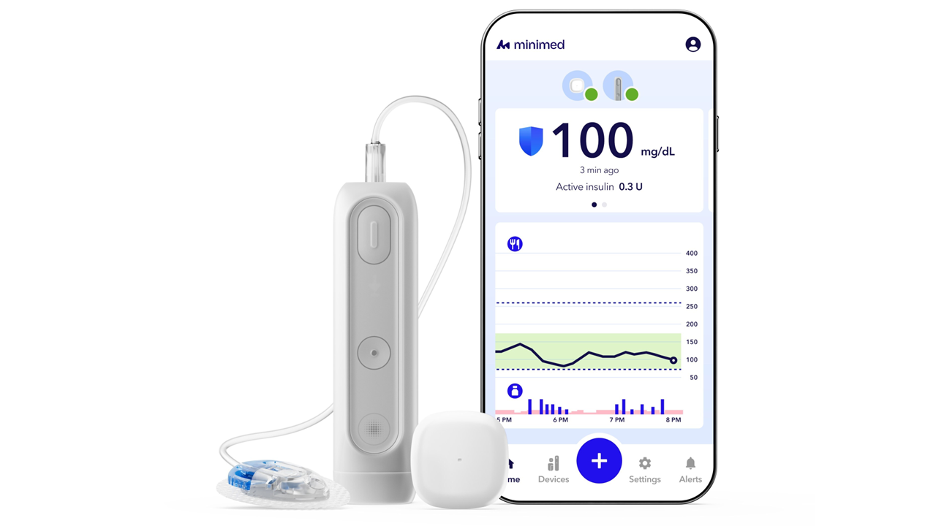
Medtronic’s diabetes technology business MiniMed went public in March.
The company offered 28 million shares of common stock at $20 per share. MiniMed’s shares began trading on the Nasdaq Global Select Market on March 6, 2026, under the ticker symbol “MMED,” and the IPO closed on March 9.
MiniMed received approximately $538 million in net proceeds.
As of the IPO closing, Medtronic plc owned approximately 90.03% of MiniMed common stock.
Soon after the IPO, MiniMed secured FDA clearance for MiniMed Flex, which is described as its smallest insulin pump and its first smartphone-controlled pump design. The device is about half the size of the MiniMed 780G pump and is designed without a traditional pump screen.
MiniMed Flex is cleared for individuals ages seven and older with type 1 diabetes and for adults with insulin-requiring type 2 diabetes. The launch is planned to begin with a customer experience phase this spring, followed by a broader US commercial launch in the summer.
Get industry leading pharma and biotech news, events and expert insights delivered to your inbox.

MiniMed develops and markets diabetes technologies for people who require insulin therapy, including all people with type 1 diabetes and some people with type 2 diabetes. Its portfolio includes insulin pumps, smart insulin pens, continuous glucose monitors (CGMs), infusion sets, reservoirs, software and related services.
MiniMed’s main product category is automated insulin delivery, or AID. In these systems, a glucose sensor tracks blood sugar, software reads the data and the pump adjusts insulin delivery throughout the day.
Their flagship AID product is the MiniMed 780G system, which uses the SmartGuard algorithm to adjust and correct insulin pump dosing every five minutes.
The company is also developing Vivera, a next-gen dosing algorithm intended to reduce the need for regular user input in automated insulin delivery. The algorithm is meant to support insulin dosing with one total daily dose setting and without regular meal-related input from the user.
New Studies Point to More Integrated Insulin Delivery
Insulet and PharmaSens have both reported studies focused on systems that may reduce the number of daily steps required from insulin users.
Insulet has enrolled the first participant in EVOLVE, a pivotal study of its fully closed-loop AID system for adults with type 2 diabetes. The study is enrolling up to 350 adults with type 2 diabetes across as many as 40 US sites. The system is designed to simplify setup and reduce the workload for healthcare providers. Insulet received FDA investigational device exemption approval in March and said it plans to submit a 510(k) filing in 2027.
In April, PharmaSens AG shared first-in-human feasibility data for an investigational all-in-one insulin patch pump that combines insulin delivery and continuous glucose monitoring in one wearable device. The early study enrolled 18 adults with type 1 diabetes and reported no insulin delivery failures or adverse events with the investigational device.
FDA Flagged Two Serious Insulin Delivery Recalls From Other Companies
The same devices designed to make insulin delivery easier can also create risk when software or hardware does not work as expected.
For Tandem Diabetes Care, the issue involved certain Tandem Mobi insulin pumps running affected software versions. The pumps could mistakenly detect a motor problem and trigger a Malfunction 12 alert. When that alert appears, insulin delivery stops and the pump can no longer be used. Tandem told users to update their pump software as soon as possible and keep a backup insulin delivery method ready.
Certain Omnipod 5 Pods were recalled urgently as they may have had a small tear in the internal tubing that carries insulin. That could cause insulin to leak inside the pod instead of being delivered into the body. Users have been instructed not to use the affected pods and switch to a non-affected pod and to request replacements from Insulet.
FAQs
What is a bolus in insulin therapy?
A bolus is an extra dose of insulin, usually taken around meals or when blood sugar is running high. We can think of it as the “on-demand” insulin dose, while basal insulin works more in the background.
Does automated insulin delivery mean the user does nothing?
Not always. Many systems can adjust insulin in the background, but users may still need to enter meal information, respond to alerts or change infusion sets and sensors.
What does fully closed-loop insulin delivery mean?
A fully closed-loop insulin delivery system is designed to adjust insulin delivery with little to no mealtime input from the user. This is to reduce the need to announce meals or manually enter extra insulin doses.
Does an FDA recall always mean a device is removed from the market?
No. A recall can mean a company removes affected devices, but it can also mean users need a correction, such as a software update. What matters most is whether the user needs to take action to keep using the device safely.
If you want your company to be featured on Xtalks.com, please email [email protected].













Join or login to leave a comment
JOIN LOGIN