
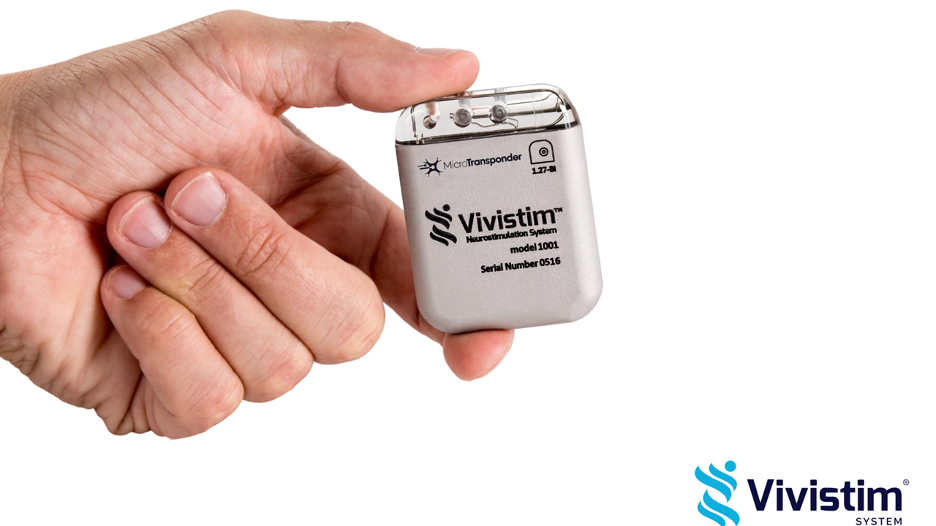
Mobia Medical’s IPO spotlights Vivistim, the company’s vagus nerve stimulation device for stroke survivors with lasting arm and hand impairment.
Mobia Medical went public in May, raising about $150 million in an initial public offering (IPO) that puts its stroke recovery device in the spotlight.
The Austin, Texas-based company, formerly known as MicroTransponder, priced 10 million shares at $15 each. Its shares began trading on the Nasdaq Global Select Market under the ticker symbol “MOBI” on May 8, and the IPO closed on May 11.
Mobia’s main product is the Vivistim Paired Vagus Nerve Stimulation (VNS) system. It is an implanted device used with rehabilitation therapy for adults with chronic ischemic stroke, meaning stroke caused by a blood clot, who have moderate-to-severe difficulty using an arm or hand.
Many stroke survivors continue to live with weakness, reduced coordination or loss of function months or years after a stroke. This makes everyday tasks such as eating, dressing, bathing or returning to work more difficult.
Vivistim is designed to help the brain relearn movement. The system includes a small implanted pulse generator in the chest and a lead placed around the vagus nerve in the neck. During therapy, a physical or occupational therapist activates short bursts of stimulation while the patient practices a functional movement, such as reaching for a cup.
Patients can also continue therapy at home by using a magnet over the implant site to start a 30-minute stimulation session. This allows patients to keep practicing movements outside the clinic, including during daily activities.
Get industry leading pharma and biotech news, events and expert insights delivered to your inbox.

The Vivistim system received premarket approval from the FDA in 2021 and is classified as a Class III medical device. It was also granted Breakthrough Device status in 2021.
In its pivotal VNS-REHAB trial, Mobia said Vivistim therapy led to greater improvements in arm and hand function than intensive rehabilitation alone. In one measure, 47% of Vivistim patients had a clinically meaningful response after therapy, compared with 24% of patients in the control group.
Mobia reported no severe, serious or unanticipated adverse events related to the Vivistim system in the trial. Longer-lasting surgical complications occurred in less than 1% of patients.
Mobia is continuing to collect evidence through the GRASP registry, a real-world study intended to track the durability and use of Vivistim therapy outside a controlled clinical trial setting. The company is also studying whether therapist-directed Vivistim therapy can be delivered at home instead of in a clinic, which could make treatment more accessible for some patients.
Vivistim is still early in its commercial launch. The company launched the system commercially in 2023 and said physicians had performed more than 1,000 implants, including about 700 in 2025. Medicare payment support improved in 2026, but coverage still depends on the insurer, and many commercial plans still require prior authorization or do not yet cover Vivistim.
Related: MiniMed IPO Points to Smarter Diabetes Devices
Other companies are also developing device-based approaches for chronic stroke recovery. In April, the FDA granted Breakthrough Device designation to CorTec’s implantable brain-computer interface for motor recovery in people with chronic stroke-related impairments. Kandu has also reported randomized study results for its FDA-cleared IpsiHand system, an at-home brain-computer interface therapy for chronic stroke survivors with arm and hand weakness.
Beyond stroke, companies are also studying therapies that target the brain’s ability to adapt and form new connections. Delix Therapeutics is studying zalsupindole, a non-hallucinogenic neuroplastogen, in major depressive disorder. The FDA cleared a Phase II trial design that includes at-home administration. Transcend Therapeutics, which Otsuka agreed to acquire in 2026, is advancing TSND-201, a rapid-acting neuroplastogen, in PTSD.
FAQs
What is chronic ischemic stroke?
Chronic ischemic stroke refers to the lasting effects after a stroke caused by a blood clot, usually after the first three to six months of recovery.
What does neuroplasticity mean?
Neuroplasticity is the brain’s ability to adapt, form new connections and relearn skills after injury or disease.
What is a neuroplastogen?
A neuroplastogen is a therapy being studied for its ability to promote changes in brain connections. Some companies are studying neuroplastogens for mental health conditions such as depression and PTSD.
If you want your company to be featured on Xtalks.com, please email [email protected].
Download: Top 15 Medtech Companies to Work For











Join or login to leave a comment
JOIN LOGIN