
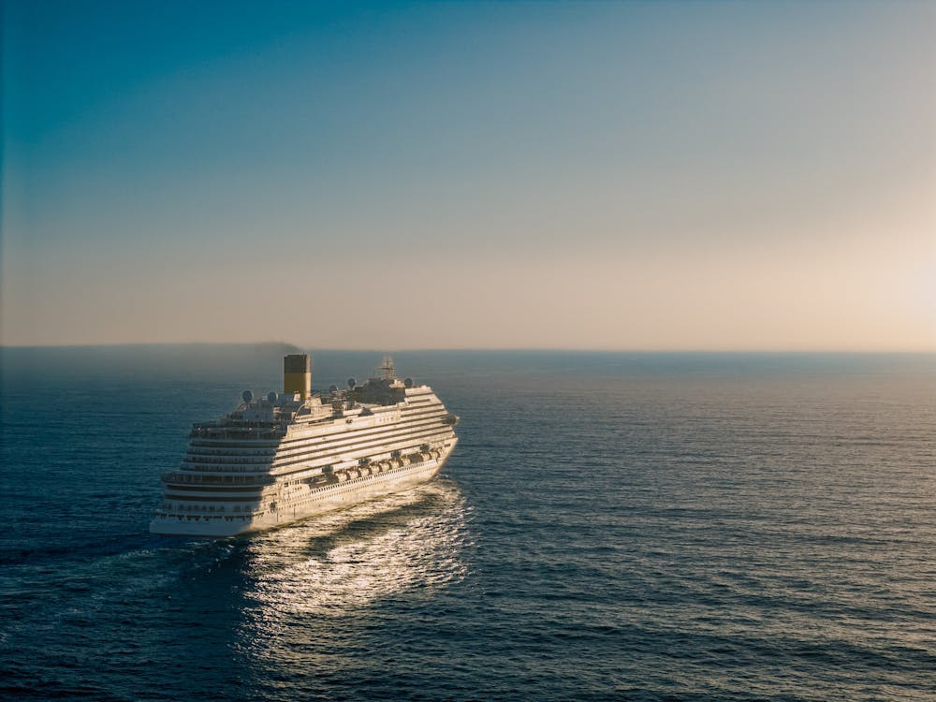
A hantavirus outbreak linked to cruise ship travel has left three people dead and four others confirmed or suspected to be ill. The World Health Organization (WHO) has coordinated a multi-country investigation into where the exposure occurred.
As of May 4, WHO had identified seven cases connected to the Dutch-flagged MV Hondius. This includes two laboratory-confirmed hantavirus infections and five suspected cases. One patient was critically ill, while three people had reported mild symptoms. WHO currently assesses the risk to the global population as low.
The ship was moored off the coast of Cabo Verde. It was carrying 147 passengers and crew from 23 nationalities after departing Ushuaia, Argentina, on April 1, 2026, for a route through remote South Atlantic and Antarctic destinations.
Four Canadians are believed to be on board the MV Hondius.
What Happened on the MV Hondius?
The first known illness began on April 6, when a male passenger developed fever, headache and mild diarrhea. He died five days later after developing respiratory distress.
A female close contact left the ship at Saint Helena on April 24 with gastrointestinal symptoms. She deteriorated during travel to Johannesburg and died on April 26. WHO later confirmed hantavirus infection in that case by PCR and said contact tracing for passengers on the flight had begun.
Get industry leading pharma and biotech news, events and expert insights delivered to your inbox.

Two other passengers later developed pneumonia-like illness. One was medically evacuated to South Africa and remains in intensive care after PCR testing confirmed hantavirus infection. Another passenger died on May 2. Three additional suspected cases reported high fever and/or gastrointestinal symptoms and remained on board for evaluation.
The source has not been confirmed. WHO said the first two cases had traveled in South America, including Argentina, before boarding. CBC News, citing Reuters, reported that WHO officials were working from the assumption that the first infection occurred off the ship, while the operator had not reported a rodent infestation on board.
What Is Hantavirus?
Hantaviruses are rodent-borne viruses. People can become infected after coming into contact with contaminated rodent urine, droppings, saliva or surfaces.
In the Americas, some hantaviruses can lead to hantavirus pulmonary syndrome, a rare but serious illness that affects the lungs.
The early symptoms can include fever, muscle aches and stomach-related symptoms. They usually appear two to four weeks after exposure, but in severe cases, breathing problems can develop quickly and may require hospital or ICU-level care.
There is no specific approved antiviral treatment for hantavirus pulmonary syndrome. Doctors mainly treat the symptoms and support breathing when needed.
Why This Cluster Is Being Watched
Cruise ship outbreaks are more often associated with gastrointestinal illnesses.
The CDC’s Vessel Sanitation Program listed three cruise ship gastrointestinal illness outbreaks in 2026 as of April 23, involving E. coli or norovirus on the Oceania Insignia, Star Princess and Seven Seas Mariner. CDC posts these outbreaks when ships under its jurisdiction have at least 3% of passengers or crew reporting gastrointestinal symptoms to onboard medical staff.
Hantavirus does not usually spread the way many respiratory viruses do, such as flu or COVID-19 viruses. It is mainly linked to rodents, with people becoming infected after contact with contaminated urine, droppings, saliva or surfaces, according to the CDC. Person-to-person spread is uncommon, though WHO says it has been reported with Andes virus in some South American outbreaks.
The ship setting is what makes this outbreak stand out.
Argentina has also reported previous hantavirus outbreaks. In 2019, WHO reported 29 laboratory-confirmed hantavirus pulmonary syndrome cases, including 11 deaths, in an outbreak in Epuyén, Argentina.
Investigators are now looking at both possibilities: a shared exposure before or during travel, and close-contact exposure among passengers.
Next Steps by Health Authorities
Public health authorities in Cabo Verde, the Netherlands, Spain, South Africa and the UK are involved in the response, alongside WHO. Measures include case isolation, medical care, laboratory testing, contact tracing, medical evacuation planning and ship sanitation.
WHO said investigations are continuing to identify the source of exposure, complete laboratory testing and guide public health decisions for passengers and crew still on board. The agency does not recommend travel or trade restrictions based on the information currently available.
FAQs
What makes this cruise outbreak unusual?
Cruise ship outbreaks are usually linked to gastrointestinal illnesses such as norovirus or E. coli. This cluster involves hantavirus, a rare rodent-linked virus that can cause severe respiratory illness.
Does a cruise-linked hantavirus outbreak mean there were rodents on the ship?
Not necessarily. WHO has not confirmed the source of exposure. Investigators are looking at whether infection may have happened before boarding, during travel or through close contact among passengers.
Why are health officials monitoring people for hantavirus even if they are not sick?
Hantavirus symptoms can appear weeks after exposure. That delay means someone may feel fine for a while before developing fever, stomach symptoms or breathing problems.
If you want your company to be featured on Xtalks.com, please email [email protected].














Join or login to leave a comment
JOIN LOGIN