
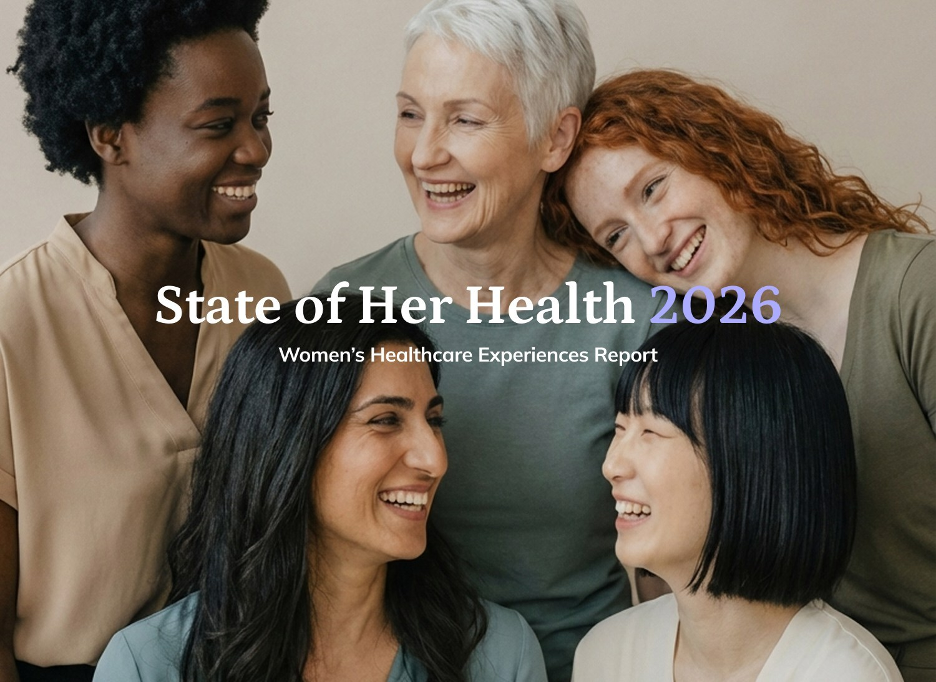
A new report from Teal Health reveals a striking disconnect between modern women’s lives and the way healthcare is delivered in the US.
According to the company’s State of Her Health 2026 report, 75% of women say they have likely skipped a healthcare visit because it was too difficult to fit into their schedules, with more than half (55%) saying they definitely have.
The findings, based on surveys of more than 500 women across the US, highlight a systemic issue: healthcare, as it currently exists, is not designed for the realities of women’s daily lives.
The “Time Tax” Driving Women Away From Care
One of the most significant barriers identified in the report is time.
Nearly one in three women say a routine primary care or OBGYN visit takes more than three hours, factoring in scheduling, travel, waiting and the appointment itself. More than 10% report spending over five hours on a single visit.
And one in four women reported that they don’t even have access to an OBGYN.
This cumulative burden, sometimes referred to as a “time tax,” makes even basic care feel inaccessible.
For many women, especially those balancing careers, caregiving and family responsibilities, taking half a day off for a routine check-up is simply not feasible. As a result, preventive care is often deprioritized.
Get industry leading pharma and biotech news, events and expert insights delivered to your inbox.

The report also underscores a persistent gender dynamic in which women often put others before themselves. Eighty-one percent of women said they regularly prioritize the health needs of loved ones over their own. This trend is particularly pronounced among those in the “sandwich generation,” who are simultaneously caring for children and aging parents.
While this caregiving role is critical, it comes at the cost of missed screenings, delayed diagnoses and worsening health outcomes over time.
Teal Health is a US-based women’s health company focused on making preventive care more accessible through at-home and digital solutions. It develops technologies like its self-collection cervical cancer screening device and pairs them with a telehealth platform designed to fit more seamlessly into women’s daily lives.
Structural Gaps in Access and Delivery
Beyond time constraints, access remains a major issue.
And the data reflects a healthcare system still built around rigid, in-person models that haven’t kept pace with evolving patient needs, according to the report.
This aligns with earlier research showing that women are more likely than men to skip or delay care due to barriers like long wait times, transportation challenges and cost.
Together, these factors create a compounding effect where logistical hurdles, financial strain and prior negative experiences push women further away from the care they need.
A Shift Toward At-Home and Digital Care
Despite these challenges, the report points to a path forward that includes more flexible, patient-centered care models.
The survey found that 87% of women said at-home screening options would help them stay up to date on preventive care, and 95% want providers who are more forward-thinking and innovation-driven.
The report also found shifts in health behaviors, with 60% of women saying their primary sources of health information have changed in the past three to five years. Sources that they’re using for health information and recommendations include social media influencers (41%), athletes (29%) and AI tools (27%).
The findings arrive at a time when women’s health is gaining greater visibility, from menopause and fertility to mental health and chronic disease.
Yet visibility alone is not enough, as healthcare delivery has not adapted to meet the realities of modern life. When accessing care requires hours of time, complex scheduling and logistical coordination, even the most health-conscious individuals may opt out.
As Kara Egan, CEO and Co-Founder of Teal Health, noted, the system “hasn’t evolved to fit into the modern woman’s life.”
“Women juggle work, caregiving and family responsibilities. When healthcare requires hours out of their day, it becomes inaccessible. At Teal Health, we are addressing this for cervical cancer screenings. By giving patients the opportunity to accurately and comfortably screen from home, we are giving them the time back to focus on their many other priorities.”
Related: Teal Wand Approved as First At-Home HPV Test for Cervical Cancer Screening
Until the healthcare system catches up to the needs of modern women, the gap between healthcare availability and actual utilization will continue to widen.
Closing this gap will require more than incremental change. It will demand a fundamental redesign of how care is delivered, one that prioritizes accessibility, flexibility and patient experience.
Teal Health said the report “captures the tension, revealing a clear need for modernization across providers, employers, insurers and the broader healthcare system.”
In January this year, Teal Health announced that its FDA-authorized at-home cervical cancer screening, which features the Teal Wand self-collection device and a supporting telehealth platform, is now available across all 50 US states, marking the first nationwide rollout of its kind.
The expansion aims to improve access and convenience for women by offering a clinically validated alternative to in-clinic screening, aligned with updated national guidelines and growing demand for more flexible care options.















Join or login to leave a comment
JOIN LOGIN