
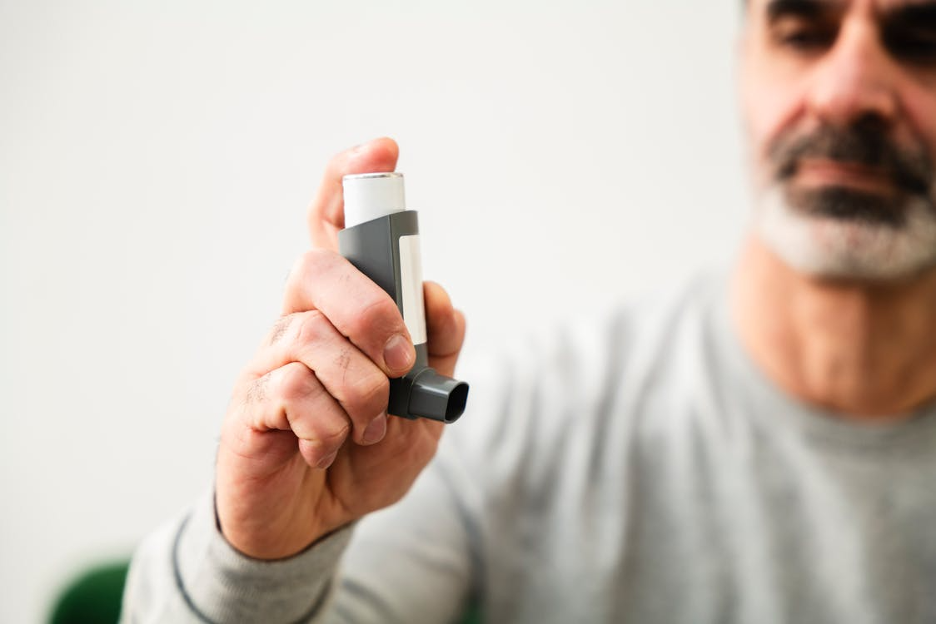
Recent asthma updates span AstraZeneca’s FDA-approved triple therapy, Kinaset Therapeutics’ investigational inhaled pan-JAK inhibitor and AeroDel’s foldable enhancer for pressurized metered-dose inhalers.
In asthma, attacks involve more than airway muscles tightening. Airway inflammation, swelling and mucus can make breathing difficult. Asthma is a chronic disease affecting more than 260 million people worldwide and linked to more than 450,000 deaths each year.
World Asthma Day 2026 falls on May 5. This year’s theme from the Global Initiative for Asthma (GINA) is “Access to anti-inflammatory inhalers for everyone with asthma — still an urgent need.”
Many asthma attacks and deaths are considered preventable, but access gaps remain. Cost and availability are major barriers, especially in low- and middle-income countries, while high costs can also leave patients in high-income countries with poorly controlled asthma despite the availability of effective treatments.
GINA says inhaled corticosteroid-containing medicines are essential for controlling asthma and reducing attacks, including in most preschool children with asthma. Short-acting reliever inhalers such as albuterol or salbutamol can relax tightened airway muscles, but they do not treat the underlying inflammation.
Get industry leading pharma and biotech news, events and expert insights delivered to your inbox.

Why Asthma Risk May Begin Before Symptoms Are Obvious
Asthma is shaped by a mix of genetic, immune, environmental and social factors. Some people are diagnosed after repeated wheezing or breathing problems, but the risk picture often starts earlier.
Viral infections, allergen exposure and pollution can trigger severe or even fatal asthma exacerbations, including in people with few day-to-day symptoms.
The American Lung Association’s State of the Air 2025 report focuses on ozone and fine particle pollution, two widespread outdoor air pollutants with known health harms. The report notes that many millions of people in the US still breathe unhealthy air, despite long-term progress under the Clean Air Act.
Secondhand smoke can also worsen asthma and raise children’s risk of respiratory problems. Researchers at the Children’s Hospital of Philadelphia reported that an automated tobacco treatment system built into routine pediatric care led to a 3.9% absolute increase in smoking cessation among mothers. The CHOP release said more than 40% of children in the US are exposed to secondhand smoke, which can raise the risk of respiratory infections, asthma flare-ups and premature death.
In England, a UK Health Security Agency study presented at ESCMID Global 2026 found that maternal RSV vaccination reduced the risk of RSV-associated infant hospitalization by more than 80% when given at least two weeks before birth. While RSV vaccination does not prevent asthma, severe RSV infection in infancy has been linked to longer-term respiratory problems, including recurrent wheeze or asthma.
Related: Designing Clinical Trials to Address Asthma and COPD Flare-Ups
2026 Asthma Updates: Triple Therapy, Smarter Inhaler Design and New Anti-Inflammatory Drugs
The FDA recently approved AstraZeneca’s Breztri Aerosphere (budesonide/glycopyrrolate/formoterol fumarate) for the treatment of asthma in adults and pediatric patients aged 12 years and older. It’s not a rescue inhaler for sudden breathing problems. Breztri is a single-inhaler triple therapy, meaning it combines three medicine classes that reduce inflammation and help keep airways open. The approval was based on Phase III data showing improved lung function compared with a two-drug inhaled treatment.
Sanofi is also developing lunsekimig, an investigational biologic for moderate-to-severe asthma. Sanofi said the drug met the main goals of a Phase IIb study in adults, including fewer exacerbations and improved lung function compared with placebo. Lunsekimig is designed to block TSLP and IL-13, two inflammation-driving signals involved in asthma and related respiratory diseases. Sanofi said its safety and efficacy have not been evaluated by any regulatory authority.
Kinaset Therapeutics, which secured $103 million in a private funding round in January, is taking an inhaled drug approach. Kinaset plans to advance frevecitinib, an inhaled pan-JAK inhibitor for patients whose asthma remains inadequately controlled on standard inhaled therapies. The dry powder treatment is being advanced through Phase II studies.
Respiratory device-maker AeroDel revealed that nearly 94% of patients make at least one critical error while using inhaler devices, which can lead to drug loss and reduced treatment benefit. In March 2026, the company announced a licensing arrangement with Zydus Lifesciences for the India launch of Aerolife Mini, a foldable, always-attached enhancer for pressurized metered-dose inhalers.
A common misconception is that having an inhaler is the same as getting the full benefit from it. For many patients, the right medicine also has to be affordable, available and used correctly so more of the treatment reaches the lungs.
FAQs
What is the difference between a rescue inhaler and a controller inhaler?
A rescue inhaler is used for quick relief when symptoms suddenly worsen. A controller inhaler is used regularly to reduce airway inflammation and help prevent symptoms and attacks over time.
Can mild asthma still be serious?
Yes. Even people with mild or infrequent symptoms can have serious asthma attacks. That is why asthma plans often focus on both day-to-day symptom control and reducing future risk.
Why does inhaler technique matter?
If an inhaler is not used correctly, less medicine may reach the lungs. That can reduce the treatment benefit, even when the right medication has been prescribed.
If you want your company to be featured on Xtalks.com, please email [email protected].














Join or login to leave a comment
JOIN LOGIN