

The data revolution has arrived in drug development. From trial design to patient access, the pharma industry is being remade by a wave of real-world evidence (RWE) and AI-driven insights.
To navigate this shift and deliver true innovation, the medical organization has become the indispensable department, linking R&D to the patient community and the entire healthcare ecosystem.

Chief Medical Officer and Head of Global Medical
Takeda
Awny Farajallah, MD, FACP, Chief Medical Officer and Head of Global Medical at Takeda, embraces this role, focusing on using scientific evidence and technology to improve patient access and outcomes.
In a recent interview with Xtalks, Dr. Farajallah outlined Takeda’s strategy, marking his first year in the role, which centers on three pillars: robust scientific evidence generation, elevating organizational capabilities and ensuring early patient access to medicines.
“I think of the medical organization as a very externally focused organization, focusing on patient needs as well as how we can assist the entire health ecosystem, not just the healthcare professionals in delivering our medicines and the science to patients,” Dr. Farajallah said.
This patient-centric approach emphasizes the company’s efforts across RWE, drug development and global market access.
Redefining Clinical Trial Design with RWE
RWE is transforming how clinical trials are conceived and executed, moving beyond its traditional focus on regulatory support. At Takeda, RWE is a vital tool for ensuring trials are representative and rigorous.
Dr. Farajallah explained that clinical trials often rely on extensive exclusion criteria to create a more homogenous population to answer a specific question. However, this can limit the generalizability of the results. He described how RWE can counter this by providing critical context:
- Understanding treatment patterns: RWE can clarify whether the planned comparator arm in a randomized controlled trial (RCT) truly reflects the current standard of care and the typical dose/duration used in real-world clinical practice.
- Planning the comparator arm: In oncology, for example, older chemotherapies used as comparators may perform better in the clinic today than they did in their initial trials because physicians have learned better ways to manage side effects, allowing patients to stay on therapy longer. RWE helps ensure the comparator arm’s duration of therapy is appropriately informed by current practice.
- Refining eligibility: By analyzing real-world data, Takeda can identify patient populations that were previously excluded but have similar treatment outcomes, thus minimizing exclusion criteria and making trials more inclusive and representative.
This data-driven insight is especially impactful in rare diseases. Dr. Farajallah mentioned how in cases like rare genetic diseases or rare tumor types, RWE could be used to construct a synthetic control arm for comparison, eliminating the need to randomize patients or recruit for years in trials with small patient pools.
Uncovering Unmet Needs in Underserved Populations
Beyond informing trial design, RWE is key in identifying and addressing unmet patient needs, particularly in historically underrepresented or diverse populations.
By systematically examining electronic medical records (EMRs) and health registries, Takeda can access data on patients who may not typically be enrolled in traditional clinical trials, including minority populations, patients with multiple comorbidities and those facing healthcare access or socioeconomic disparities. This allows the company to:
- Identify patterns of disease progression
- Determine if the patients are receiving substandard care
- Devise targeted educational solutions or work with health systems to standardize treatment
In oncology, Dr. Farajallah pointed to multiple myeloma, a disease with higher incidence in the African-American population in the US but historically low trial representation. Takeda responded by launching a global RWE study specifically to examine the medicine’s profile across the entire patient population, a direct effort to address this disparity and encourage better representation.
Read Xtalks Clinical Edge™ Issue 7
Xtalks Clinical Edge is a magazine for clinical research professionals and all who want to be informed about the latest trends and happenings in clinical trials. This magazine immerses you in a world where industry leaders, patient advocates and top researchers converge to provide the most insightful perspectives on clinical trials.

Integrating Patient Perspectives: Examples in Narcolepsy Type 1 and Polycythemia Vera
Takeda’s R&D model emphasizes that science cannot advance alone. According to Dr. Farajallah, it needs strong partnerships with patient advocacy groups, external researchers and subject matter experts.
He offered two distinct examples of how this partnership model is advancing treatments for conditions with limited options:
- Narcolepsy type 1 (NT1): Takeda collaborated directly with the patient community and researchers to develop a completely specific patient-reported outcomes (PRO) tool for NT1. This tool was validated in Phase II and successfully used in the Phase III clinical trial presented at the World Sleep Congress, demonstrating significantly improved clinical outcomes.
- Polycythemia vera (PV): In the Phase III VERIFY study presented at ASCO, PROs and their impact on quality of life were a key endpoint. (Additionally, Takeda shared new RWE insights at ASH on PV treatment and disease burden among those with high- and low-risk PV.)
“The role of the patient in endpoints of the clinical trial is going to be seen more and more because that’s what really impacts lives,” Dr. Farajallah noted. “The drug has to work, but it has to work and the patient has to feel good while they are taking the drug, so their quality of life is really important.”
Improving Global Access Through Partnerships
Improving global access requires more than simply delivering medicine; it demands building robust infrastructure and knowledge.
Dr. Farajallah shared how Takeda engages with governments and non-government organizations (NGOs) to elevate clinical standards and build diagnostic capabilities, particularly for underserved populations.
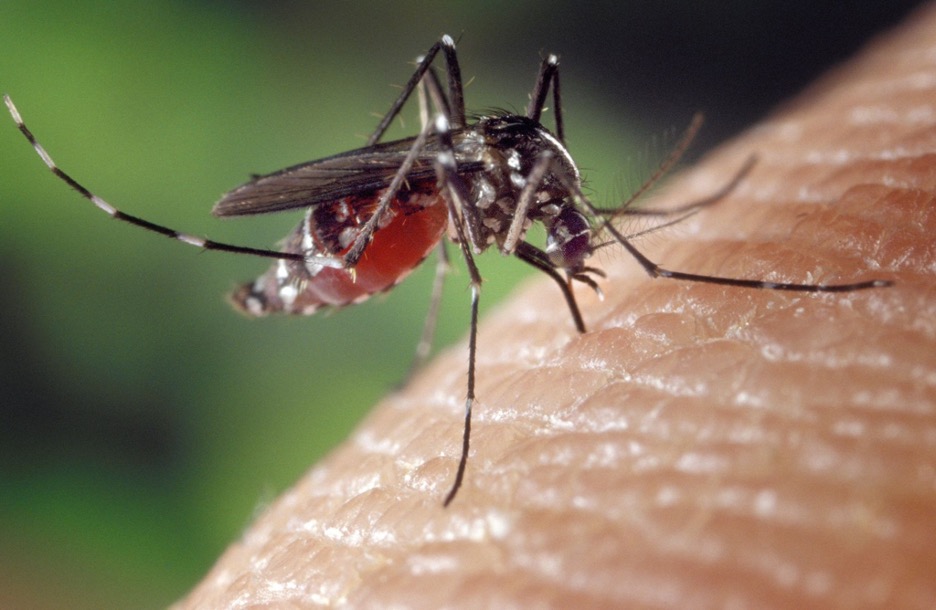
A key example is its dengue vaccine strategy, an essential tool in areas devastated by the disease. Achieving mass adoption was made possible through partnering with governments on public health and immunization campaigns. This collaboration contributed to a need for increased supply, which was supported by Takeda’s partnership with another company to manufacture vaccine doses and meet global demand.
RWE is a critical component for speeding access in all markets, including emerging markets. Payers and regulators require data to determine value. Dr. Farajallah explained that RWE helps demonstrate this value beyond clinical efficacy, often by focusing on economic outcomes.
He mentioned that payers want to know: Am I keeping patients out of the hospital? Am I getting them back to work? Are they becoming more economically independent?
RWE studies are the way to package clinical and economic information to support the value proposition of a medicine for negotiations.
Human-Focused AI: A Tool for Efficiency and Insight
Dr. Farajallah noted that Takeda views AI as an essential “additional tool in our toolbox,” not a human replacement, focusing on applications that enhance efficiency and deliver actionable, human-centered insights.
He outlined distinct applications where Takeda is leveraging AI to transform data into action for various stakeholders:
- For clinicians and stakeholders: Takeda layers AI tools over gathered market insights to understand trends, physician needs and quickly respond with the right tools or information.
- For patients: AI tools can track disease progression, but Dr. Farajallah cautions that the industry must balance its benefits with the significant downside of potential misuse as a diagnostic tool by patients, which can be dangerous and lead to patients not following prescribed treatments.
- For policymakers: AI helps gather and analyze extensive information on healthcare trends, population outcomes and disease profiles, providing the data necessary to inform new policies.
- For drug development: AI is used to speed the development cycle, such as applying it to manufacturing quality lines to quickly detect and fix out-of-spec products. In the discovery space, Takeda is using AI tools and partnerships to accelerate drug discovery and optimize the design of antibodies, for instance.
“We are actually on the brink of a new era for how the medical organizations are going to evolve, including not just in technology, but also what’s the value of real-world evidence,” Dr. Farajallah concluded.
This new era is defined by the judicious use of technology and data to maximize value for all stakeholders.










Join or login to leave a comment
JOIN LOGIN