
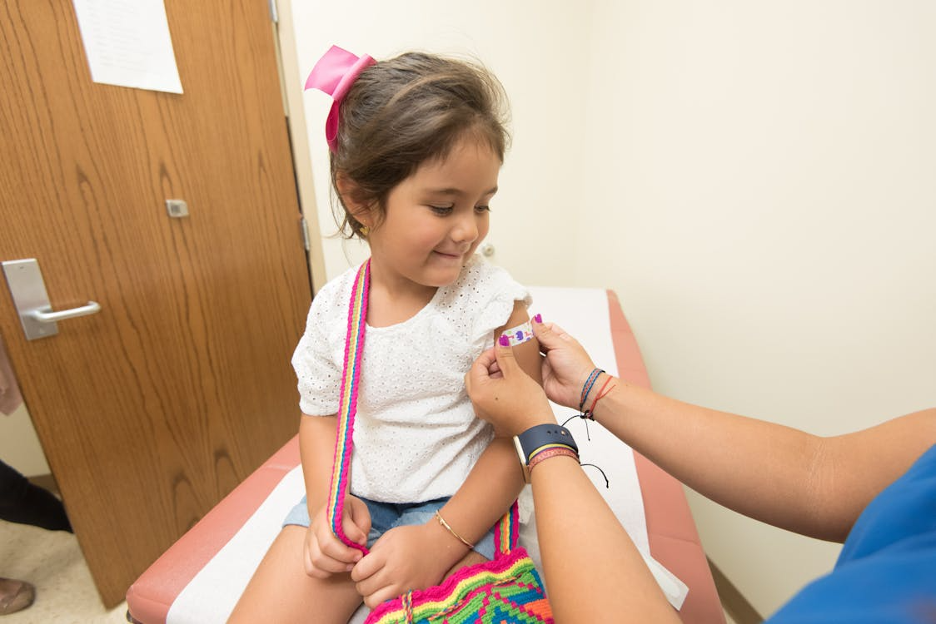
World Immunization Week, observed each year from April 24 to 30, highlights vaccines as one of public health’s most effective tools for preventing infectious diseases. The theme of World Immunization Week 2026, “For every generation, vaccines work,” reflects the role immunization plays across the life course, from infancy and childhood to adolescence, adulthood and older age.
According to the Immunization Agenda 2030 Mid-Term Review, over the last five decades, vaccines have saved more than 150 million lives and improved infant survival by 40% worldwide. Vaccines against 14 common pathogens saved 154 million lives over five decades, including 146 million children under the age of five. The review also states that vaccination saves more than 4 million lives each year and estimates that immunization efforts from 2021 to 2024 have averted 17 million deaths.

What Happens When Vaccine Coverage Declines?
While vaccines remain effective, coverage, public trust, funding and access vary widely across countries and communities. The IA2030 review notes that the global immunization landscape is becoming more complex, shaped by conflict, constrained funding, vaccine hesitancy and growing pressure on health systems.
Measles is one of the clearest examples of what happens when coverage declines. Measles cases and outbreaks are occurring in every region of the world, with an estimated 10.3 million infections reported in 2023. In the US, the increase in cases has become more pronounced. As of April 9, 2026, the CDC had recorded 1,714 confirmed measles cases, with 94% linked to outbreaks. In all of 2025, the US reported 2,287 confirmed cases across 48 outbreaks, up from 285 cases and 16 outbreaks in 2024.
The IA2030 review indicates that global first-dose measles vaccine coverage reached 84% in 2024. While this reflects progress, it remains below the 95% coverage generally required to prevent outbreaks. The review also reports that 20.6 million children worldwide had not received a first measles dose in 2024.
The CDC notes that MMR coverage among kindergarteners in the US declined from 95.2% in the 2019 to 2020 school year to 92.5% in 2024 to 2025, leaving about 286,000 kindergartners at risk.
The US policy environment is also becoming more contested. The Advisory Committee on Immunization Practices (ACIP) advises the CDC on vaccine use in the US, including the recommended schedule followed by healthcare providers and coverage decisions.
Recent changes to ACIP’s charter have drawn attention because they expand the committee’s scope to include cumulative vaccine exposure, vaccine ingredients and newer platforms such as mRNA vaccines. Whether these changes lead to material policy shifts remains unclear, but they come at a time when vaccine policy is already under heightened scrutiny.
Conflict and Health System Disruption Shape Access
The situation is more severe in conflict-affected settings. In Sudan, UNICEF and WHO reported in 2025 that DTP1 coverage fell from 94% in 2022 to 48% in 2024, the lowest level since 1987. More than half of infants due for their first dose missed it. In the Middle East and North Africa region, the number of zero-dose children increased from 800,000 in 2019 to 1.8 million in 2024.
Recent WHO updates indicate that about 37% of health facilities in Sudan are now non-functional, with outbreaks of measles, polio and cholera reported. At the same time, response efforts continue. WHO-supported vaccination campaigns have reached tens of millions of people, including more than 46 million children and adults through cholera, polio, measles and rubella immunization activities.
Vaccine Development and Response Efforts Continue
This is also a time to recognize what continues to work. Global infant coverage improved modestly in 2024, with 89% receiving at least one DTP dose and 85% completing all three doses.
Despite pressures, global vaccine research and regulatory activity continue to advance. In March 2026, Pfizer and Valneva announced that their investigational Lyme disease vaccine candidate, PF-07307405, also known as LB6V, demonstrated more than 70% efficacy in the Phase III VALOR trial among individuals aged five and older. The candidate remains investigational, but the results provide late-stage efficacy data in a vaccine area with no currently available human vaccine.
Also, Meiji Seika Pharma announced an investment in Centivax, whose universal influenza vaccine candidate, Centi-Flu 01, is in Phase I testing. The program is designed to target conserved regions of the influenza virus in an effort to provide broader and more durable protection across strains.
There have also been broader operational and regulatory developments. In February 2026, the WHO announced the prequalification of an additional novel oral polio vaccine type 2 to help strengthen the global supply for outbreak response. In early April, Bangladesh launched an emergency measles-rubella campaign with UNICEF, WHO and Gavi to protect more than 1.2 million children in 30 upazilas before expanding to additional urban areas and then nationwide.
In 2026, Gavi also said its partnership with Zipline would expand drone delivery in Kaduna State, Nigeria, to help reach zero-dose communities and improve last-mile access in harder-to-reach areas.
FAQs
What is World Immunization Week, and why does it matter?
World Immunization Week is a global campaign that highlights the role of vaccines in preventing disease and protecting people across all age groups.
Are new vaccines still being developed?
Yes, several vaccine candidates are in clinical trials, and new products continue to be approved to address both routine and emerging diseases.
If you want your company to be featured on Xtalks.com, please email [email protected].













Join or login to leave a comment
JOIN LOGIN