

Rivus Pharmaceuticals CEO Jorge Bartolome discusses the evolving MASH treatment landscape, the challenges of long-term clinical trials and why non-invasive testing and body composition are becoming increasingly important.
Metabolic dysfunction-associated steatohepatitis (MASH) is a progressive liver disease driven by fat accumulation, inflammation and fibrosis. It can progress to cirrhosis, liver failure, liver cancer and the need for liver transplantation, yet many people may have few noticeable symptoms until the disease becomes more advanced.
The FDA estimates that approximately 6% of US adults, or 14.9 million people, have MASH, with prevalence continuing to increase.
At the same time, the MASH treatment landscape is changing. New therapies are providing options for patients while advances in non-invasive testing are creating opportunities to identify disease earlier. For drug developers, these changes are also raising questions about clinical trial design, long-term outcomes and what meaningful weight loss should look like in a metabolic disease.

CEO
Rivus Pharmaceuticals
In this Xtalks Clinical Edge feature, Jorge Bartolome, CEO of Rivus Pharmaceuticals discussed how researchers are approaching these questions and what the evolving MASH landscape could mean for future clinical development.
Treating MASH Before Disease Progresses
MASH develops when excess fat in the liver is accompanied by inflammation and liver injury. Over time, this can contribute to fibrosis, or scarring, which can progress toward cirrhosis and other serious outcomes.
The disease is also closely connected with broader metabolic health. Obesity, type 2 diabetes and cardiovascular disease are common considerations in patients with MASH, making treatment more complex than targeting the liver in isolation.

Get industry leading pharma and biotech news, events and expert insights delivered to your inbox.
For MASH treatment, this means intervening before patients reach advanced disease.
“It’s really, really important that we start to treat MASH early,” Jorge said.
After years without an FDA-approved MASH-specific pharmacological treatment, the field has entered a different stage. Jorge mentioned that there are now two treatment options available. The expanding range of mechanisms under development is an opportunity to address different aspects and stages of disease, from metabolic dysfunction and liver fat to inflammation and fibrosis, according to Jorge
— Jorge Bartolome, CEO, Rivus Pharmaceuticals
Why MASH Clinical Trials Require a Long-Term View
MASH progresses slowly, meaning researchers need ways to determine whether a therapy is working without waiting years for outcomes such as cirrhosis, liver transplantation or death.
“In MASH, it’s really, really important that we design robust clinical trials that can allow us to demonstrate the impact that therapeutics can have on MASH endpoints,” Jorge said.
For precirrhotic MASH with liver fibrosis, the FDA recognizes histopathologic findings as surrogate endpoints that can support accelerated approval. These include resolution of steatohepatitis without worsening fibrosis, improvement in fibrosis without worsening steatohepatitis or both.
These endpoints allow researchers to evaluate disease modification earlier, but long-term studies remain important for confirming whether those changes translate into meaningful clinical outcomes.
Jorge explained that this can require large global Phase III programs involving thousands of patients. Participants may initially be followed for histological changes and then remain in studies for several years to evaluate outcomes such as cirrhosis, transplantation, cardiovascular events and mortality.
— Jorge Bartolome, CEO, Rivus Pharmaceuticals
Finding the Right Patients for MASH Treatment
MASH exists across a spectrum of fibrosis. This complicates patient-selection.
Jorge discussed disease progression from patients with relatively early disease through F2 and F3 fibrosis and ultimately F4 cirrhosis. Different therapeutic strategies may therefore be appropriate at different points along that continuum.
“You’re developing therapeutics that are able to address that early progression of fat and accumulation in the liver that then translates into fibrosis,” he explained, while other therapies are being investigated for patients who have already progressed to later-stage disease.
Identifying those patients has historically relied heavily on liver biopsy in clinical development. Biopsy can provide information about steatohepatitis and fibrosis but is invasive and requires expert interpretation.
Moving Toward Non-Invasive MASH Assessment
Non-invasive testing is one of the most significant areas of change in MASH research.
Blood-based measures, ultrasound-based approaches such as vibration-controlled transient elastography and MRI can provide information about liver health without requiring tissue collection.
“It’s very exciting that we’re more recently starting to adopt in the community and with physicians around the US and around the world the use of non-invasive techniques,” Jorge said.
Replacing repeated liver biopsies with validated non-invasive approaches could potentially support trial recruitment, facilitate more representative study populations and accelerate drug development.
Looking Beyond Weight Loss in MASH Treatment
The close relationship between MASH and obesity has also made weight loss an important part of the treatment discussion. However, Jorge argues that the number on the scale does not provide the complete picture.
“Weight loss is a really important part of the treatment of MASH, but just looking at pounds on the scale does not really provide the complete picture around metabolic health,” he said.
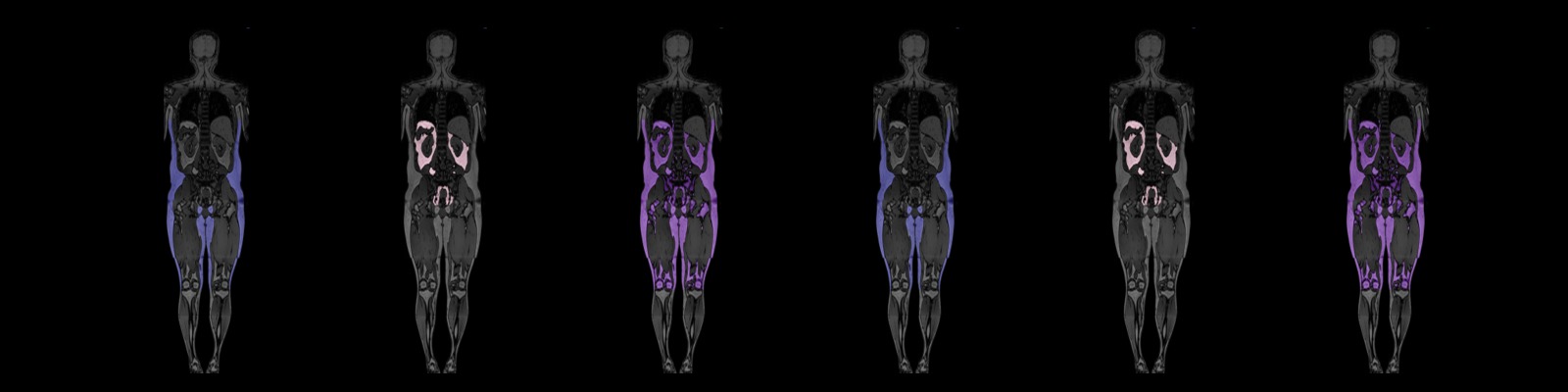
Body composition can reveal where weight loss is coming from, including reductions in fat, particularly visceral and liver fat, which can be relevant to metabolic health. At the same time, researchers are increasingly examining whether weight-loss interventions preserve lean mass.
That’s because lean mass is not synonymous with skeletal muscle and reductions in lean mass can include several tissues and body-water compartments. Still, the findings reinforce the importance of looking beyond total kilograms lost when evaluating metabolic interventions.
— Jorge Bartolome, CEO, Rivus Pharmaceuticals
Could Combination Treatment Shape the Future of MASH?
MASH involves multiple disease mechanisms and may therefore require a combination of approaches. A patient may have obesity and systemic metabolic dysfunction alongside liver inflammation and fibrosis. Therapies addressing different components of that biology could therefore potentially play complementary roles.
GLP-1 receptor agonists, thyroid hormone receptor beta agonists and other mechanisms are examples of an increasingly diverse therapeutic pipeline.
The expanding landscape may create opportunities to match treatment strategies more closely to disease stage, metabolic characteristics and therapeutic goals.
“Many of those therapeutics are going to be able to be used in combination with GLP-1,” added Jorge.
The Next Questions for MASH Treatment
So how can we intervene early enough to alter the underlying progression of MASH while also supporting overall metabolic health?
“I think [what is] really important for me is being able to address MASH early, that underlying progression of disease and being able to develop interventions that not just reduce fat and inflammation, but that change the underlying pathophysiology of MASH,” Jorge said.
Researchers need to understand whether reductions in liver fat and inflammation translate into fibrosis improvement, whether early surrogate endpoints predict long-term clinical benefit and whether metabolic interventions improve body composition in ways that can be sustained over time.
Progress in non-invasive testing could also change how those questions are studied.
For patients, it’s about identifying disease earlier, preventing progression and providing treatment before irreversible liver damage occurs.
As the MASH treatment landscape expands, more targeted therapies, better patient identification, advances in non-invasive measures and a deeper understanding of metabolic health could collectively shape the next generation of MASH clinical development.














Join or login to leave a comment
JOIN LOGIN