
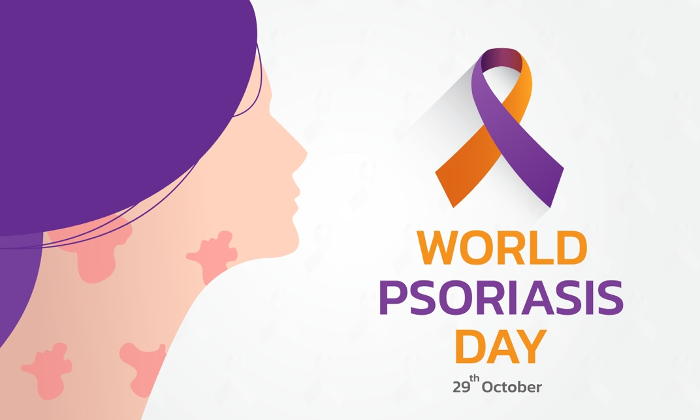
World Psoriasis Day 2026 highlights the challenges faced by young people living with psoriasis and explores advances in targeted treatments, disease awareness and access to care.
Every year on October 29, World Psoriasis Day raises awareness of psoriasis and psoriatic arthritis, chronic inflammatory diseases affecting millions worldwide.
According to the Global Psoriasis Atlas, approximately 102 million people worldwide are estimated to have psoriasis based on self-reported data.
Led by the International Federation of Psoriasis Associations (IFPA), World Psoriasis Day 2026 focuses on young people under the theme “Look Beyond My Skin.” The campaign encourages greater understanding of the physical, emotional and social challenges associated with psoriatic disease.

Get industry leading pharma and biotech news, events and expert insights delivered to your inbox.
What Is Psoriasis and How Does It Affect the Body?
Psoriasis is a chronic, immune-mediated inflammatory disease that accelerates skin cell turnover, causing thickened, scaly patches that may itch, crack or become painful.
The condition is associated with several other health complications, including psoriatic arthritis, cardiovascular disease, metabolic syndrome and mental health disorders.
According to the American Academy of Dermatology (AAD), managing psoriasis also means addressing the health conditions associated with it.
World Psoriasis Day 2026 Focuses on Young People
Psoriasis can develop at any age, but its effects are more challenging during childhood and adolescence.
According to IFPA, approximately one in three people with psoriasis experience their first symptoms during this time.
Visible skin symptoms can contribute to stigma, social isolation and reduced confidence, particularly during formative years.
The 2026 campaign encourages young people to share their experiences so communities can build greater acceptance and understanding of psoriatic disease.
Advances in Psoriasis Treatment and Targeted Therapies
Treatment options for psoriasis have expanded considerably, offering more personalized approaches to disease management.
Traditional treatments include topical corticosteroids, vitamin D analogues, phototherapy and systemic medications.
For moderate-to-severe disease, biologic therapies have transformed treatment by targeting inflammatory pathways involved in psoriasis, including interleukin-17 (IL-17) and interleukin-23 (IL-23).
Newer oral therapies targeting immune signalling pathways, including tyrosine kinase 2 (TYK2), have further expanded treatment options.
The AAD highlights that these therapies can improve symptom control, although treatment selection depends on disease severity, associated conditions and individual patient needs.
Alongside this, research is opening new possibilities for care. In September, new Phase III results showed that Takeda’s zasocitinib, an investigational once-daily pill, achieved complete skin clearance in 36.5% of people with moderate-to-severe plaque psoriasis after 16 weeks. In comparison, 13.9% of those taking the approved oral treatment deucravacitinib reached the same result. People taking zasocitinib also saw improvements in itching and quality of life.
Johnson & Johnson also reported positive results from its Phase IV STAR trial of guselkumab, including improvements in spinal pain, stiffness and inflammation seen on MRI scans, with more detailed results still to come.
And an October 2026 study in Arthritis Research & Therapy suggests that molecules in the blood might one day help predict how people with psoriatic arthritis respond to different treatments. The study included only 80 patients, but it offers an early glimpse of more personalized care.
More Than a Skin Condition
For many young people, living with a visible condition can involve unwanted stares, hurtful comments, bullying and feeling left out. These experiences can wear down confidence, strain relationships and affect mental well-being, especially during the years when young people are making friends, studying and planning their futures.
Early diagnosis and treatment can also help prevent lasting joint damage in people with psoriatic arthritis. Improving access to specialist care, effective treatments and psychological support is equally important.
By increasing awareness, supporting earlier diagnosis and advancing research into targeted treatments, healthcare professionals, researchers and patient advocates can help improve outcomes and quality of life for people living with psoriatic disease.













Join or login to leave a comment
JOIN LOGIN